
Cyprus basks in over 300 days of sunshine per year, making it one of the most reliably sunny destinations in the Mediterranean. But choosing the best time to visit Cyprus depends entirely on what you want to do — whether that's lounging on golden beaches, exploring ancient ruins, hiking through fragrant pine forests, or sipping local Commandaria wine at a hilltop winery. This month-by-month guide breaks down exactly what to expect throughout the year so you can plan the perfect trip.
Overview: Cyprus Weather at a Glance

Cyprus has a classic Mediterranean climate: hot, dry summers and mild, wet winters. The island sits at the eastern end of the Mediterranean, which means summer temperatures frequently exceed 35°C (95°F) in July and August, while winters along the coast remain pleasantly mild — rarely dropping below 10°C (50°F). The Troodos Mountains are the exception, receiving snow in winter and offering refreshing cool air in summer.
- Peak Season: July to October — the four busiest months on official arrivals, hot and crowded
- Shoulder Season: April to June — warm, and genuinely quieter than high summer
- Off-Season: November to March — quietest and cheapest, ideal for culture and hiking
Month-by-Month Breakdown

January: Cool, Quiet, and Affordable
January is the coldest month in Cyprus, though "cold" is relative — coastal towns like Paphos and Limassol typically see daytime temperatures around 15–17°C (59–63°F). Rain is possible, particularly in the first half of the month, but sunny spells are common.
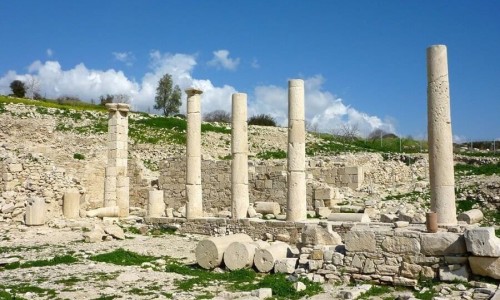
January is excellent for sightseeing without the crowds. Paphos Archaeological Park, Ancient Kourion, and the Troodos Byzantine churches are virtually tourist-free. Budget travellers benefit from rock-bottom hotel prices, often 50–60% cheaper than peak summer rates. The Troodos Mountains may have snow, making Cyprus one of the few places where you can ski in the morning and walk along a sea promenade in the afternoon.
Best for: Culture, history, hiking in the mountains, budget travel
Avoid if: You want guaranteed beach weather
February: Almond Blossoms and Carnival Season
February brings one of Cyprus's most beautiful natural spectacles: the almond trees in the Troodos foothills burst into delicate white and pink blossom. Villages like Agros and the Commandaria wine region are breathtaking during this short flowering season. Temperatures begin to climb slightly, averaging 16–18°C on the coast.
February is also the month of the famous Limassol Carnival — one of the largest carnivals in the eastern Mediterranean, with colourful parades, costumes, and street parties running for ten days. If you're visiting Limassol, this is an unmissable experience.
Best for: Carnival, almond blossom, photography, culture
Avoid if: You're expecting summer beach weather
March: Spring Arrives and Wildflowers Bloom
March is a transitional month when Cyprus truly begins to wake up. Wildflowers — anemones, poppies, orchids, and cyclamens — carpet the hills and roadsides, creating a riot of colour that photographers adore. Temperatures rise to a comfortable 18–20°C on the coast, making outdoor activities very pleasant.
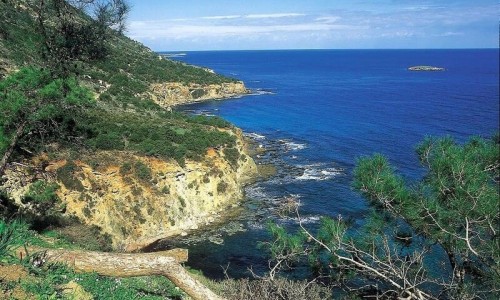
The Akamas Peninsula and Cape Greco National Park are especially beautiful at this time of year, with coastal paths lined with spring flowers. Hiking trails throughout the Troodos are accessible as snow melts at lower altitudes. Easter preparations begin in late March, bringing a festive atmosphere to villages and towns.
Best for: Wildflower season, hiking, cycling, outdoor activities
Avoid if: You want warm enough weather for swimming (the sea is still around 17°C)
April: The Best Month to Visit Cyprus
Many experienced travellers consider April the single best month to visit Cyprus. Temperatures are ideal — 22–25°C on the coast — the landscape is lush and green, crowds are manageable, and prices have not yet hit summer peaks. The sea temperature rises to around 19–20°C, making swimming possible for the more adventurous.
Easter (which falls in April most years on the Orthodox calendar) is the most important celebration in Cyprus. Villages hold candlelit midnight services, traditional foods like flaounes (cheese pastries) appear in every bakery, and the atmosphere is warm and welcoming. Experiencing Easter in a Cypriot village is one of the most authentic cultural experiences the island offers.
April is also ideal for day trips: the drive from Paphos to the Akamas Peninsula, the scenic route through wine villages above Limassol, or the winding mountain road up to Troodos village — all are at their most rewarding this month.
Best for: Overall best balance of weather, crowds, cost, and nature
Avoid if: Nothing — April is excellent for almost every type of traveller
May: Warm Seas and Long Days
May extends the shoulder season magic. Sea temperatures reach 22–23°C — warm enough for most swimmers — while air temperatures hover around 26–28°C. Days are long, skies are reliably blue, and the tourist rush has not fully arrived yet.
Beaches remain uncrowded by Mediterranean standards. Restaurants and attractions are fully open without the frantic pace of July and August. May is particularly good for water sports and snorkelling — visibility in the sea is excellent, and spots around Cape Greco and the Akamas offer clear, calm conditions.
Best for: Beach, snorkelling, water sports, families
Avoid if: You are on a very tight budget (prices start rising in May)
June: Summer Begins
June marks the start of Cyprus's peak season. Temperatures climb to 30–33°C, sea temperatures reach 25°C, and the island buzzes with activity. Paphos, Limassol, Ayia Napa, and Protaras fill with visitors from across Europe and the Middle East.
The beaches are at their most inviting, and the long summer evenings — with sunset often around 8:30pm — allow for relaxed alfresco dining. June is still slightly less crowded than July and August and can offer better value. The Limassol Wine Festival typically takes place in early summer, celebrating Cyprus's rich winemaking heritage.
Best for: Beach holidays, summer atmosphere, water sports
Avoid if: You are sensitive to heat or crowds
July and August: Peak Summer — Hot and Lively
July and August are the hottest months, with temperatures routinely reaching 36–40°C inland and around 33–35°C on the coast. This is the height of the tourist season: beaches are busy, accommodation prices peak, and booking in advance is essential.
That said, July and August offer the quintessential Cyprus beach holiday experience. The sea is warm (26–28°C), nightlife in Ayia Napa is legendary, and the towns are alive with outdoor events, beach bars, and waterparks. Families with school-aged children often have no choice but to travel in these months — and Cyprus remains a superb family destination despite the heat.
To beat the heat: visit archaeological sites in the early morning (before 10am), plan beach time from late afternoon, and retreat to the Troodos Mountains for cooler day trips — the mountain resort of Platres sits at 1,100 metres and is typically 10°C cooler than the coast.
Best for: Beach holidays, nightlife, watersports, families in school holidays
Avoid if: You dislike heat or crowds, or are interested primarily in sightseeing and hiking
September: The Locals' Favourite Month
Ask many Cypriots when they prefer tourists to visit, and they will often say September. The heat begins to moderate (28–31°C) and the sea stays perfectly warm (26°C) well into the month. The crowds, however, thin far less than most people expect: official arrivals put September only a few per cent below August. Prices drop from their August peak, and restaurants and hotels are easier to book.
September is perfect for combining beach time with sightseeing and hiking. The Akamas Peninsula hiking trails, previously sweltering, become manageable again. Grape harvest season begins in the Troodos wine villages, and some wineries offer harvest experiences. The Limassol Wine Festival traditionally takes place in September, offering free wine tastings and cultural performances.
Best for: All-round holiday — beach, culture, food, wine
Avoid if: Nothing — September is excellent value with great weather
October: Golden Light and Perfect Temperatures
October is another outstanding month in Cyprus. Temperatures settle at 25–28°C, sea temperatures remain above 24°C through most of the month, and the golden autumnal light makes the island's landscapes particularly photogenic. Prices continue to fall, though visitor numbers stay high — October is still one of the four busiest months of the year.
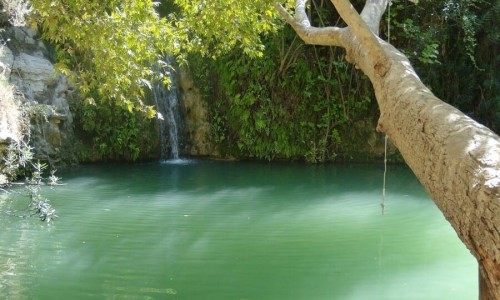
Hiking and cycling come into their own in October. The Troodos Mountain trails — the Artemis Trail, Atalante Trail, and Caledonia Waterfall route — are at their best. The wine harvest continues in the mountain villages, and olive picking begins in the foothills. October is ideal if you want warm weather and lower prices. If it is genuinely empty beaches you are after, April, May and November are the quieter choices.
Best for: Hiking, cycling, photography, wine tourism
Avoid if: You specifically want guaranteed beach weather later in the month
November: Quiet, Green, and Underrated
November sees the first significant rainfall of the autumn, which transforms the parched summer landscape back to green. Temperatures drop to 20–23°C — still perfectly comfortable for sightseeing and walking. Most beach facilities close, but the sea remains swimmable for the determined early in the month.
November is ideal for travellers interested in culture and history — archaeological sites are uncrowded, museums are accessible, and local life takes centre stage. Restaurant prices return to local levels, and the island feels authentically Cypriot rather than tourist-focused.
Best for: Culture, history, budget travel, authenticity
Avoid if: You want beach and pool time
December: Festive Cyprus
December in Cyprus is mild on the coast (15–18°C) with increasing rainfall. Christmas is celebrated with genuine warmth, particularly in village churches and town squares where decorations and nativity scenes create a festive atmosphere. Limassol's Christmas Wonderland festival brings lights and events to the old town.
The Troodos Mountains can have snow by mid-December, and skiing at Mount Olympos — the highest point in Cyprus at 1,952 metres — is possible from December through February. December offers the lowest accommodation prices of the year and empty archaeological sites.
Best for: Festive atmosphere, skiing, budget travel, culture
Avoid if: You need warm beach weather
Quick Reference: Best Time by Activity
| Activity | Best Months |
|---|---|
| Beach and Swimming | June, July, August, September |
| Hiking and Cycling | March, April, May, October |
| Cultural Sightseeing | October to April |
| Wine Tourism | September, October |
| Wildflowers and Nature | March, April |
| Skiing (Troodos) | January, February, March |
| Budget Travel | November to March |
| Family Holidays | May, June, September |
| Fewest Crowds | October to April |
Practical Tips for Planning Your Cyprus Trip
Book early for summer: July and August are Cyprus's busiest months. Accommodation in popular areas like Paphos, Protaras, and Ayia Napa can sell out months in advance. Book at least 3–4 months ahead for peak summer dates.
Consider inland alternatives: When the coast is packed and sweltering in July and August, the Troodos Mountain villages of Kakopetria, Platres, and Agros offer cool temperatures, stone-built guesthouses, and a completely different pace of life.
Shoulder season savings: Travelling in May or October typically saves 30–40% on accommodation compared to peak season, while still offering excellent weather and warm seas.
Public holidays matter: Cyprus Orthodox Easter (a moveable feast, usually in April) effectively slows down many businesses for several days. Plan museum visits and travel logistics accordingly.
Airport choice: Cyprus has two international airports — Larnaca (LCA) in the east and Paphos (PFO) in the west. Choose based on your destination; if you are staying on the west coast, Paphos airport saves considerable driving time.
Final Verdict: When Should You Visit Cyprus?
If you want the best all-round experience, April, May, September, and October are the ideal months to visit Cyprus. You will enjoy warm weather, calm seas, manageable crowds, lower prices, and the opportunity to explore both the coast and the interior comfortably.
For a pure beach holiday and lively atmosphere, June and early July offer the full Mediterranean summer experience. If you are drawn to culture, history, and the authentic rhythm of island life, the quieter winter months from November to March reveal a Cyprus that many package tourists never see — and at prices that make the trip exceptionally good value.
Whatever month you choose, Cyprus rewards visitors with extraordinary landscapes, warm hospitality, incredible food, and a history that spans 10,000 years. The question is not whether you will love Cyprus — it is simply which version of it you want to discover.