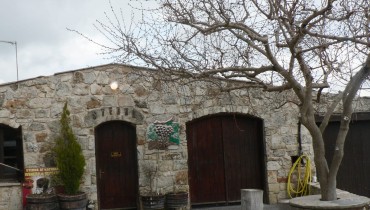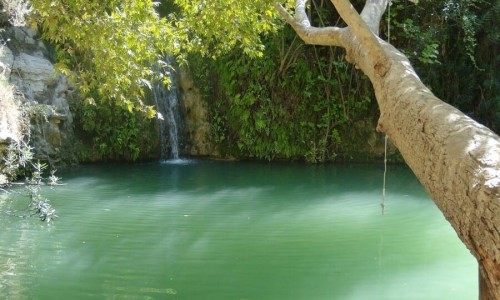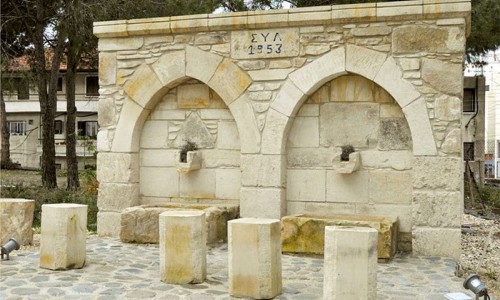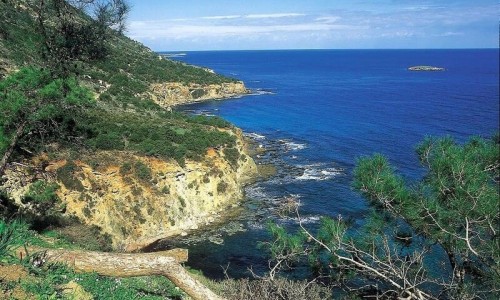

Cyprus has been making wine for something close to five and a half thousand years, and for most of the last century it made rather a lot of it without much interest in who drank it. That changed from the 1990s onwards, when the bulk cooperatives gave way to small regional producers working their own vineyards at altitude. The result is an island where you can visit a working winery in a mountain village, taste six wines made from grapes grown on the slope below you, and be back at the coast for dinner. This site documents 19 wineries, listed by district further down the page.
Where they are
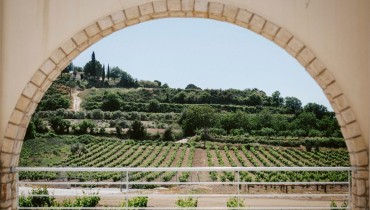
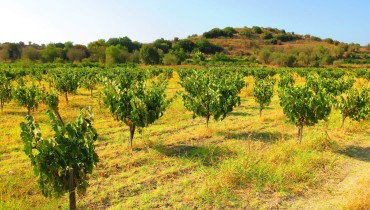
Almost all of them are in two districts: 10 in Limassol and 9 in Paphos. That is not an accident of coverage — it is where the vineyards are. The wine villages north-west of Limassol run up to the Paphos border at altitudes of 600 metres and above, with the Afamis area east of the Ha-Potami river higher still at around 750 metres. Height is the whole point: it gives the cool nights that a Mediterranean island otherwise cannot.
The grapes
The island’s own varieties are what make a visit worth the drive. Xynisteri, the principal indigenous white, is grown by more than half the wineries documented here, and the indigenous red Maratheftiko by a third of them. Alongside these sit the international plantings — Cabernet Sauvignon and Shiraz appear at roughly half the wineries on this site. Several also make Commandaria, the sweet fortified wine that is the island’s oldest named product, and many keep a still of zivania as well.
A few of them
In the Limassol hills, Tsiakkas at Pelendri and Kyperounda sit high on the northern slopes, while Ktima Vlassides and Ayia Mavri are both at Koilani — the latter known above all for its much-awarded Muscat. Hadjiantonas at Parekklisia is the easiest to reach from Limassol itself.
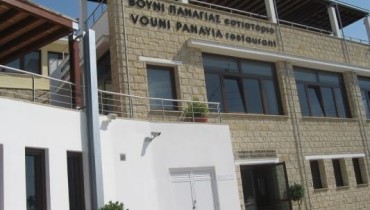
In the Paphos district, Vouni Panayia sits in the village of Panagia in the hills above Polis, and Vasilikon, Tsangarides and Fikardos are all within an easy drive of the coast.
Visiting
Most of these are small operations rather than visitor centres, so call ahead rather than turning up — particularly out of season, and particularly if you want someone to walk you through the wines. Individual winery pages on this site carry contact details where the producer has published them.
The harvest, from roughly August into October, is the most interesting time to come and the least convenient: everyone is working. Spring and early summer are easier. Almost every winery here is at the end of a mountain road, so plan a driver — the tasting is generous and the roads are narrow.
For the villages themselves rather than the producers, see Cyprus wine villages and the wine routes; for the wine itself, see Cyprus wine.
All the wineries on Cyprus Island
19 wineries documented on this site. 19 of them are plotted on Cyprus in 3D.
- Limassol
Lambouri Winery - Kato Platres
- Limassol
Ayia Mavri Winery - Koilani
- Limassol
Ktima Vlassides Winery - Koilani
- Limassol
Tsiakkas Winery - Pelendri
- Limassol
Kyperounda Winery - Kyperounta
- Limassol
Nicolaides Winery - Anogyra
- Paphos
Vouni Panayia Winery
- Paphos
Kamanterena Winery
- Paphos
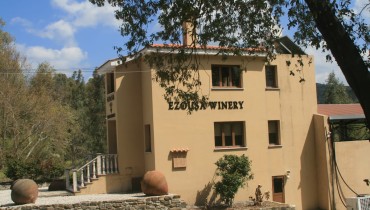
Ezousa Winery
- Paphos
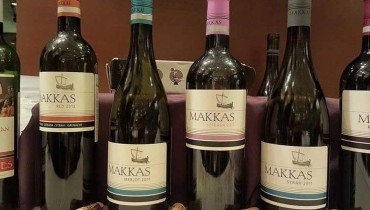
Makkas Winery
- Paphos
Vasilikon Winery
- Paphos
Tsangarides Winery
- Paphos
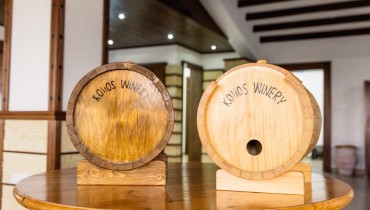
Kolios Winery
- Paphos
Fikardos Winery
- Paphos
Sterna Winery