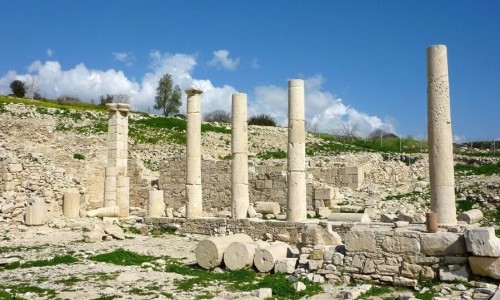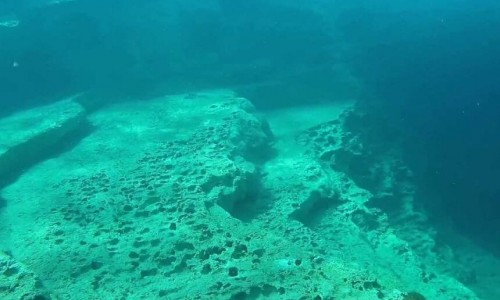

Cyprus is an island of captivating contrasts, where sun-drenched Mediterranean beaches meet rugged mountain peaks and centuries-old villages. You can transition from a mountain hike to a refreshing swim in the ocean in less than an hour.
\n \nWhile many visitors flock to the island for its famous all-inclusive resorts, the true magic of Cyprus is best discovered on four wheels. The island’s compact size makes it the ultimate destination for a road trip.
\n \nThis guide outlines a circular one-week route designed to help you experience the full breadth of the island's beauty. By renting a car, you escape the rigid schedules of tour buses and embrace a slow, flexible style of travel, allowing the island's history and hospitality to reveal themselves at their own pace.
\n \nThis one-week itinerary is designed as a circular loop starting and ending in Larnaca, home to the island's largest international airport. However, the beauty of this route lies in its flexibility. If you happen to fly into Paphos, you can hit the same destinations, just starting and ending in Paphos instead.
\n \n\n \n
Days 1–2: Larnaca and the Salt Lake Coast
\n \nYour journey begins in the gateway city of Larnaca. Upon arrival, pick up your rental car, check into your vacation rental, and settle into this coastal hub.
\n \nLarnaca perfectly balances the modern with the ancient. Start your first afternoon with a stroll along the Finikoudes promenade, lined with palm trees and bustling cafes.
\n \nFor a dose of history, visit the 9th-century Church of Saint Lazarus, a stunning example of Byzantine architecture that houses the tomb of the saint. In the narrow streets of the old Turkish quarter (Skala), you can find traditional potters at work, a perfect example of the slow, artisanal life that still thrives here.
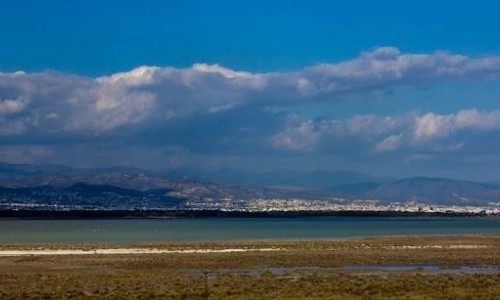
\n \nOn your second day, head slightly inland to the Larnaca Salt Lake. If you're visiting between November and March, you’ll see the lake transformed into a pink-hued spectacle as thousands of migratory flamingos stop here to feed. Nearby sits the Hala Sultan Tekke, one of the holiest Islamic sites in the world, set against a serene lakeside backdrop.
\n \nFor lunch, seek out a local souvlakia spot to try grilled pork or chicken in warm pitta bread with plenty of tahini and tzatziki.
\n \nFor those planning a pet-friendly visit to Cyprus, Larnaca offers several beach stretches and outdoor trails, such as the nature path around the lake. You’ll also find plenty of dog-friendly cafes, bars, and restaurants, reflecting the island's generally welcoming attitude toward animals.
\n \n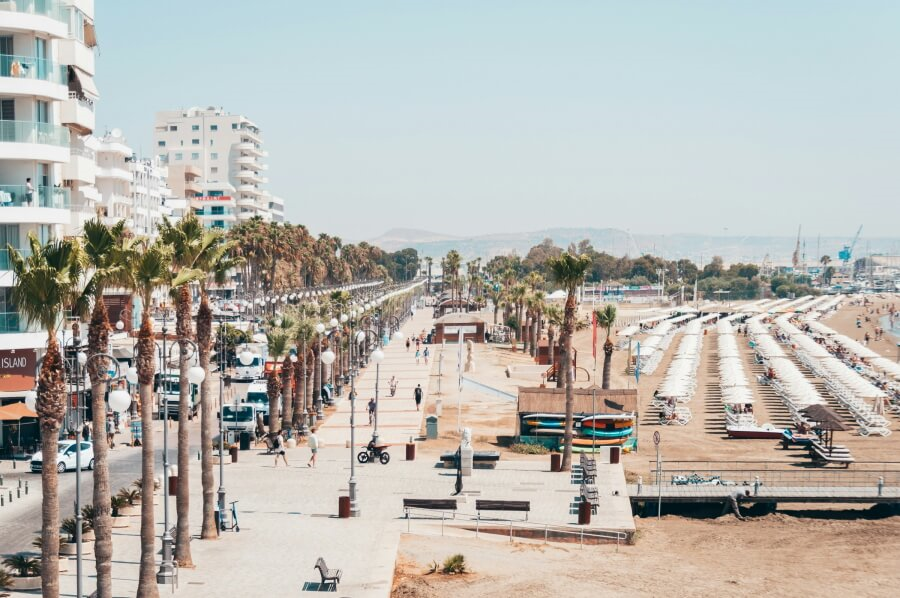
\n \n
Days 3–4: Limassol and the Troodos Mountains
\n \nDeparting Larnaca, take the scenic coastal road toward the island's second-largest city, Limassol.
\n \nMake time to visit the charming cobblestone streets of Pano Lefkara along the way. This historic village is famous for its silver handicrafts and intricate lefkaritika lace. You can often see the local women sitting in the sun, needles in hand, continuing a craft that inspired Leonardo da Vinci in the 15th century.
\n \nHead on to Limassol, which serves as the ideal central base for the next two days. It is a city of layers, from the sleek, luxury Limassol Marina to the narrow, atmospheric streets of the old town. This historic part of the city centers around the medieval castle, where Richard the Lionheart is said to have married Berengaria of Navarre in 1191.
\n \nLimassol is also the gastronomic heart of Cyprus, so be sure to find a local taverna in the old town to enjoy a traditional meze. This isn't just a meal; it's a two-hour event featuring traditional dishes like grilled halloumi, sheftalia (spiced sausages), and kleftiko (slow-roasted lamb).
\n \nThere’s plenty of choice when it comes to accommodation in Limassol, so you won’t have trouble finding the right hotel or vacation rental to relax in and sleep off your feast.
\n \nOn day four, take a break from the heat of the coast as you spend the day in the Troodos Mountains. It only takes about an hour to get there from Limassol, so you can easily spend the day exploring the area’s UNESCO-listed painted churches and traditional stone villages.
\n \nThere’s no shortage of places to stop here, but Omodos is well worth highlighting. It’s known for its historic Timios Stavros Monastery and wine-making heritage. Stop at a local linos (wine press) to taste the legendary Commandaria, the oldest named wine in the world that is still in production.
\n \nThe air up in the Troodos Mountains is cooler and the pace of life significantly slower, offering a refreshing counterpoint to the vibrant coastal energy. Return to Limassol for a good night’s sleep before your next day of driving.
\n \n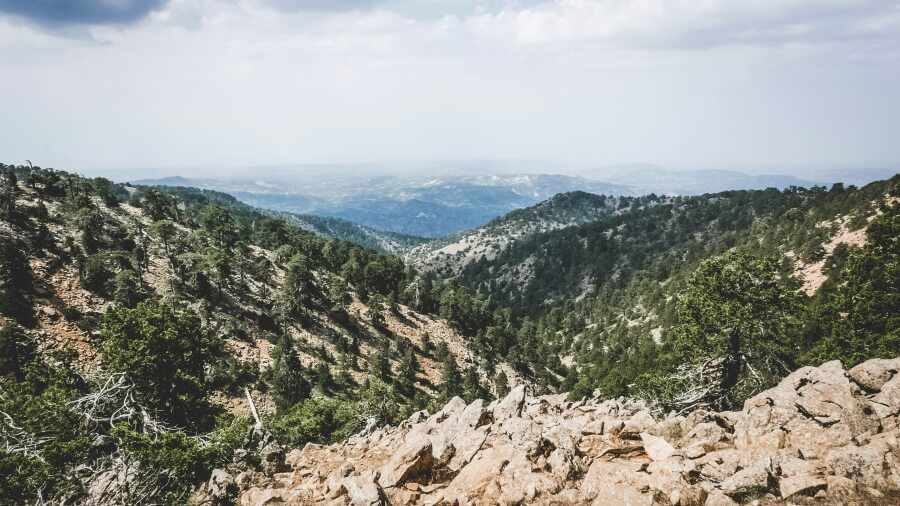
\n \n
Days 5–6: Paphos and the Wild West
\n \nLeave Limassol and drive about an hour west to your next base, Paphos, a city so rich in history that the entire town is listed as a UNESCO World Heritage site.
\n \nOn Day 5, focus on the city's ancient core. Spend your morning at the Paphos Archaeological Park, home to some of the most beautifully preserved Roman mosaics in the Mediterranean, depicting myths of Dionysus and Theseus. Afterward, drive a short distance north to the Tombs of the Kings, an impressive underground necropolis carved into the solid rock.
\n \nPaphos is a fantastic place to dive into the local food scene. For a true taste of the region, seek out a family-run taverna for traditional dishes like moussaka (layered meat and vegetable casserole) and afelia (pork marinated in red wine).
\n \nAs the sun begins to set, head back to the Paphos Harbour. The view of the medieval fort silhouetted against the orange sky is a quintessential Cyprus experience, best enjoyed with a glass of local Xynisteri white wine.
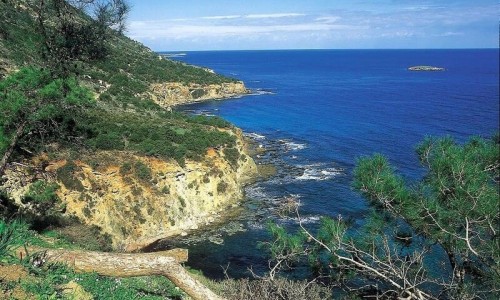
\n \nOn Day 6, take a trip out of the city to explore the rugged beauty of the Akamas Peninsula, a protected nature reserve that remains the last true wilderness on the island. Start early and drive north through the Peyia region, stopping briefly at the dramatic sea caves where the Mediterranean has sculpted the limestone cliffs.
\n \nContinue toward Latchi, a charming fishing harbor that serves as the gateway to the Blue Lagoon. The best way to see this area is by boat; the crystal-clear turquoise waters of the lagoon are perfect for a long, slow morning of snorkeling and swimming.
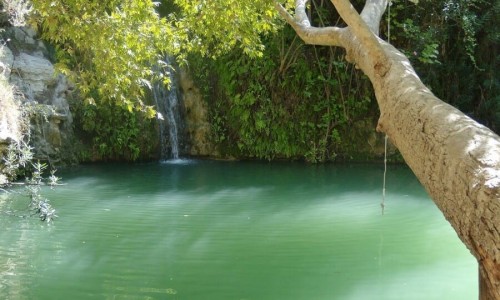
\n \nFor hikers, the Akamas offers several well-marked paths, such as the Aphrodite or Adonis Nature Trails, which provide sweeping views over the Chrysochou Bay. The flora here is spectacular, especially in the spring when rare endemic orchids are in bloom.
\n \nIf you have the time, head to the nearby village of Polis Chrysochous. Polis maintains a quiet, authentic atmosphere far removed from the busier resorts. Its pedestrianized center is filled with traditional houses and small cafes where you can enjoy a coffee under the shade of a plane tree.
\n \nThis western corner of the island encourages a significantly slower pace. Whether you are exploring the shaded botanical gardens at the Baths of Aphrodite or simply watching the local fishermen bring in their catch at Latchi, the emphasis is on the natural world.
\n \nReturn to Paphos and spend your final evening soaking up the city’s historic beauty.
\n \n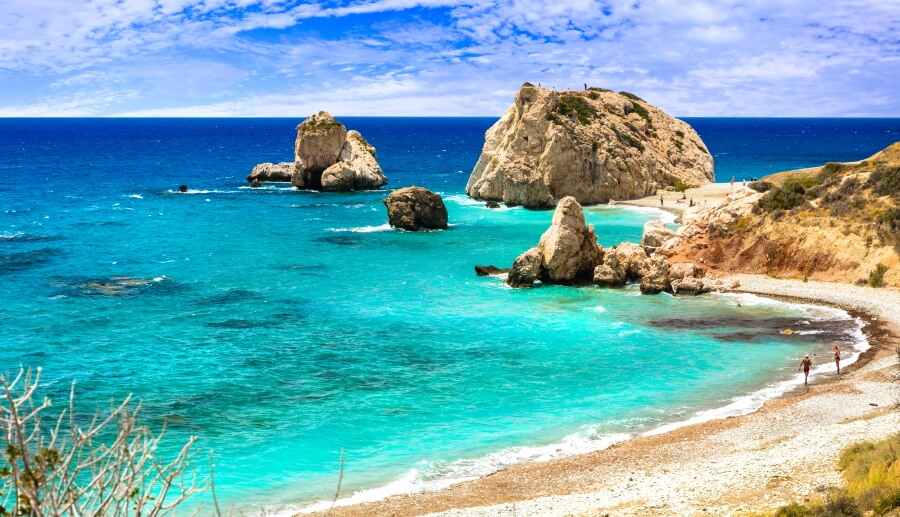
\n \n
Day 7: Returning to the Start
\n \nYour circular road trip concludes with the drive back toward Larnaca. You can choose a fast motorway route for convenience, or for a more scenic finale, take the winding mountain roads through the foothills of the Troodos.
\n \nThis final day is for tying up loose ends. You could drop by Petra tou Romiou, just outside of Paphos, to see the rock formation where Aphrodite is said to have been born. Alternatively, take a final dip in the Mediterranean at Governor’s Beach, 15 miles east of Limassol, famous for its white rocks and dark sand.
\n \nYou might prefer to get back into Larnaca early to enjoy a last-minute souvenir shop in the old town for some carob syrup or rose water.
\n \nAs you spend your last night on the island, reflect on the diverse landscapes you've traversed, from the high peaks of the Troodos to the historic ruins of Paphos and the wild nature of the Akamas. You've seen the island not as a tourist, but as a traveler.
\n \n\n \n
Practical Driving and Planning Tips
\n \nDriving in Cyprus is generally straightforward, but there are a few things to keep in mind to ensure a stress-free trip.
\n \n- \n\t
- Prepare to drive on the left: This can take some adjustment if you’re from a country that drives on the right. \n\t
- Take care on rural roads: While major cities are connected by high-quality motorways, rural, mountain, and Akamas roads can be narrow, winding, and unpaved. \n\t
- Choose automatic: Opting for an automatic vehicle is recommended for easier navigation through hilly terrain. \n\t
- Navigate offline: Carry physical maps or use offline digital maps, as GPS signals can be unreliable in deep mountain valleys. \n\t
- Choose the right time: Visit during spring (April–May) for wildflowers, or autumn (September–October) for warm seas and fewer crowds. Summer temperatures often exceed 85°F, so prioritize exploring the cooler mountain regions. Winter often brings storms, which can make traveling mountain roads difficult. \n\t
- Find parking lots: In cities, look for municipal parking lots (marked with a blue P) as a safer and more affordable alternative to street parking. \n\t
- Make your itinerary flexible: Embrace the local "siga siga" (slowly-slowly) lifestyle by leaving room in your schedule for spontaneous detours and local interactions. \n
\n \n
Explore Cyprus by Car to See it All
\n \nA Cyprus road trip is more than just a vacation; it’s an invitation to slow down and embrace a different pace of life. By following this circular route, you’ll navigate the island's complex history, taste its rich culinary traditions, and see its diverse natural beauty.
\n \nPack your bags, rent a car, and prepare for a journey that will stay with you long after you've returned home. Cyprus is waiting, and there is no better way to see it than at your own speed.
\nPublished On: July 8, 2026