
Few places in the world blend mythology and everyday life as seamlessly as Cyprus. While many destinations proudly showcase their ancient legends, Cyprus stands apart because one of the most famous myths in human history is woven directly into its landscape.
According to Greek mythology, this Mediterranean island is the birthplace of Aphrodite. In Homer’s Iliad, she was said to be the daughter of Zeus, the King of Olympus, and Dione, a Titaness.
Other sources, such as Hesiod’s Theogony, purport that Aphrodite was born from the foam that came from Uranus’ genitals after his son Cronus severed them from him and threw them into the sea.
But regardless of which tale is more convincing, the Goddess of Love and Beauty remains a fascinating and mysterious figure.
Thousands of years after her story first captured imaginations, her presence can still be felt across the island, manifesting in its most scenic spots.
The Mythical Birthplace of Aphrodite
The legend begins along Cyprus's southwestern coast, where Aphrodite is said to have emerged from the famous sea foam.
The site, known today as Aphrodite's Rock, remains one of the country's most visited landmarks.
Rising dramatically from the turquoise waters near Paphos, the rock formation attracts travelers from around the world who come to admire its beauty and connect with the enduring myth.
Regardless of whether visitors believe in the ancient story or simply appreciate its cultural significance, there is no denying the powerful influence Aphrodite continues to have on Cyprus.
The goddess has become far more than a mythical figure. In fact, she serves as a symbol of the island's identity, shaping tourism, local traditions, and even modern branding.
Aphrodite's Influence on Tourism
A Symbol of Romance and Beauty
One of the clearest examples of Aphrodite is in Cyprus's tourism industry. Hotels, resorts, spas, restaurants, and tour operators frequently incorporate the goddess’ name into their businesses.
Luxury experiences often draw inspiration from themes of romance, beauty, and relaxation, qualities traditionally associated with the goddess herself.
Honeymooners and couples, in particular, are drawn to Cyprus because of its reputation as a destination where love and natural beauty meet.
Landscapes Worthy of a Goddess
The influence extends beyond marketing, as Cyprus's breathtaking landscapes help reinforce the connection.
For instance, golden beaches, crystal-clear waters, fragrant wildflowers, and sun-drenched hills create an environment that seems fitting for a goddess identified with beauty.
It is easy to understand why ancient storytellers imagined such a divine figure emerging from these shores—and why locals and government bodies embody her as the epitome of the island’s magnificent allure.
Aphrodite in Cypriot Culture
Preserving Ancient Heritage
In local culture, Aphrodite remains a source of pride. Museums, archaeological sites, and cultural festivals celebrate the island's rich Greek heritage and its connection to the goddess.
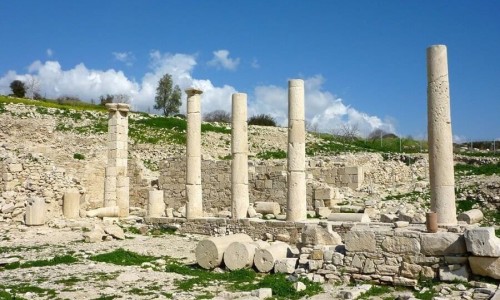
Visitors can explore ancient sanctuaries dedicated to Aphrodite, including the remains of temples that once pulled worshippers from across the ancient Mediterranean world. These historical sites provide valuable insight into how deeply the goddess was revered in antiquity.
A Modern Cultural Icon
At the same time, modern Cypriots have embraced Aphrodite as a cultural ambassador rather than a religious figure. Her image appears in souvenirs, artwork, jewelry, and local crafts.
Walk through a marketplace in Paphos or Nicosia, and you will likely encounter countless references to the goddess. She has become a bridge between Cyprus's ancient past and its contemporary identity.
The Goddess's Presence in Everyday Life
Interestingly, the concept of beauty associated with Aphrodite also manifests in Cyprus's lifestyle. The island places a strong emphasis on hospitality, family gatherings, outdoor dining, and appreciation of nature.
Cafés spill onto sunny terraces, communities gather for festivals, and meals often stretch into long social occasions. While these customs are not directly tied to mythology, they reflect a cultural appreciation for life's pleasures that feels perfectly aligned with Aphrodite's symbolic legacy.
Aphrodite in the Digital Age
Even Cyprus's growing digital presence occasionally intersects with its mythological image. Travel bloggers, influencers, and online communities regularly share stories about Aphrodite's birthplace, helping introduce the island to new generations of travelers.
In a world where people can discover destinations as easily as they can explore entertainment platforms, like bingo PH, Cyprus continues to capture attention with a unique combination of history, mythology, and authentic Mediterranean charm.
Why the Legend Endures
What makes the story particularly remarkable is its longevity. Many ancient myths remain confined to books or museum exhibits. Aphrodite's connection to Cyprus, however, continues to evolve and remain relevant.
The goddess's story enhances the visitor experience while also giving locals a powerful cultural narrative that distinguishes their island from countless other Mediterranean destinations.
Today, a traveler standing beside Aphrodite's Rock can witness more than a scenic coastal view. They are participating in a tradition that spans millennia, connecting modern life with one of humanity's most enduring legends.
The waves still crash against the shoreline, the Mediterranean sun still illuminates the sea, and the story of Aphrodite continues to inspire curiosity, romance, and admiration.
Conclusion
In Cyprus, mythology is not simply remembered. It is lived, celebrated, and woven into the rhythms of everyday life.
That enduring presence is part of what makes the island such a captivating destination and why the legacy of Aphrodite remains as powerful today as it was in the ancient world.
Published On: June 9, 2026