The island of Cyprus has traditionally been associated with the ideal Mediterranean getaway: golden beaches, ancient ruins, endless sunshine and culinary options that can take your palette on a trip. While all of the above is true, Cyprus has some secrets and gems that only people who really know the island are previewed to.
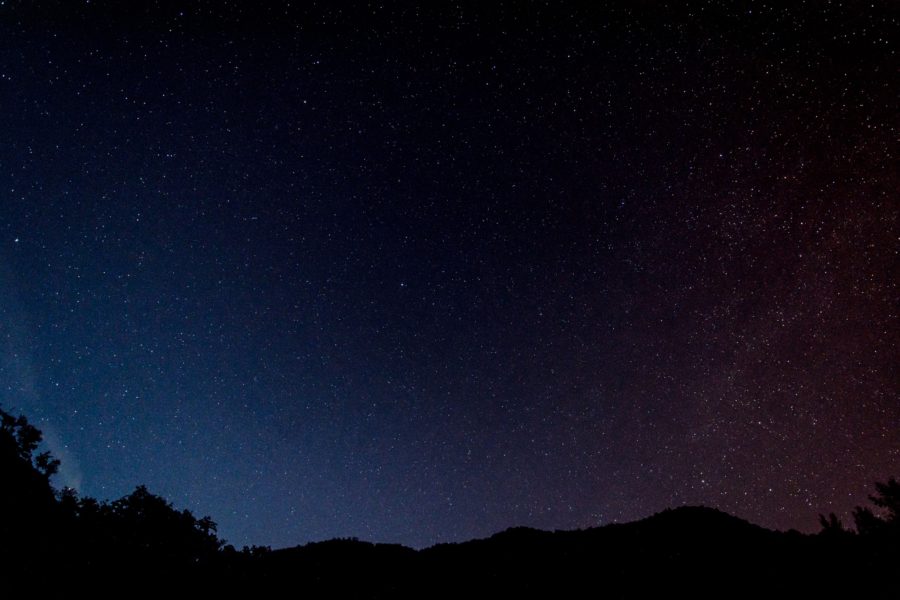
When the sun sets, a completely different world reveals itself to those who are simply willing to turn their head up to the sky. Astrotourism is a new wave, a new type of tourism for people who enjoy viewing the night sky, stargazing, and experiencing rare celestial events.
Thanks to its unique geographical location, low humidity, year-round clear weather, and pristine night sky Cyprus has positioned itself at the centre of this new trend. While we view this movement as something new, the truth of the matter is that historically, sailors used these very same Mediterranean skies to find their way in the seas.
Top locations for observing the night sky
How do you create the ideal conditions for astrotourism? You must first understand the concept of "light pollution." The idea of light pollution refers to the multiple sources of artificial lighting we’re exposed to that completely wash out the faint light of distant galaxies and constellations. From streetlamps, and buildings, to cars, our eyes are always obstructed by light and never get the chance to appreciate the heavens in all their natural glory. Going back to answer the original question, to create the ideal conditions for astrotourism you need to travel far away from the bright urban centers of Limassol, Paphos, and Larnaca. Only in these remote, untouched areas will you find the deep darkness required for optimal, breathtaking stargazing.
Troodos Mountains and Mount Olympus
If you’re looking to watch the stars unobstructed and away from artificial lighting, it only makes sense to look for the highest point you can access, the place closest to the sky. When we’re talking about the island of Cyprus, that point is Mount Olympus, nearly 2,000 meters above sea level. At this impressively high altitude, Olympus offers a lot more than a remote location away from the light. The air is remarkably thin, crisp, and clear, removing much of the atmospheric distortion that blurs starlight at sea level. The Troodos region is the premier destination for nightgazers, offering unparalleled, panoramic views of the Milky Way.
Akamas Peninsula
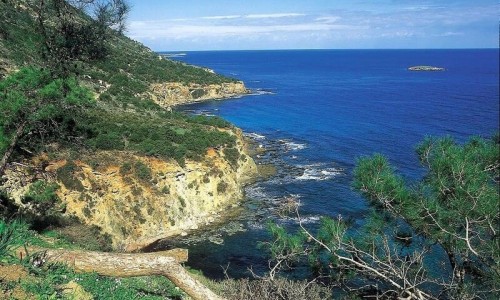
Second on the list of prime locations is the Akamas Peninsula, a wild and beautifully untouched national park located in the remote northwest corner of the island. The keyword in this description is the word remote. The area is blessed with the absence of hotels, massive resorts, and major infrastructure developments. It’s protected from artificial lighting and remains one of the darkest spots on the entire coastline. As a result, you can lay back on the deserted, rugged shores, listen to the sound of the crashing waves, and gaze up at the starry sky as if you’re part of a Baz Luhrmann movie.
Cape Cavo Greco (Ayia Napa)
If we decide to cross the island all the way to the southeast, Cape Cavo Greco is a place notorious for its natural, picturesque beauty. While the location is very close to one of the busiest, tourist-pact areas in Cyprus, Ayia Napa, the cape itself is surprisingly dark and shielded from the city glow by its topography. The location is particularly well-known for any visiting photographer. While others are partying to the sounds of trance music in Ayia Napa, skywatchers can enjoy the night views in serene surroundings.
Astrologer's Calendar: When is the best time to fly to Cyprus?
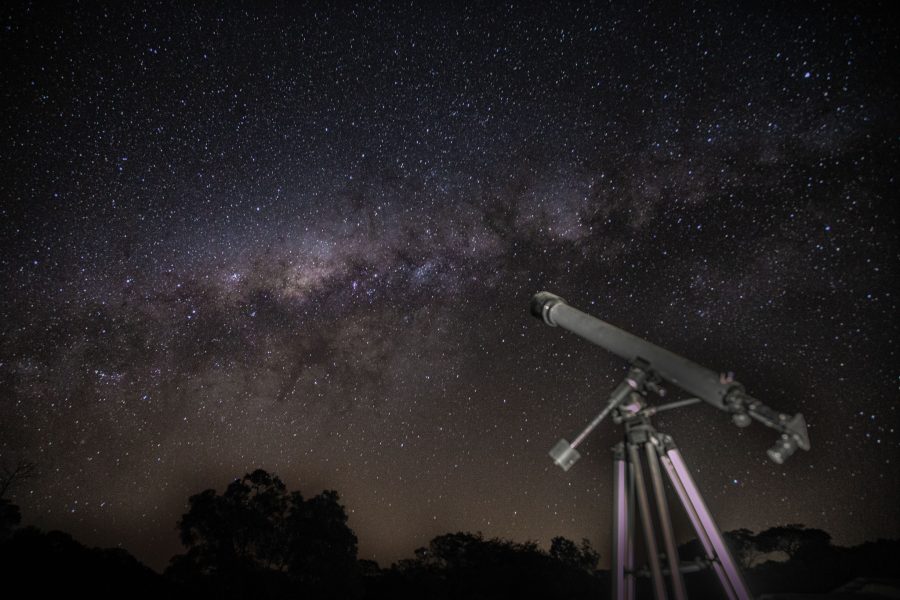
Planning your trip to Cyprus for stargazing reasons, requires impeccable timing and syncing with the lunar calendar. The best time to book your excursion is during the new moon phase. When the moon is full, its reflected sunlight acts as natural light pollution, completely obscuring the faint light of a distant star, meteor shower, or nebula. For the clearest skies and optimal result, plan your visit between late spring and early autumn when the moon sits highest in the northern hemisphere.
What makes Cyprus the ideal destination for astrotourism is that you don’t need to wait for the night time to make the most of your trip. You can use the daytime to invest in yourself, your health and body. For example, you can book a session at PRIVATE AESTHETIC CENTER by PUNIN and treat your skin and body to treatments that can nourish and recharge your body. Following up a late night in the mountains with a hydrating facial at a premium aesthetic clinic ensures your holiday remains deeply restorative.
Astrotourist Equipment - What to Bring
There is a common myth among travelers that Cyprus is sweltering hot everywhere during the summer months. While the coastal beaches are undeniably warm, temperatures drop dramatically in the high-altitude Troodos Mountains after dark. Proper preparation and self-care are absolutely essential for a comfortable and safe night under the stars.
- Warm Layers: Pack a thick fleece jacket, a windbreaker, and long pants. You will be sitting still for hours in the cold mountain air, and the temperature shift can be jarring.
- Red Flashlight: White light from standard flashlights or phone screens ruins your eyes' night vision for up to 30 minutes. A red flashlight helps you navigate rocky trails without dilating your pupils.
- Hydration and Skincare: The mountain wind can be incredibly drying. Bring plenty of drinking water and apply a rich moisturizer to protect your face and hands from harsh windburn.
- Star Map or App: Download a stargazing application to your smartphone to help identify complex constellations, satellites, and planets as they move across the sky.
- First Aid Kit: When walking in the dark over uneven terrain, minor scrapes and bumps can easily happen. Having basic medical care supplies on hand ensures you are prepared for small emergencies.
Let's save the dark skies of Cyprus
According to recent market analytics from Statista, the wellness and experiential tourism market is booming worldwide, driven heavily by travelers seeking mindful, restorative experiences rather than just standard sightseeing. Clinical studies supported by the National Institutes of Health emphasize that limiting artificial light exposure at night strongly supports healthy circadian rhythms, improves sleep quality, and significantly reduces stress. The pristine darkness of the night sky is a fragile natural resource, just as important to our well-being and the local ecosystem as the island's famous golden beaches and dense pine forests.
Published On: August 13, 2026