

Along the sun-kissed southwestern coast of Cyprus, between the cities of Paphos and Limassol, rises one of the island’s most legendary landmarks: Petra tou Romiou, also known as Aphrodite’s Rock. This striking sea stack, surrounded by the brilliant blue waters of the Mediterranean, is not only a natural wonder but also a sacred site steeped in mythology, legend, and cultural identity.
In the realm of ancient Greek mythology, Petra tou Romiou holds a place of divine significance. It is here, according to legend, that Aphrodite, the goddess of love and beauty, was born. The myth—first recorded by the poet Hesiod in Theogony—tells of Cronus severing the genitals of Uranus and throwing them into the sea. From the resulting sea foam (aphros) arose Aphrodite, fully formed and radiant. She drifted to shore at this very spot, stepping onto the island of Cyprus and forever binding it to her name.
Indeed, the very name “Aphrodite” comes from aphros, the Greek word for foam, and Cyprus is often referred to as The Island of Aphrodite.
While the mythological ties to Aphrodite are well known, the site’s Greek name—Petra tou Romiou, or “Rock of the Greek”—tells a different story. This name refers to the Byzantine folk hero Digenes Akritas, a warrior of dual heritage (Greek and Arab), who defended the Byzantine Empire’s borders from invaders.
According to local legend, Digenes threw a massive boulder from the Troodos Mountains to destroy invading Saracen ships. That boulder is said to be none other than Petra tou Romiou. Thus, the site merges both pagan mythology and Christian folklore, reflecting the rich, layered history of Cyprus itself.
Petra tou Romiou is more than a rock—it’s a place that lives in the hearts of locals and visitors through countless stories and traditions:
- Swim Around the Rock: A well-known legend promises that swimming around the rock three times will grant eternal beauty, youth, or even true love.
- Aphrodite’s Blessing: Some believe that couples who visit together will be blessed with a harmonious relationship.
- Moonlit Myths: Under the light of a full moon, it is said that you might glimpse the shimmering figure of Aphrodite rising once more from the sea.
These beliefs, whether playful or poetic, are part of what makes the site so enchanting.
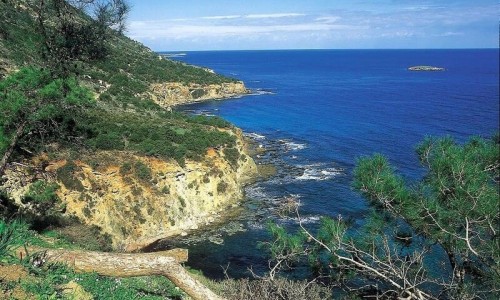
Even without its mythical aura, Petra tou Romiou is a marvel of natural beauty. The rock formation juts dramatically from the sea, flanked by pebbled beaches and rugged cliffs. The colors here are vivid—the sea shifts from deep blue to turquoise, the sky often blazes with sunset hues, and the white foam of the waves evokes the legend it gave birth to.
It is no wonder this is one of the most photographed places in Cyprus.
Petra tou Romiou is easily accessible from the main highway between Paphos and Limassol. There is a parking area, a pedestrian underpass to reach the beach safely, and nearby amenities including a restaurant, café, and souvenir shops.
Tips for Visitors:
- Best Time to Visit: Sunset is magical. The changing colors of the sky and sea make for stunning photos and a memorable experience.
- Swimming: While the water looks inviting, it can be rough and unpredictable. Swimming around the rock is discouraged for safety.
- Photography: This is a must-visit spot for photographers. Whether you’re using a phone or a professional camera, the views are unforgettable.
- Nearby Attractions: Consider visiting the nearby Aphrodite Hills Resort, or the Sanctuary of Aphrodite at Kouklia—a UNESCO World Heritage Site.
Petra tou Romiou has inspired generations of artists, poets, and romantics. Its imagery appears in local art, coins, jewelry, and even wine labels—Aphrodite’s Kiss being one of the more famous nods to the myth.
For Cypriots, the site is more than a tourist attraction. It’s a symbol of national identity, a connection to ancient roots, and a constant reminder of the island’s mythical grandeur.
Petra tou Romiou stands as a timeless intersection of myth, history, and natural splendor. Whether you are drawn by the legendary stories of Aphrodite’s birth, the echoes of Byzantine heroism, or simply the beauty of the landscape, visiting this site offers a sense of magic and connection to something greater.
As the waves lap against the stone and the sun sinks behind the horizon, you may find yourself believing—if only for a moment—that you’ve witnessed the divine.
Near Petra tou Romiou
Other places within a short drive, closest first.