1 min read

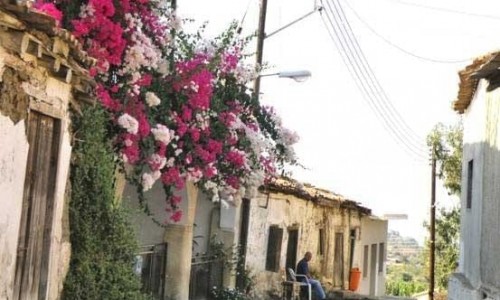
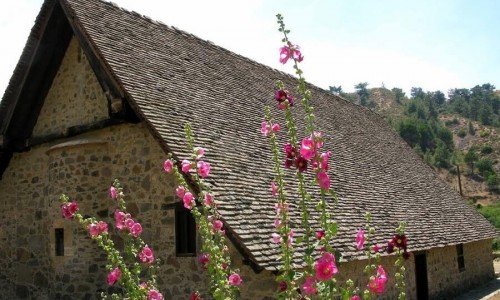
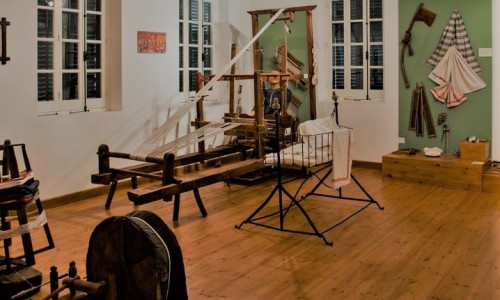
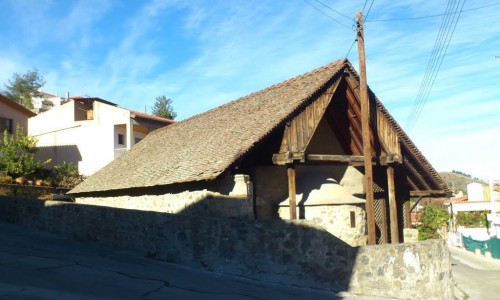
The Pilavakio museum was founded by Theofani Pilavaki from Fini. The museum is a construction of the 16th century and is in the centre of the village of Fini. It is a unique farm museum of local art which includes representative ceramic creations of Fini as well as tools and other items of agriculture and farming use. At the Pilavakio museum one can see clay vases, pots and ancient lamps. Some items are dated back to the 18th century. The museum shows the fertile and creative past of a farming community.

Theofanis was born in 1924 at Fini from a poor family. His family dealt with the creation of clay pots. That is why his last name has the words pilo which means clay and the word vallw which means put. He went to the Fini Primary School. At the same time he helped his family with the creation of the clay pots in order to provide food and shelter for his family.

Pilavakio Museum, Cyprus location map: 

Near Pilavakio Museum, Cyprus

Other places within a short drive, closest first.
Nearby Places and things to do (within 5 km radius)

Nicosia

Archontiko of Axiothea

The Archontiko of Axiothea can be described as a very interesting example of urban architecture of the 18th century.

Nicosia

The Leventis Municipal Museum of Nicosia

The Leventis Municipal Museum of Nicosia is housed in a complex of three traditional buildings on Ippokratous street, within the old town not far from Freedom s

Nicosia

Eleftheria Square – Nicosia

In the capital of Cyprus, where ancient walls still encircle a living, breathing modern city, Eleftheria Square (Plateia Eleftherias, meaning “Freedom Square”)

Nicosia

Shacolas Tower - Nicosia

Shacolas tower is the tallest building in the old town of Nicosia and is one of the tallest in the district.

Nicosia

Fairy Tale Museum, Cyprus

The Fairy tale Museum is located in the Nicosia district and it opened on the 23rd of February 2017, inviting young and old to the magical world of fairy tales.

Nicosia

Omerie Mosque

The mosque is located within the walls, in the south side of old Nicosia, between the bastions Costanza and Podocataro.

Pages