

Vretsia is one of the quiet and traditional villages of Cyprus, located in the Paphos district and surrounded by the natural beauty of the island’s countryside. It is a village with a calm atmosphere, rural character, and a strong sense of history. Although it is not one of the most famous destinations in Cyprus, Vretsia has a unique charm that makes it interesting for people who enjoy discovering the authentic and less commercial side of the island.
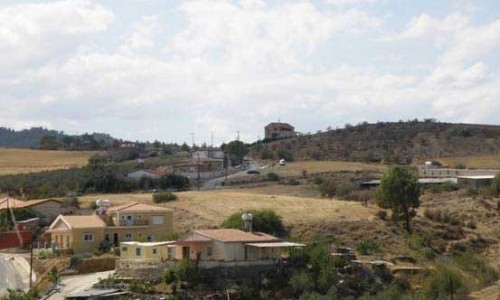
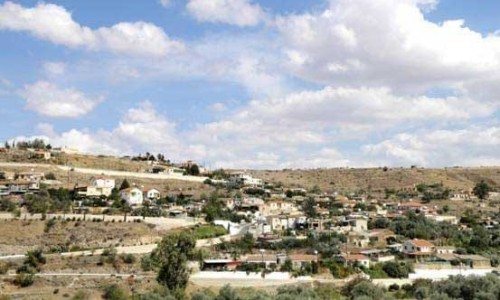
The village is set in a peaceful landscape of hills, fields, trees, and open countryside. Like many small villages in the Paphos region, Vretsia reflects the older way of life in Cyprus, when communities were closely connected to agriculture, nature, family traditions, and the rhythm of the seasons. It is a place where the past can still be felt in the old houses, quiet paths, stone walls, and surrounding rural scenery.
One of the most striking things about Vretsia is its peacefulness. Unlike the busy coastal towns and tourist areas, the village offers silence, space, and a slower pace of life. This makes it appealing to visitors who want to escape the noise of modern life and experience a more traditional side of Cyprus. The beauty of Vretsia is not loud or dramatic; it is found in its simplicity, its natural surroundings, and its sense of forgotten history.
Vretsia is part of the wider rural landscape of the Paphos district, an area known for its villages, vineyards, monasteries, valleys, and traditional communities. The roads leading to the village pass through countryside that changes beautifully throughout the year. In spring, the area becomes green and colourful, filled with wildflowers and fresh vegetation. In summer, the land takes on the golden tones typical of the Cypriot countryside. Autumn brings warmer earthy colours, while winter gives the village a quiet and reflective atmosphere.
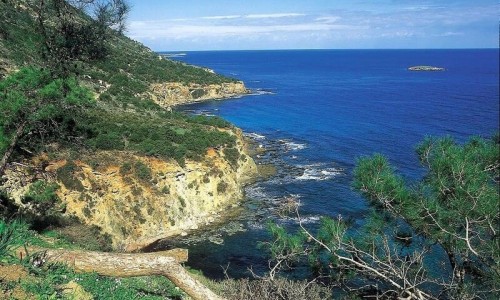
The natural environment around Vretsia is one of its most valuable features. The surrounding hills and countryside create a feeling of isolation and calm. This makes the village attractive to people who enjoy nature, photography, walking, and exploring rural places. The landscape is not only beautiful but also meaningful, as it shows how closely traditional Cypriot villages were connected to the land.
Agriculture played an important role in the life of Vretsia. In the past, families depended on farming, animals, seasonal crops, and the resources of the surrounding countryside. The land provided food, work, and identity. People cultivated fields, cared for trees, produced local goods, and lived according to the natural rhythm of the year. This agricultural background helped shape the character of the village and influenced its traditions, daily routines, and community life.
Like many rural villages in Cyprus, Vretsia has experienced changes over time. As life modernised and people moved to towns or abroad for work and education, many smaller villages became quieter. Some houses were left empty, and the population declined. This has given Vretsia a special atmosphere, where the traces of the past are especially strong. The quietness of the village tells a story of change, migration, and the transformation of rural Cyprus.
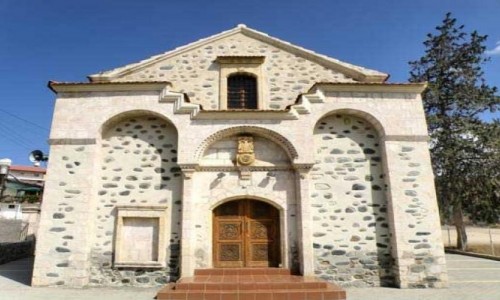
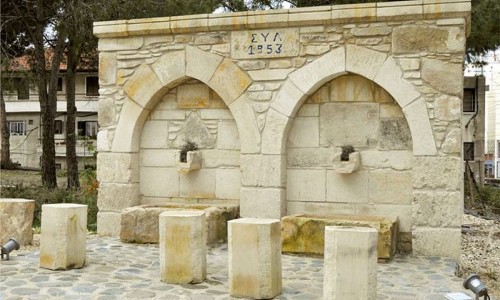
The architecture of Vretsia reflects the traditional style of Cypriot village life. Older houses were commonly built with local materials, especially stone, and designed to suit the climate and needs of rural families. Thick walls, wooden doors, tiled roofs, courtyards, and simple interiors were all part of traditional village homes. These buildings were practical, but they also had a beauty that came from craftsmanship and harmony with the environment.
Walking through a village like Vretsia can feel like walking through a living memory. Even where buildings are old or abandoned, they still carry the presence of the people who once lived there. Every doorway, wall, courtyard, and narrow lane suggests stories of family life, work, celebrations, hardship, and community. The village becomes a reminder of how previous generations lived and how much Cypriot society has changed over time.
Religious life was also an important part of the village’s identity. In traditional Cypriot communities, churches and chapels were central to social and spiritual life. They were places of worship, but also places where people gathered for feast days, weddings, baptisms, memorials, and important community events. In villages such as Vretsia, religion helped bring people together and gave structure to the year through its calendar of celebrations and traditions.
Community was one of the strongest elements of village life. In small villages, people knew one another well and depended on each other. Families helped neighbours during harvests, celebrations, building work, and difficult times. This sense of mutual support created close bonds between residents. Even if the village is much quieter today, the memory of that community spirit remains part of its identity.
Vretsia also represents the emotional side of rural Cyprus. Many villages are not only places on a map; they are connected to family roots, memories, and identity. For people whose families came from Vretsia, the village may represent childhood visits, grandparents, old homes, church celebrations, and stories passed down through generations. These emotional connections are part of what makes small villages so important, even when their populations become smaller.
For visitors, Vretsia offers a different kind of experience from the more popular tourist attractions of Cyprus. It is not a place of luxury hotels, organised entertainment, or crowded beaches. Instead, it offers quiet exploration, reflection, and a sense of authenticity. Visitors who appreciate history, rural landscapes, and traditional architecture may find the village especially meaningful.
The village is also interesting because it shows the contrast between old and modern Cyprus. Today, many people know Cyprus through its cities, resorts, roads, restaurants, and seaside lifestyle. However, villages like Vretsia reveal another layer of the island’s identity. They show the rural foundations of Cypriot culture and remind us that the island’s history is deeply connected to farming communities, traditional families, and small settlements.
Vretsia can be appreciated as part of a wider journey through the Paphos countryside. The region is full of villages that each have their own history, character, and atmosphere. Some are lively and restored, while others are quieter and more remote. Together, they form an important cultural landscape. Visiting Vretsia allows travellers to understand this network of rural communities and the role they played in shaping Cyprus.
The scenery around Vretsia also makes it a suitable place for people who enjoy peaceful countryside drives. The route to the village can be part of the experience, as it passes through hills, fields, and open views. These journeys reveal the natural beauty of inland Cyprus, which is sometimes overlooked by visitors who stay mainly near the coast. The inland villages offer a deeper and more traditional image of the island.
One of the most important reasons to appreciate Vretsia is preservation. Small villages are valuable because they hold the memories and traditions of the past. Even when they are quiet or partly abandoned, they remain part of the island’s cultural heritage. Preserving villages like Vretsia does not only mean restoring buildings; it also means respecting their stories, their landscapes, and their importance in the history of Cyprus.
Rural heritage is an essential part of Cypriot identity. The old houses, churches, fields, paths, and village squares all tell us something about the lives of earlier generations. They show how people adapted to the land, built communities, and created traditions that still influence Cypriot culture today. Vretsia is one of the places where this heritage can still be felt strongly.
Food and hospitality are also part of the wider village tradition connected to places like Vretsia. In rural Cyprus, food was based on local ingredients, seasonal produce, and family recipes. Bread, olives, cheese, vegetables, pulses, herbs, meat, and wine were all important parts of village life. Meals were often shared, and hospitality was a key value. Even if Vretsia is quiet today, it belongs to this wider culture of Cypriot village generosity and simple, honest food.
The atmosphere of Vretsia encourages visitors to slow down. It is a place where people can observe details, listen to silence, and imagine the lives of those who once filled the village with activity. The beauty of such a place is not only visual; it is emotional and cultural. It invites reflection about memory, change, and the importance of preserving the past.
In a world that moves quickly, villages like Vretsia have a special value. They remind us that progress and modern life should not make us forget our roots. They show that quiet places can be rich in meaning. They also teach us that history is not only found in large monuments and famous archaeological sites, but also in small villages, ordinary homes, and rural landscapes.
Vretsia is a village that speaks softly but meaningfully. Its charm lies in its peaceful setting, traditional character, and sense of history. It may not attract large crowds, but it offers something more personal: a connection to the older Cyprus, the Cyprus of villages, fields, stone houses, family stories, and countryside traditions.
For those who enjoy authentic travel, Vretsia is worth attention. It is a place to visit with respect, patience, and curiosity. It allows people to see Cyprus beyond the usual tourist image and to appreciate the depth of the island’s rural heritage. Whether visited during a countryside drive, a photography trip, a cultural exploration, or a quiet walk, Vretsia can leave a lasting impression.
Overall, Vretsia is an important part of the rural identity of Cyprus. It reflects the beauty, challenges, and memories of village life. Its peaceful surroundings, traditional architecture, agricultural past, and historical atmosphere make it a meaningful destination for anyone interested in the authentic side of the island.
Vretsia is more than a quiet village. It is a reminder of Cyprus’s rural soul. It tells the story of communities shaped by the land, families connected by tradition, and places that continue to hold meaning even as time moves forward. For anyone wishing to understand the quieter, deeper, and more historical side of Cyprus, Vretsia is a village that deserves to be remembered, respected, and appreciated.
Near Vretsia Village
Other places within a short drive, closest first.