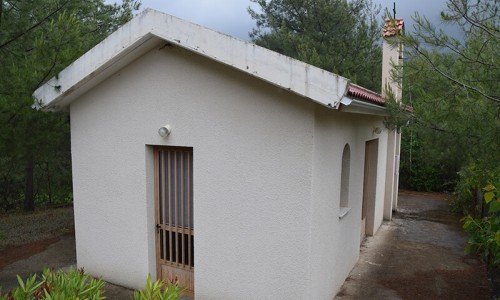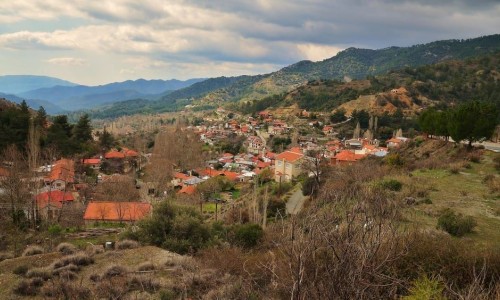


The Agios Georgios Chapel is located in the village of Tala. Tala village is located in the Paphos district at a distance of 8 kilometres from the town centre, in a majestic natural environment.
It neighbours with the monastery of Agios Neophytos (Saint Neophtyos) to the northeast (about 2 kilometres) and with the village Emba (about 4 kilometres). The village is built at an altitude of 280 metres.
More specifically the chapel is situated in the area of Stefani which according to various sources, is the old village Stefano which existed in the area.
The existence of this village can be seen on the map of Cyprus in 1573.
The chapel of Saint George was built on top of the ruins of another church that seems to have existed and was dedicated to Saint Stefano. The chapel was renovated in 1990 from the Holy Monastery of Agio Neophyto, to which the chapel belongs to. The chapel operates on Easter Tuesday and on the 23rd of April as well as the 3rd of November which is when the Saint celebrates.
Near Agios Georgios Chapel - Tala Village
Other places within a short drive, closest first.