Cyprus has been settled for something close to eleven thousand years and occupied in turn by Mycenaeans, Assyrians, Egyptians, Persians, Romans, Byzantines, Franks, Venetians, Ottomans and the British. Its museums are where that sequence is kept. This site documents 75 museums and galleries, listed by district further down the page, and they are more varied than the island’s size suggests.
Archaeological museums
The seven archaeological museums documented here hold what has come out of the ground, and on Cyprus that is a great deal. Three are district museums covering finds from their own region — the Paphos, Limassol and Larnaca archaeological museums — so what you see depends on where you are.
The other four sit at the excavations themselves, which is usually the more interesting way to meet the material: in the place it came from rather than in a case in the capital. The Archaeological Museum of Kourion is at Episkopi, below the ancient city; the Kouklia Archaeological Museum stands in the archaeological area of Kouklia, ancient Palaipafos, housed in a medieval manor of the Lusignan period; the Local Archaeological Museum of Marion-Arsinoe covers the north-west; and the Local Archaeological Museum of Ancient Dali is in Dali village in the Nicosia district.
Byzantine and ecclesiastical collections
Seven Byzantine museums and five ecclesiastical collections hold the icons, manuscripts and church plate that came out of monasteries and village churches, much of it moved for safekeeping. This is some of the best material on the island and it is easy to overlook. If you have visited the painted churches of the Troodos and want to understand what you were looking at, these are where to go next. Several are attached to working monasteries, which means the collection sits a few metres from the tradition that produced it.
Folk and village museums
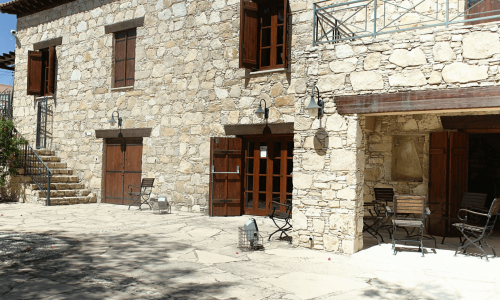
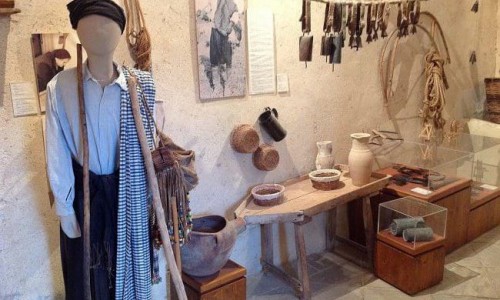
Nine folk museums and a further five village collections cover the part of Cypriot life that the archaeological museums do not: looms and lace, olive and carob presses, bread ovens, farm tools, wedding clothes, the interior of a house as it was actually lived in. They are usually run by the community rather than the state, they are usually housed in a restored village building, and they are frequently the best hour you will spend in that village. Opening arrangements can be informal — some are opened on request by whoever holds the key.
The specialist ones
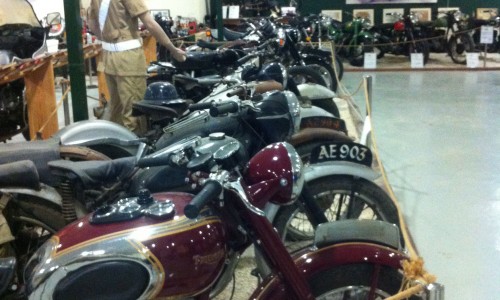
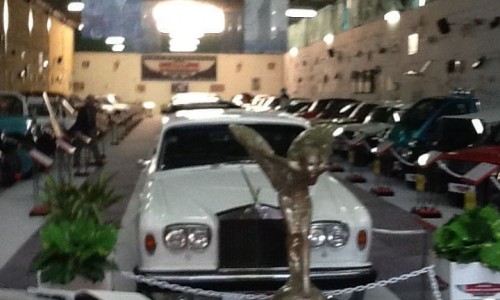
Beyond the main categories the island keeps a scattering of single-subject museums that are worth going out of the way for: two motor museums, two water museums, a wine museum, medieval collections in the coastal castles, and municipal galleries showing modern and contemporary Cypriot art. Two dedicated galleries cover the contemporary scene.
Practical notes
Hours vary far more than they do in northern Europe. Many museums close in the early afternoon, some close one day a week, and summer and winter timetables often differ by a couple of hours. Village and community museums in particular may not keep fixed hours at all. Where a museum has published its hours and admission, the individual page for it here records them; where it has not, calling ahead is worth the trouble. Admission, where it is charged, is generally modest, and several of the municipal and community museums are free.
All the museums and galleries on Cyprus Island
75 museums and galleries documented on this site, grouped by district. 73 of them are plotted on Cyprus in 3D.
Famagusta 5
Larnaca 7
Limassol 21
- Museum of Struggle - Omodos
- Cyprus Wine Musuem - Erimi Village
- Cyprus Historic and Classic Motor Museum
- Limassol Archaeological Museum
- Museum of Byzantine Icons
- Omodos Private Museums
- Medieval Museum of Cyprus (Limassol Castle)
- Water Museum Limassol
- The Municipal Museum of Folk Art- Limassol
- Agridia Ecclesiastical Museum
- Pattichion Municipal Museum - Historical Archive - Limassol Studies
- Archaeological Museum of Kourion
- Zivania Museum - Vasa Koilaniou
- Omodos Photo Exhibition Museum
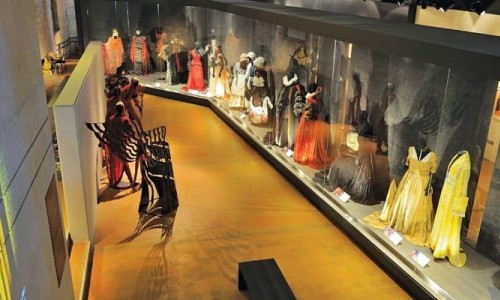
- Cyprus Theatre Museum - Limassol
- Omodos Gallery, Cyprus
- Ecclesiastical Treasury Museum
- Frangoulidi Museum - Agros Village
- Pilavakio Museum, Cyprus
- Carob Mill Museum, Cyprus
- Byzantine Church – Museum of the Great Agros Monastery
Nicosia 24
- Glafcos Clerides Museum
- Cyprus Museum of Natural History
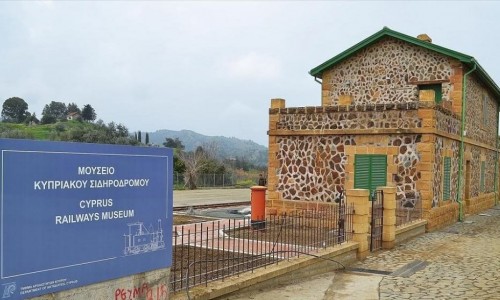
- Cyprus Railway Museum
- The Leventis Municipal Museum of Nicosia
- Folklore Art Museum, Galata
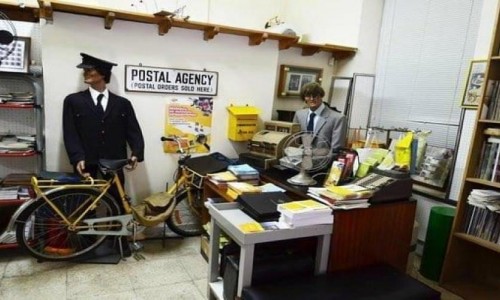
- Cyprus Postal Museum. Nicosia
- Lavrentios House/Museum - Kalopanayiotis Village
- Byzantine Museum Archbishop Makarios III
- Local Archaeological Museum of Dali
- Pen Museum / Von World Pens Hall - Nicosia
- Cyprus Classic Motorcycle Museum - Nicosia
- The National Struggle Museum - Nicosia
- Platanistasa Folklore Art Museum
- The House of Hadjigeorgakis Kornesios
- Museum of History of Cypriot Coinage
- Cyprus Museum
- Fairy Tale Museum, Cyprus
- State Gallery of Contemporary Cypriot Art
- Fikardou Rural Museum
- Pedoulas Byzantine Museum
- Linos Museum - Kakopetria Village
- Pedoulas Folkloric Museum
- The Museum of Folk Art / Ethnographic Museum of Nicosia
- Hodjia Water Mill Museum
Paphos 17
- Agios Neophytos Ecclesiastical Museum - Tala Village
- Paphos Archaeological Museum
- Ecclesiastical Museum of Paphos (Byzantine Museum) - Geroskipou
- Evagora Palikaridi Museum - Tsada
- Paphos Ethnographic Museum
- Kouklia Archaeological Museum (Palaipafos)
- Inia Basket Weaving Museum
- Grivas Monument and Agios Georgios Caique Museum - Chloraka
- Tala Cultural Centre
- Fyti Weaving Museum
- Paphos Byzantine Museum
- Museum of Folk Art of Yeroskipou
- Maa - Palaiokastro Museum
- Folk Art Museum Agia Marinouda
- Local Archaeological Museum of Marion-Arsinoe
- Inia Turtle museum
- Folklore Art Museum Amargeti