

Nestled in the heart of the Troodos Mountains, at an altitude of around 667 meters, lies the enchanting village of Kakopetria—a serene escape that combines the allure of history, the tranquility of nature, and the warmth of Cypriot hospitality. Located in the Nicosia District, this village has become a favorite getaway for both locals and travelers seeking a peaceful retreat with character and soul.
Kakopetria is one of the oldest villages in Cyprus, with origins tracing back to the Middle Ages. The name "Kakopetria" is derived from Greek, translating to “bad rock,” a name tied to local legend. According to folklore, a large rock from a cliff fell and crushed a newlywed couple during a wedding celebration, giving rise to the ominous yet intriguing name.
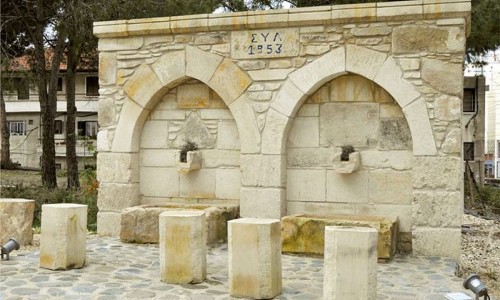
Despite the somber myth, the village today is anything but gloomy. Its cobblestone streets, wooden balconies, and charming stone houses create a warm, storybook ambiance. Walking through Kakopetria feels like stepping back in time, especially in the Old Kakopetria (Palia Kakopetria) quarter—a well-preserved area with architecture dating back to the 18th and 19th centuries.
One of Kakopetria’s most fascinating aspects is its traditional Cypriot architecture. The houses in the old quarter are built closely together, often with upper stories overhanging the narrow alleys below, offering shade and a cozy, intimate feel. Many homes have been carefully restored and converted into boutique guesthouses, cafés, or craft shops, giving visitors a chance to experience village life authentically.
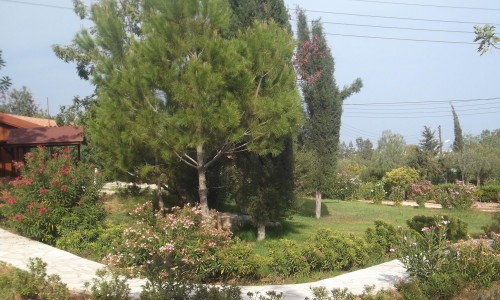
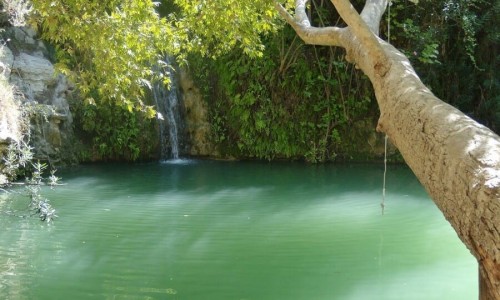
Kakopetria is blessed with a lush, green environment—an anomaly in Cyprus, where arid landscapes often dominate. The village is cradled between the Kargotis and Garillis rivers, which converge to form the Klarios River. These waters provide a refreshing soundscape and contribute to the verdant surroundings.
The nearby Troodos forest offers excellent opportunities for hiking and exploring. The Nature Trail of Kakopetria, a well-marked path through pine-scented forests and past ancient water mills, is a favorite for nature lovers. During autumn, the foliage turns golden and red, creating a truly magical scene, while in winter, snow sometimes dusts the mountaintops—a rare sight in Cyprus.
Kakopetria is home to several notable churches, many of which are UNESCO-listed:
- Agios Nikolaos tis Stegis (St. Nicholas of the Roof): Located just outside the village, this Byzantine church from the 11th century is renowned for its remarkable frescoes that span several centuries. It’s one of the most important Byzantine monuments on the island.
- Church of the Transfiguration of the Saviour (Metamorphosis tou Sotiros): A beautiful 16th-century church in the village center, known for its icons and detailed wood-carved iconostasis.
These churches are not just places of worship—they are keepers of history, art, and tradition.
Life in Kakopetria moves at a gentle pace. It’s a place where you’ll see locals tending their gardens, baking bread in stone ovens, and greeting each other by name. The village maintains many traditional customs, particularly around festivals and religious celebrations, which are open to visitors.
There’s also a small Folklore Museum, showcasing rural life in Cyprus with exhibits of traditional tools, clothing, and household items, offering a deeper appreciation of the region’s cultural roots.
No visit to Kakopetria is complete without indulging in Cypriot mountain cuisine. The village’s tavernas serve hearty dishes like:
- Tavas (slow-cooked meat with vegetables and herbs),
- Moussaka,
- Grilled halloumi,
- and Loukoumades (honey-drenched fried dough balls).
Many ingredients are locally sourced—especially olives, fruits, and herbs grown on the surrounding hills. Don't forget to try zivania, a strong local spirit, to round off your meal
Each season paints Kakopetria in a different light:
- Spring brings wildflowers and festivals.
- Summer is lively but cooler than coastal cities thanks to the mountain breeze.
- Autumn is ideal for hiking and photography.
- Winter is cozy and romantic, especially by the fireplaces of local inns
While Kakopetria is still relatively undiscovered by mass tourism, its charm is undeniable. It has quietly earned a reputation as one of Cyprus’ must-visit villages. Whether you’re a history buff, a nature enthusiast, or simply someone in need of a scenic escape, Kakopetria delivers.
Kakopetria is more than just a village—it’s a living tapestry of history, culture, and nature, offering visitors a window into a Cyprus that remains beautifully untouched by time. Come for a day, stay for a weekend, and you might just leave with a deep sense of calm and connection.
Near Kakopetria Village
Other places within a short drive, closest first.