

High in the centre of Cyprus, where the air cools, the light softens, and the island’s rhythms slow down, lies Troodos National Forest. More than just a protected area, Troodos is a living landscape—one shaped by geology, climate, history, and generations of people who learned how to live with the mountains rather than against them.
For many visitors, Troodos feels like a surprise. Cyprus is often imagined as sun-bleached coastlines and turquoise seas, yet here the land rises into pine-covered slopes, deep valleys, rushing streams, and villages where fireplaces still matter in winter. The forest is a reminder that the island has many faces, and some of its most compelling stories are written far from the shore.
The Troodos Mountains are ancient, formed millions of years ago through volcanic activity on the ocean floor before being pushed upward by tectonic forces. This unusual origin makes the area geologically unique, with exposed layers of rock that are rarely visible elsewhere in the world.
As the land rose, it shaped the climate. Higher elevations brought cooler temperatures and increased rainfall, allowing dense forests to take root. Over time, these forests became the backbone of Cyprus’s water system, feeding springs and streams that supported agriculture and settlement far beyond the mountains themselves.
At the heart of it all stands Mount Olympus, the island’s highest peak. In winter, it can be dusted with snow; in summer, it offers refuge from the heat below. Around it, the national forest spreads out like a green crown, protecting both the land and the life that depends on it.
Troodos National Forest is dominated by Calabrian pine, whose tall, straight trunks and resin-scented needles define much of the landscape. These pines are remarkably resilient, adapted to the mountain climate and capable of regenerating after fire—a crucial trait in a Mediterranean environment.
Alongside them grow golden oaks, strawberry trees, and junipers, adding texture and colour to the forest. In higher, cooler areas, the rare Troodos cedar appears, a symbol of the mountain’s ecological importance. Underfoot, herbs and wildflowers emerge with the seasons, from orchids in spring to hardy mountain plants that cling to rocky slopes.
This diversity creates a layered forest, alive with movement and sound. The wind through the trees, the crunch of needles under boots, and the sudden flash of a bird in flight all contribute to the sense that this is a place still governed by natural rhythms.
Life in Troodos often reveals itself slowly. The forest is home to foxes, hares, hedgehogs, and a rich variety of bird species, many of which rely on the mountain forests for breeding or migration stopovers.
Birdlife is especially notable, with owls calling at dusk and birds of prey circling high above the valleys. Reptiles and insects thrive in the warmer months, while amphibians cluster near streams and shaded pools. Each species plays a role in maintaining the forest’s balance, contributing to an ecosystem that has evolved over thousands of years.
While large animals are rare, the sense of wilderness remains strong. Troodos rewards patience and attentiveness, inviting visitors to slow down and notice the subtle signs of life around them.
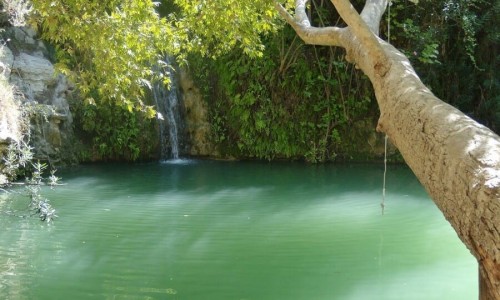
Water is one of Troodos’s quiet miracles. Streams cut through the forest, feeding reservoirs and sustaining life far beyond the mountains. In spring, melting snow and seasonal rains transform valleys into ribbons of green, with waterfalls appearing where rock faces break the flow.
Walking trails criss-cross the forest, ranging from gentle nature paths to longer, more demanding hikes. Many follow old routes once used by villagers, shepherds, or forest workers, linking the natural landscape with human history.
Some paths lead to panoramic viewpoints, others to shaded glens where the air feels noticeably cooler. Together, they offer countless ways to experience the forest—whether through a short walk or a full day immersed in mountain terrain.
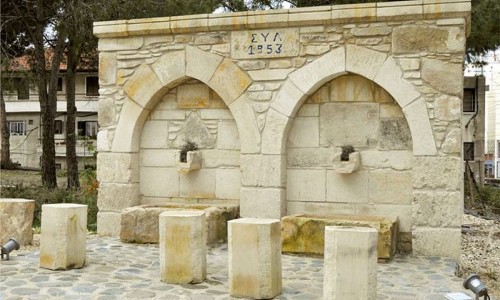
The edges of Troodos National Forest are dotted with villages that have long depended on the mountains for survival. Stone houses, narrow lanes, and small squares reflect a way of life shaped by climate and geography.
These communities cultivated vines, fruit trees, and grains on terraced slopes, using mountain water to sustain their crops. Churches and monasteries, often built in secluded or elevated locations, add a spiritual dimension to the landscape, blending architecture with nature.
Even today, the forest and the villages remain closely connected. Local festivals, food traditions, and crafts carry echoes of mountain life, offering visitors a deeper understanding of how Troodos has influenced Cypriot identity.
Troodos changes dramatically with the seasons. Spring brings wildflowers and flowing water, while summer offers cool refuge beneath dense tree cover. Autumn paints the forest in warmer tones, with crisp air and clear views across the island.
Winter transforms the higher elevations entirely. Snowfall, though not constant, turns the forest into a quieter, more austere landscape. Roads may close, and the mountains take on a sense of isolation that feels worlds away from the coast.
Each season reveals a different character, making Troodos a destination that rewards return visits rather than a single encounter.
As a national forest, Troodos is protected to preserve its ecological, cultural, and hydrological value. Fire prevention, sustainable forestry, and habitat protection are ongoing challenges, especially in the face of climate change.
The forest’s future depends not only on management policies but also on how people choose to experience it. Responsible hiking, respect for wildlife, and an appreciation for the forest’s fragility all play a role in ensuring that Troodos remains a living landscape rather than a static monument.
Troodos National Forest is not a place of spectacle in the conventional sense. Its power lies in atmosphere rather than drama—in the cool shade of pines, the quiet of a mountain trail, and the feeling of distance from everyday noise.
For Cyprus, Troodos is a vital heart, pumping water, air, and life through the island. For visitors, it offers something increasingly rare: space to slow down, to listen, and to reconnect with a landscape that has shaped both nature and culture for millennia.
In a country known for light and sea, Troodos stands as a reminder that depth, shade, and stillness have their own kind of beauty.
Rules of conduct for Visitors
Visitors of picnic and camping sites should follow some basic rules of conduct to ensure the least possible harm to the environment but also to ensure the comfort of other guests.
The most important of these rules are the following:
- Fires permitted only in grills provided. In some picnic areas, such as in Asinou and Athalassa, the lighting of fire is not allowed at all.
- Before leaving the area, make sure the coals that have been used, have extinguished completely, even if you have stored them in the premises that may exist for this purpose.
- The use of wood and the preparation of food from the forest is not allowed. Every visitor must arrange to have the necessary amount of charcoal.
- Keep the area clean. Collect all the rubbish that have emerged and put them in bins. If for any reason there are no bins or if it is full, then take your trash with you. Do not leave plastic bags outside, because they are usually scattered by stray dogs, foxes etc.
- Do not make unnecessary noises, respect the rights of the others for peace and quiet.
- Cutting plants, tree bark harassing nests, damaging the environment are banned by the forestry legislation.
- Park your car in parking lots and not next to the tables.
- Use the water with caution. Don't waste it.
- Solicit other guests to obey by the basic rules of conduct.
If you notice a fire, immediately call the number 1407 (24 hours, toll-free)
Near Troodos National Forest Park
Other places within a short drive, closest first.