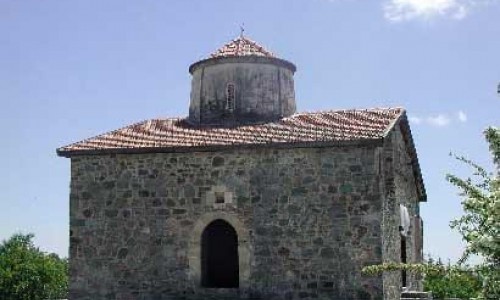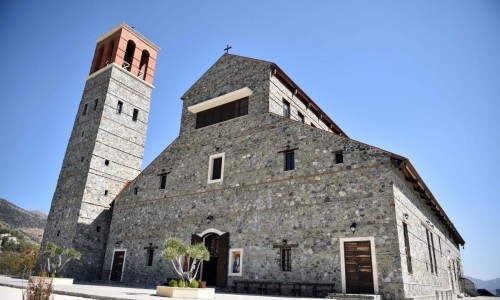

Panagia and Chrysosotiros Church - Kyperounta
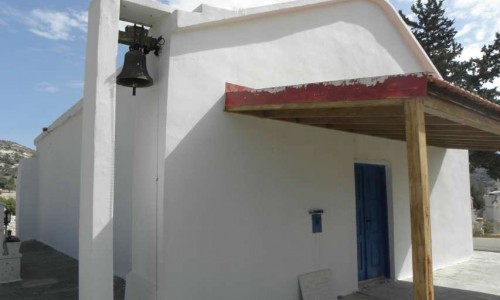
High in the Troodos mountains, Kyperounta feels like a village that lives in fresh air—pine-scented winters, cool summers, and a pace that naturally slows you down. In that setting, the Church of Panagia & Chrysosotiros isn’t just another landmark. It’s the kind of place that quietly explains the village: modest on the outside, layered on the inside, and carrying a story that stretches across centuries.
This church is often described as small and “cosy,” but that description misses what makes it special. Its importance isn’t about size. It’s about identity—because the church is dedicated to two holy figures at once, and its architecture reflects that duality in a way you can actually feel as soon as you step in.
A church shaped by the mountains
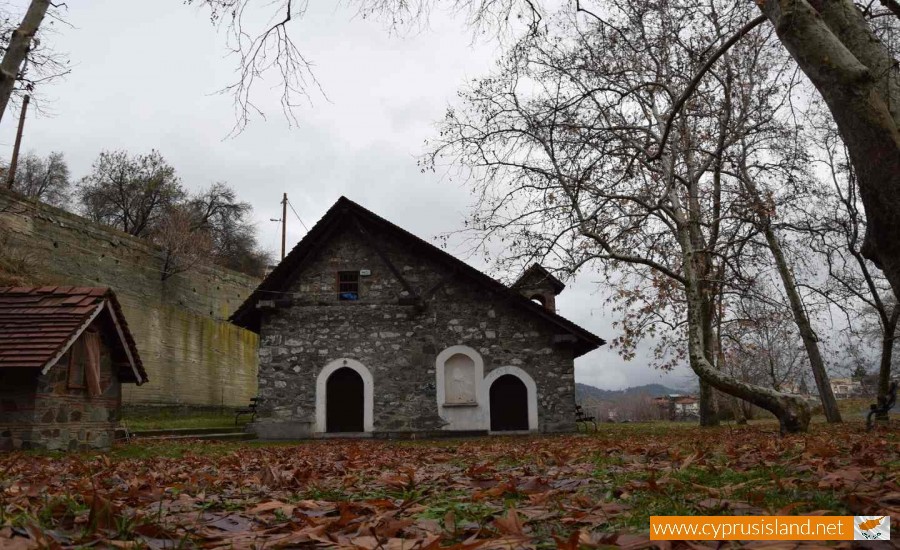
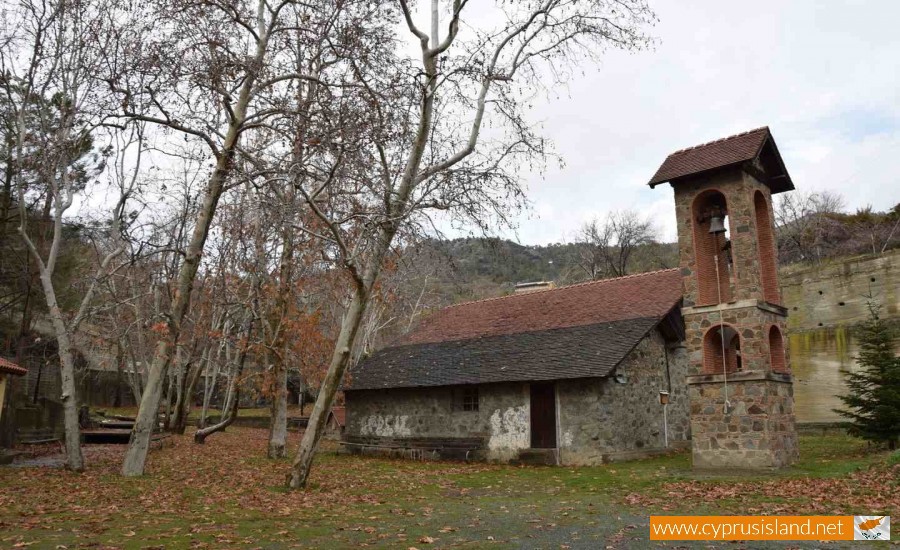
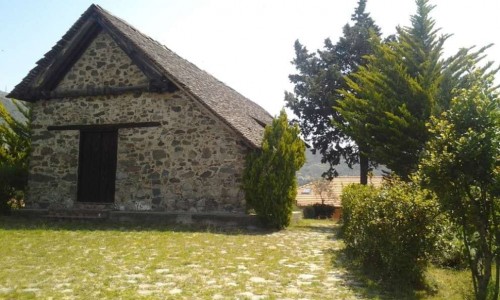
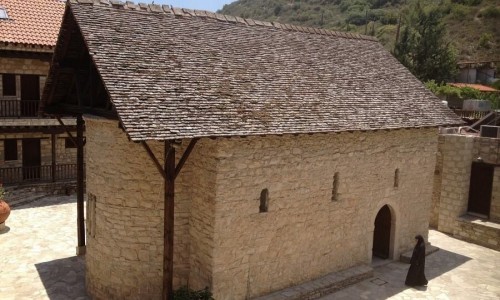
Mountain churches in Cyprus have their own language: practical, protective, built for weather as much as worship. The Church of Panagia & Chrysosotiros belongs to that tradition, commonly classified as a two-aisled, timber-roofed basilica—a form strongly connected to the Troodos region.
The wooden roof matters more than people assume. It isn’t just a “style.” It’s a response to mountain life:
- heavy rains and occasional snow,
- colder nights,
- a need for a structure that can “breathe” and endure.
There’s a warmth to these interiors that stone-only churches rarely achieve. Wood softens sound, warms the light, and creates an atmosphere that feels intimate even when you’re standing in a sacred space.
Two aisles, two dedications, one living tradition
The church’s name tells you immediately that it carries a double dedication:
- Panagia (the Virgin Mary) — the most beloved figure in Orthodox devotion across Cyprus
- Chrysosotiros (“the Golden Savior”) — a title connected to Christ the Savior, closely tied in many places to the Transfiguration
This dual dedication is not only symbolic. The church is widely associated with being two-aisled—a physical expression of the “two-in-one” character. Whether you view it as two sanctuaries joined together or as one church hosting two devotional identities, the result is the same: the building feels like it holds more than one story at once.
And that sense of layered identity becomes even more striking when you learn about the church’s past.
A rare historical detail: shared worship and a complicated era
One of the most fascinating elements connected to this church is the tradition that during the Venetian period it functioned as a kind of shared sanctuary, serving both Orthodox and Catholic worshippers.
Cyprus history is full of overlapping authorities and shifting pressures—Byzantine, Lusignan/Frankish, Venetian, Ottoman, British. But it’s not every day you find a small mountain church that carries a memory of interdenominational coexistence in its very identity.
Whether that coexistence was peaceful, practical, or shaped by politics, it leaves the church with a rare atmosphere: it feels like a quiet witness to a time when identity in Cyprus wasn’t always neatly separated into simple categories.
Inside the church: icons, woodwork, and a sense of continuity
Step inside and the feeling changes. The mountain air stays outside, and the interior becomes calmer—dimmer, warmer, more personal. What many visitors remember most strongly is not a single dramatic feature, but the overall “age” of the space: the sense that worship has been happening here for a very long time, in a very consistent way.
The church is known for preserving elements such as:
- an older iconostasis (the screen separating the sanctuary),
- carved and painted woodwork,
- and icons dating back centuries, including important representations of the Virgin and of Christ.
Even if you’re not an expert in iconography, you can feel the difference between “decorative religious art” and an icon that has been prayed before for generations. Older icons don’t just look old. They look handled by time—darkened slightly, softened, and somehow more serious.
This is the magic of small historical churches: they don’t overwhelm you with grandeur. They invite you to notice details.
The feast day: when the church becomes the village’s heartbeat
Churches like this are not just visited—they are lived, especially on feast days.
The dedication to Chrysosotiros often connects in local tradition with the Transfiguration, celebrated on 6 August. In villages, feast days aren’t simply “a religious event.” They’re the moment the sacred and the social meet:
- liturgy and candles,
- family gatherings,
- the village feeling temporarily enlarged by return visitors,
- and that strong Cypriot sense that faith is also community.
Even if someone isn’t particularly religious, feast days still function as cultural anchors: they remind people where they belong.
The setting: why the location matters as much as the building
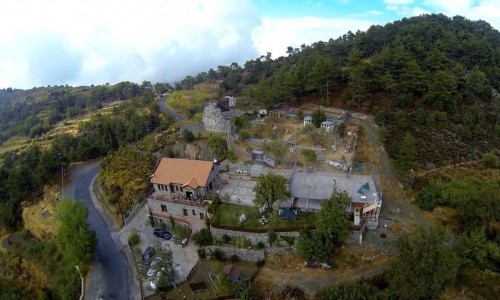
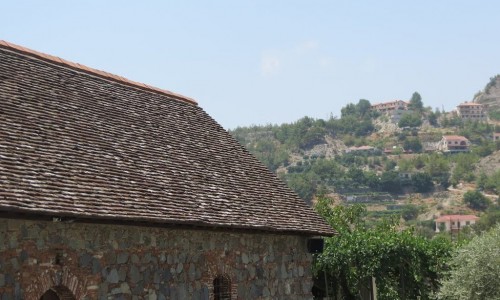
Kyperounta sits at altitude, and that changes everything. The air is sharper. The light is cleaner. Trees frame views. Seasons feel more dramatic than in the lowlands.
That means the church is never experienced the same way twice:
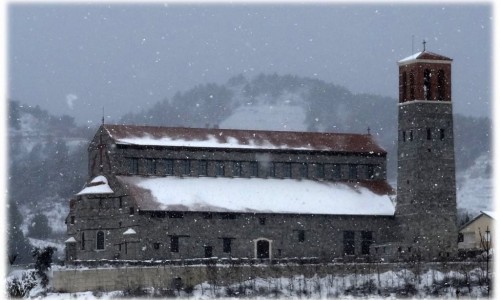
- In winter, it feels protected—like a refuge against cold and weather.
- In spring, it feels surrounded by renewed life.
- In summer, it becomes a cool pocket of shade and stone.
- In autumn, it feels nostalgic, almost cinematic, as the village shifts tone.
Many people describe the church area as calm and park-like, a place where you naturally slow down before you even enter. That approach matters. Sacred spaces are often designed to change your pace—so your mind arrives before your body does.
A church that feels “small” only if you measure it wrong
If you measure by size, it’s a modest village church.
If you measure by what it carries, it’s enormous.
Because this church holds:
- a mountain architectural tradition built for survival,
- a dual dedication that shapes identity and worship,
- echoes of a complicated historical period,
- and a continuity of devotion expressed through icons, woodwork, and lived ritual.
In Cyprus, churches like Panagia & Chrysosotiros are not museums. They are living memory. They connect generations not through words, but through repeated acts: lighting a candle, kissing an icon, standing quietly, returning on a feast day, bringing a child for a blessing, saying a name under your breath.
That’s why the Church of Panagia & Chrysosotiros matters: it’s a reminder that the most powerful heritage is often the kind that still functions—quietly, faithfully, and without needing to advertise itself.