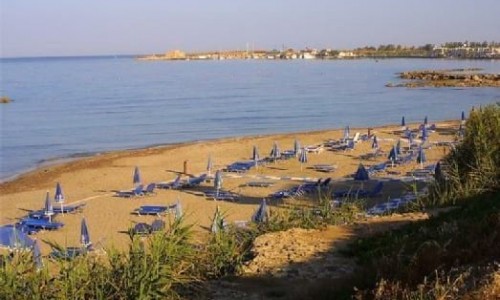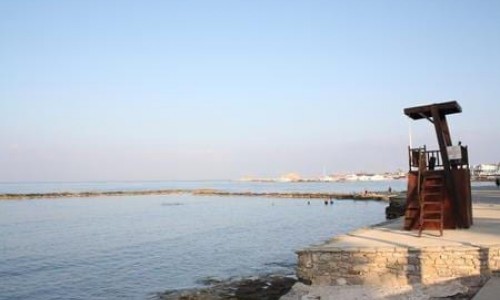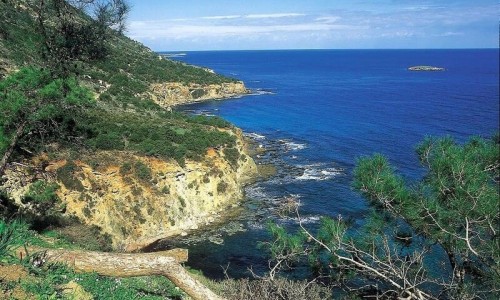

Tucked away on the Paphos coastline, the Pomos Fishing Shelter is a tranquil escape from the hustle and bustle. It reflects the age-old traditions of fishing that have been passed down through generations.
Unlike larger harbors, Pomos exudes an air of simplicity. Traditional wooden boats bob gently against the calm waves, while fishermen mend their nets, immersed in tales of the sea. The rhythmic sounds of the waves, paired with the distant calls of seagulls, create an ambiance of peace and nostalgia.
A walk around the shelter promises encounters with locals who are always keen to share stories. The small cafes lining the shelter serve freshly caught fish, making it a culinary haven for seafood lovers. As the sun sets, the shelter often becomes a gathering point for locals, making it an excellent spot to soak in the local culture.
Pomos Fishing Shelter is where time seems to slow down, allowing visitors to savor the unspoiled beauty of Paphos's coastal charm and engage with a community deeply connected to the sea.
Near Pomos Fishing Shelter
Other places within a short drive, closest first.