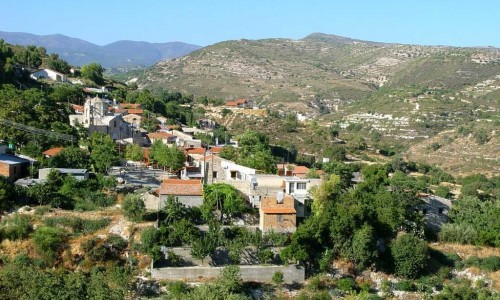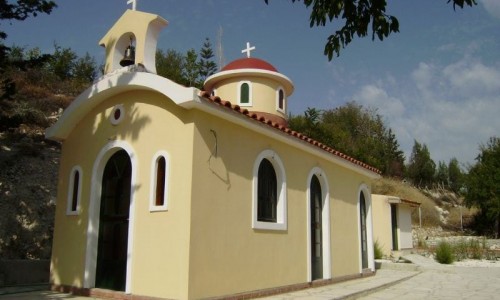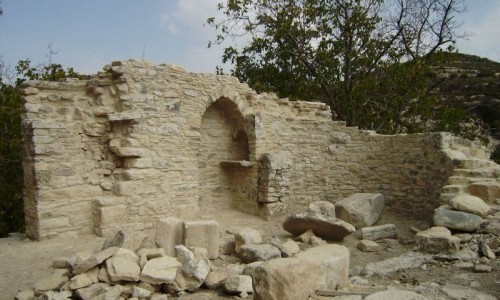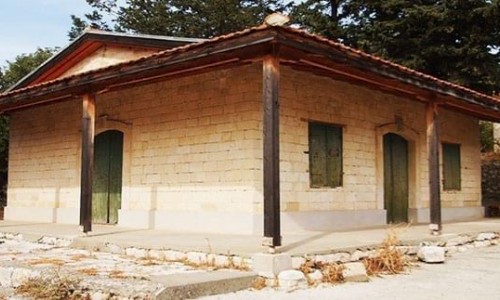


Perched in the tranquil mountain village of Pano Panagia, high in the Paphos foothills, the Church of Panagia Eleousa is a small but profound landmark. Dedicated to the "Merciful Virgin"—an echo of the venerable Kykkos icon—it’s a place where faith, tradition, and centuries of kindness meet.
A Sturdy Basilica Rooted in Legend
The church dates back to the 14th century, built in elegant basilica form—simple and respectful of its humble origins. Measuring roughly 40 by 16 feet, the building features a wooden roof under its traditional pitched tiles, and its walls are stone-built, blending naturally into the surrounding cypress and cedar groves.
Despite its modest scale, Panagia Eleousa has long held spiritual significance. When historic cholera outbreaks upended nearby villages, local legend says the Virgin appeared, asking villagers to wrap cotton threads around the church—after which the disease subsided. To honor this, spools of white cotton thread are still tied around the church today during times of illness and on August 15, its annual feast day.
Interior Beauty in Simplicity
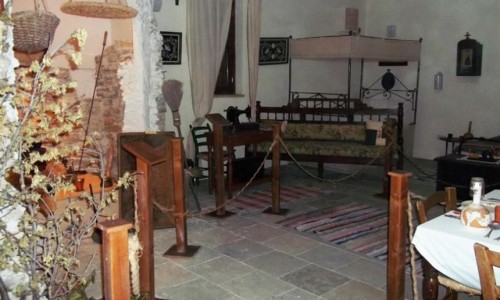
Inside, the sanctuary is unadorned but serene. A modest iconostasis carries simple religious carvings and harbors a collection of weathered icons dating from recent centuries. Frescoes and murals are few but meaningful, framing scenes such as the Annunciation and the figure of the Virgin Merciful (Eleousa), whose icon is revered. The altar area is intimate, and natural light filters softly through narrow windows, creating a quiet glow that suits contemplation.
Because the church is made largely of stone and wood, with minimal flooring and brush-stroked walls, it retains a rustic stillness—far from polished cathedrals but deeply spiritual in character.
Customs That Still Live
The custom of wrapping cotton thread around the church continues—especially on August 15 (Assumption Day)—when villagers and visitors alike place their threads in the courtyard to seek protection and blessing. Other significant dates include February 2, March 25, September 8, November 21, and December 26; on these holy days, local residents gather in simple services under the sharply angled roof to honor the Virgin.
Despite occasional use, the church remains largely unstaffed; visits are quiet, respectful affairs. Visitors often pause on the stone steps outside, appreciating the shade of cypress trees or sitting beneath the sky with a view across forested hills.
Who Is Drawn Here—and Why?
Panagia Eleousa Church appeals especially to:
- Pilgrims and faithful pilgrims seeking solace through tradition and miracle
- Travelers searching for calm—a place of quiet reflection amid Cyprus’s hill villages
- Cultural historians and art lovers curious about Byzantine-era architecture and local customs
- Village pilgrims who trace familial spiritual ties to this sanctuary
Here, the pace is unhurried, the gaze is inward, and no guide has polished the walls—everything feels genuine and grounded.
Tips for Visiting
- Visit in early morning or late afternoon—light lingers beautifully in the courtyard and interior.
- Dress modestly—shoulders covered and ankles out of respect for church decorum.
- Bring a little thread or ribbon if visiting August 15 or during illness, to partake in the cotton-wrapping custom.
- Pair your visit with a walk through the village or a tasting of local wines—Panagia and Vouni Panayias vineyards are renowned.
- Respect silence—this is as much a place of prayer as it is of memory and tradition.
The church of Panagia Eleousa in Pano Panagia offers a rare experience—a stepping into traditional faith without ceremony or exaggeration. It’s a small stone building at first glance, but through its walls flow stories of healing, devotion, and enduring legacy.
Near Panayia Eleousa Church - Panagia Village
Other places within a short drive, closest first.