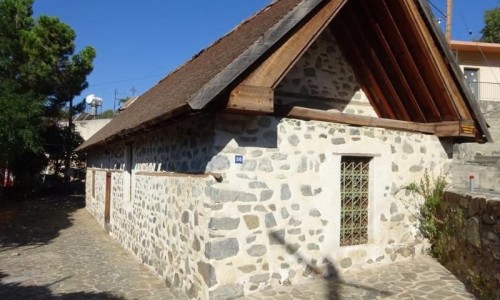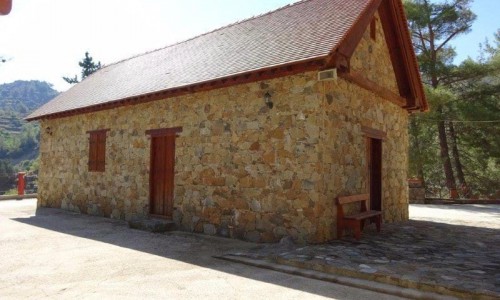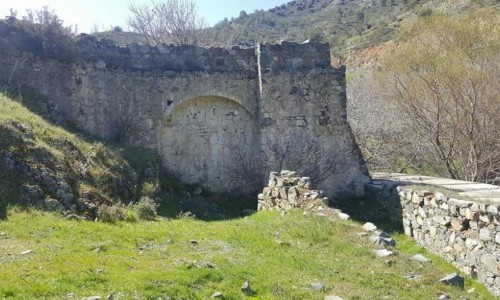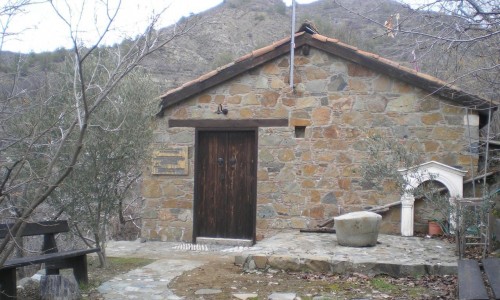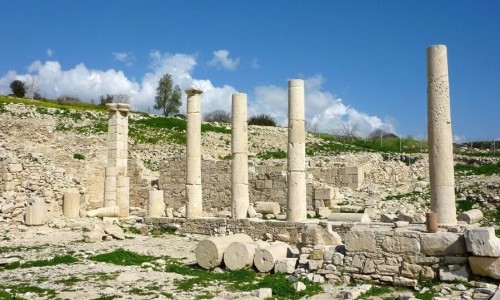
The ruins of the Chapel of Agios Georgios in Anarita are a quiet and atmospheric reminder of the deep religious heritage found throughout the rural landscapes of the Paphos district. Surrounded by open countryside and the warm natural colours of Cyprus, the surviving structure possesses a simple but powerful beauty. Unlike the island’s larger archaeological attractions, the chapel does not impress visitors through grand dimensions or elaborate decoration. Its appeal comes from its weathered stone walls, its impressive arched entrance and the peaceful atmosphere created by a sacred building that has endured despite the passing of time. The roof may no longer survive, but the outline of the original chapel remains clearly visible, allowing visitors to imagine how it once appeared and how important it may have been to the local community.
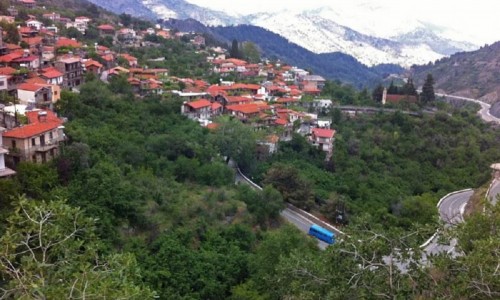
Anarita is a traditional village in the Paphos district, situated within a landscape shaped by agriculture, rural life and long-established religious customs. The surrounding countryside contains fields, low hills and cultivated land that reflect the village’s close relationship with farming. In earlier times, small churches and chapels were often built beyond the centre of Cypriot villages, serving farmers, shepherds and residents who spent much of their daily lives working in the countryside. These modest places of worship allowed people to pray, light candles and honour their patron saints without travelling far from their homes or fields. The Chapel of Agios Georgios appears to have formed part of this wider tradition, standing as a spiritual landmark within the rural environment of Anarita.
The dedication of the chapel to Saint George gives the site particular religious importance. Agios Georgios is one of the most widely honoured saints in Cyprus and throughout the Orthodox Christian world. He is traditionally associated with courage, protection, strength and the victory of good over evil. His image as a mounted warrior defeating a dragon is one of the most recognisable symbols in Christian art, representing faith overcoming danger and adversity. Across Cyprus, churches and chapels dedicated to Saint George can be found in villages, mountain regions, farming areas and coastal communities, demonstrating the strong devotion that generations of Cypriots have shown towards him.
Although the complete history and original construction date of the chapel are not clearly recorded, its surviving architecture provides valuable clues about its character. The building was constructed from local stone, using materials that allowed it to blend naturally with the surrounding landscape. The entrance is one of the most striking surviving features, formed by a large and carefully built stone arch. The shaped blocks around the doorway reveal a level of craftsmanship that contrasts beautifully with the rougher stonework of the surrounding walls. Passing beneath the arch gives visitors a strong sense of entering a separate and sacred space, even though the interior is now open to the sky.
Inside the ruins, the tall surviving walls preserve the form and dimensions of the former chapel. The missing roof allows sunlight to fall directly into the interior, changing the appearance of the stonework throughout the day. In the morning, softer light enters the space and creates a peaceful atmosphere, while the stronger midday sun highlights the textures, cracks and uneven surfaces of the old masonry. Later in the afternoon, shadows stretch across the walls and ground, adding to the site’s sense of age and mystery. The open sky above the chapel creates a striking contrast with the enclosed stone walls, making the interior feel like both a ruin and a sacred courtyard.
At the far end of the ruined building stands a small modern shrine containing religious icons. This carefully maintained feature shows that the location has not lost its spiritual significance. Although the original chapel is no longer complete, people continue to respect the site as a place of prayer, devotion and remembrance. Visitors may light candles, leave offerings or pause quietly before the icons. The presence of this shrine creates a moving connection between the historic ruins and the living religious traditions of the present day.
The original interior of the chapel would probably have been modest and simple. It may once have contained an iconostasis, oil lamps, candles and an icon of Saint George placed near the sanctuary. The roof may have been constructed from timber and covered with traditional tiles, while the interior walls may have carried basic religious decoration or painted images. Small countryside chapels were rarely luxurious, but their importance did not depend on elaborate architecture. Their value came from the faith of the people who visited them and from the role they played in the spiritual life of the community.
For the residents of Anarita and the people who worked in the surrounding countryside, the chapel may once have served as a familiar place of comfort and protection. Farmers may have stopped there before beginning their work, asking Saint George for strength and a successful harvest. Shepherds passing through the area may have paused to pray for the safety of their animals and families. During difficult periods, local people may have visited the chapel to seek hope, healing or guidance. These everyday acts of devotion helped connect religious belief with the practical realities of rural life.
The chapel may also have become a gathering place during the feast days of Saint George. On such occasions, the normally quiet site could have been filled with worshippers from Anarita and neighbouring communities. Families may have travelled to the chapel carrying candles, food and offerings, while religious services were held inside the small building. People could have gathered outside after the service, sharing meals, exchanging news and strengthening community relationships. These celebrations were not only religious events but also important social occasions through which traditions were passed from one generation to another.
The gradual decline of the chapel may have resulted from changing patterns of settlement and worship. As populations moved, roads changed and newer churches were built closer to village centres, isolated countryside chapels sometimes received fewer visitors. Once regular maintenance stopped, small problems could quickly become serious. Damage to the roof would have allowed rainwater to enter the building, weakening the timber and stonework. Vegetation may have grown around the walls, while repeated exposure to heat, wind and seasonal rain gradually caused sections of the structure to collapse.
Despite the loss of the roof and parts of the building, the surviving ruins remain remarkably substantial. The high walls and arched entrance preserve much more than a simple foundation, allowing visitors to understand the scale and arrangement of the former chapel. The entrance in particular gives the site a monumental quality, framing the interior and directing the eye towards the small shrine at the opposite end. The view through the arch is one of the most memorable aspects of the location, combining old stone, open sky and religious devotion within a single scene.
The ruins also demonstrate the traditional building techniques used in rural Cyprus. Large, carefully cut stones were used around the entrance to create strength and a more formal appearance, while smaller irregular stones formed much of the surrounding walls. This combination of materials reflects both practicality and craftsmanship. Builders used what was available locally, adapting the chapel to the landscape and climate. The thick stone walls would have helped keep the interior cooler during the hot summer months and provided protection during periods of rain and wind.
The natural surroundings contribute greatly to the peaceful atmosphere of the site. Depending on the season, the landscape around Anarita may appear green and fresh or dry and golden. During spring, wildflowers and new vegetation can soften the appearance of the ruins, while the clear blue sky creates a vivid contrast with the pale stone. In summer, the warm sunlight intensifies the earthy colours of the walls and ground, giving the chapel a distinctly Mediterranean character. Every season changes the appearance of the site while preserving its quiet and timeless quality.
The silence within the ruins encourages reflection. There are no large crowds, elaborate displays or modern facilities to distract from the structure itself. Visitors hear the movement of the wind, the sound of birds and the distant activity of the surrounding countryside. These simple natural sounds strengthen the feeling that the chapel exists slightly apart from modern life. The site offers an opportunity to slow down, observe the surviving details and think about the generations who once gathered there.
Even in its ruined condition, the chapel continues to feel sacred. The orientation of the building, the surviving walls and the presence of religious icons preserve the identity of the space. Many abandoned religious buildings lose their original function completely, but the Chapel of Agios Georgios remains connected with worship and local devotion. The small shrine demonstrates that the people of the area continue to value the site, not merely as an old monument but as a place with spiritual meaning.
The ruins form part of the broader cultural landscape of Anarita and rural Paphos. Small chapels such as this can reveal important information about earlier settlement patterns, religious practices and community life. Their location may show where old paths once passed or where agricultural activity was concentrated. Their construction reveals how local materials were used, while their dedication reflects the saints and traditions that were especially important to nearby residents.
Places like the Agios Georgios ruins are valuable because they preserve the history of ordinary people. Large monuments often tell the stories of rulers, wealthy patrons and major historical events, but small countryside chapels reflect the daily lives and beliefs of local communities. They were built and maintained by people whose names may no longer be remembered, yet their faith and labour remain visible in the surviving stonework. The chapel stands as evidence of their devotion and their desire to create a sacred place within the landscape.
The site is especially attractive to photographers because of the way the surviving arch frames the interior. Looking through the entrance, the viewer can see the roofless stone walls, the blue sky and the small shrine positioned at the far end. This composition creates a strong sense of depth and draws attention to the relationship between the past and present. The rough textures of the ancient walls contrast with the carefully maintained religious icons, producing an image that is both visually striking and emotionally meaningful.
Visitors should approach the ruins carefully and respectfully. Old masonry can be unstable, and climbing on the walls or moving stones may cause permanent damage. Every surviving section contributes to the historic character of the chapel, and even a small disturbance can weaken the structure. The shrine and religious objects should also be treated with the same respect given to any active place of worship. Quiet observation and responsible photography allow visitors to appreciate the site without affecting its preservation.
The conservation of small rural monuments can be challenging because they do not always receive the same attention as famous archaeological sites. Exposure to the elements, vegetation and natural ageing continue to threaten the surviving stonework. Careful stabilisation, documentation and maintenance could help preserve the chapel while retaining its authentic ruined appearance. The goal of conservation would not necessarily be to reconstruct the building completely, but to protect the walls, arch and sacred character that remain.
Further historical or archaeological study could reveal more about the chapel’s origins and period of use. Specialists could examine the construction methods, stone types, layout and orientation of the building. Objects or pottery fragments from the surrounding area might provide clues about the people who visited the chapel and the period during which it was active. Local oral traditions could also preserve stories about religious celebrations, miracles or community events connected with Saint George.
Until more detailed information becomes widely available, the chapel remains surrounded by a degree of mystery. This uncertainty adds to its appeal and encourages visitors to use their imagination. Standing beneath the old arch, it is possible to picture the structure as it may once have appeared, with a complete roof, glowing candles and the scent of incense filling the interior. Worshippers may have gathered before an icon of Saint George, offering prayers while the countryside remained quiet beyond the walls.
A visit to the ruins can be combined with an exploration of Anarita village and the surrounding Paphos countryside. The area offers a quieter side of Cyprus, away from the busiest coastal resorts and tourist attractions. Traditional village streets, agricultural landscapes and small religious monuments reveal the close relationship between community, faith and the land. Exploring such places allows visitors to experience the history of Cyprus in a more personal and peaceful way.
The Agios Georgios ruins in Anarita are therefore much more than the remains of an abandoned building. They represent centuries of faith, local craftsmanship and community memory. The chapel’s tall stone walls, impressive arched entrance and modern shrine create a powerful meeting point between history and continuing religious devotion. Although the building has been changed by time and exposure, it has not lost its identity.
Standing silently within the landscape of Anarita, the ruined chapel continues to invite visitors to pause and reflect. Its weathered stones tell a story of endurance, while the icons inside demonstrate that devotion can survive even when a building is no longer complete. The Chapel of Agios Georgios remains a peaceful and evocative landmark of rural Paphos, preserving the memory of the people who once worshipped there and the traditions that continue to give the site meaning today.
Near Agios Georgios Church Ruins - Anarita
Other places within a short drive, closest first.