
Kyperounta Village
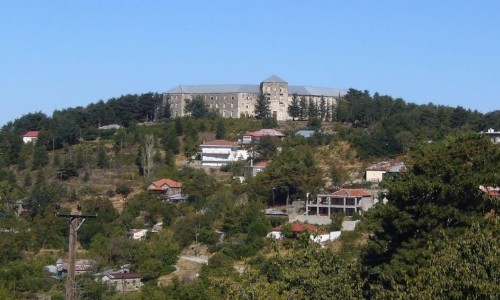
Nestled on the slopes of the majestic Troodos Mountains, Kyperounta is a picturesque village in Cyprus that offers a unique blend of natural beauty, history, and vibrant local culture. With its cool mountain air, panoramic landscapes, and deep-rooted traditions, Kyperounta is a destination that captures the essence of rural Cypriot life – far from the bustle of the coast and modern city centers.
A Village Rich in History
Kyperounta’s history is intertwined with the broader story of Cyprus’s mountain communities. Traditionally, villages in the Solea Valley played an important role in the island’s agricultural and mining activities. The fertile land and temperate climate made Kyperounta ideal for cultivation of fruit, olives, and grapes, while its position near copper and iron ore reserves attracted miners and traders alike.
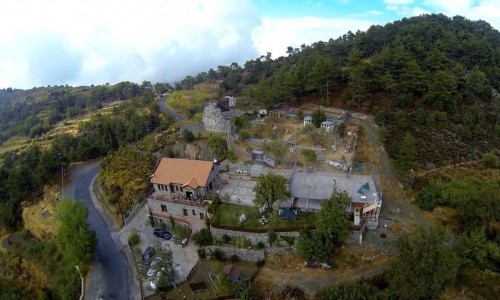
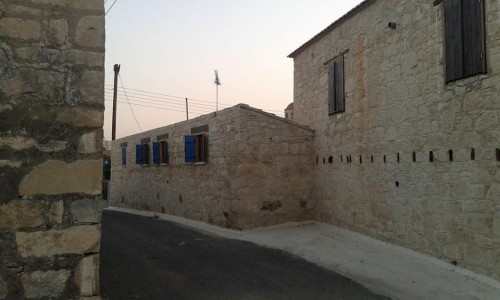
Over centuries, the village has maintained its identity, with stone-built homes, narrow winding streets, and charming squares reflecting an architectural style that has endured through generations. Today, the village stands as both a guardian of tradition and a living community adapting to modern life.
Setting and Natural Beauty
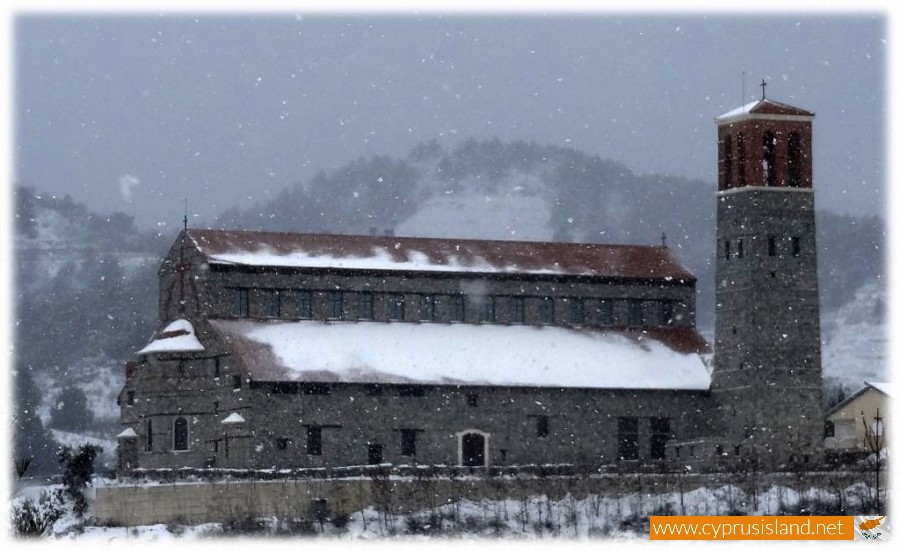
One of Kyperounta’s greatest assets is its stunning natural environment. Perched at around 1,200 meters above sea level, the village enjoys a refreshing climate — particularly welcome during summer months when the lowland heat intensifies. In winter, snow occasionally blankets the surrounding hills, turning the landscape into a serene winter wonderland.
Rolling hills, terraced fields, and dense pine forests frame the village, offering spectacular views in every direction. Hiking trails weave through the countryside, inviting explorers to discover hidden waterfalls, rugged terrain, and native flora and fauna.
In autumn, the valley transforms into a tapestry of warm hues — rich oranges, reds, and golds — contrasting delightfully with the evergreen pines.
Local Life and Cultural Traditions
Kyperounta is a place where tradition is alive and thriving. Festivals and religious celebrations punctuate the community calendar, offering moments of joy, music, dance, and traditional food. The village church often serves as the focal point for many of these events, bringing together families and visitors alike.
Agriculture continues to be an important part of life here. Local farmers cultivate a variety of produce, and traditional methods are often still used — from pressing olive oil to tending vineyards.
It’s also common to encounter village elders sitting at a kafeneio (traditional coffee house), sipping coffee, playing backgammon or dominoes, and sharing stories of days past. These cafes are social hubs where friendships deepen and community bonds are strengthened.
Architecture and Landmarks
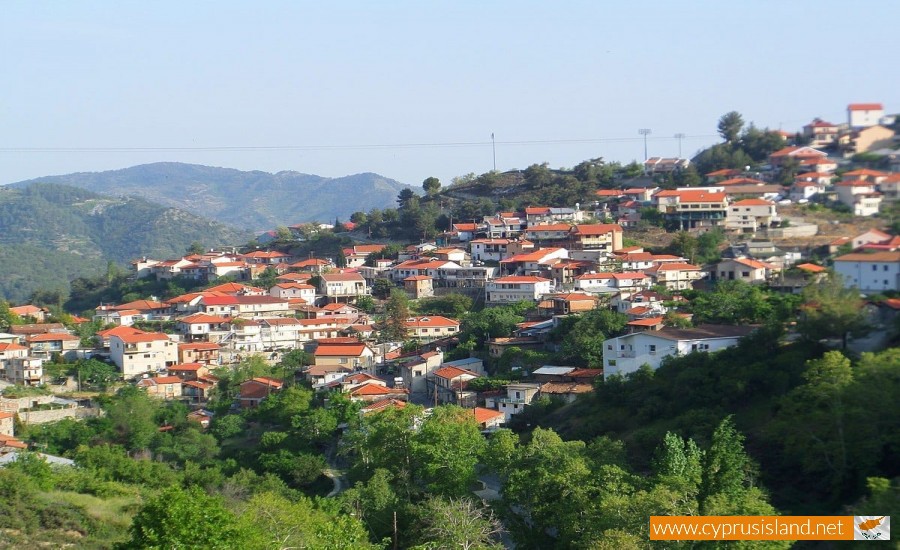
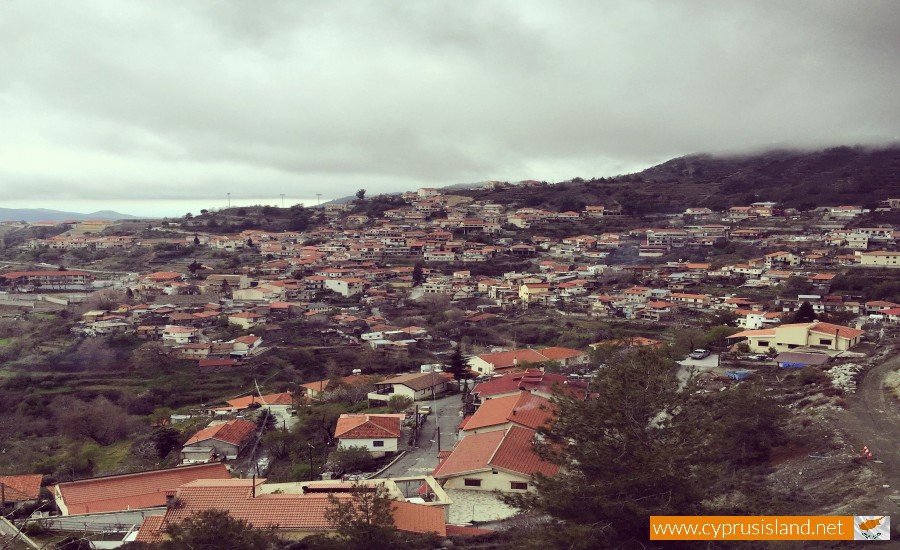
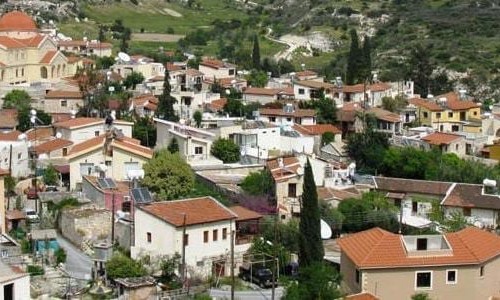
Walking through Kyperounta, you’ll notice how the built environment reflects Cyprus’s rural heritage. Stone houses with red-tiled roofs perch on gentle slopes, while narrow lanes curve through the village like threads in a tapestry.
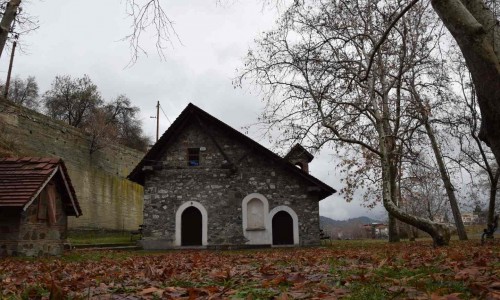
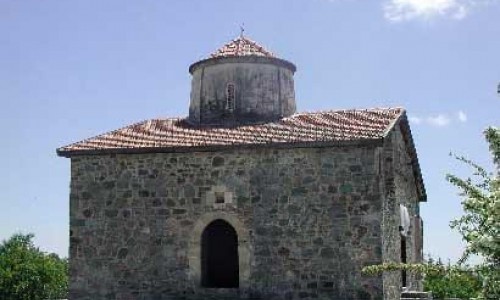
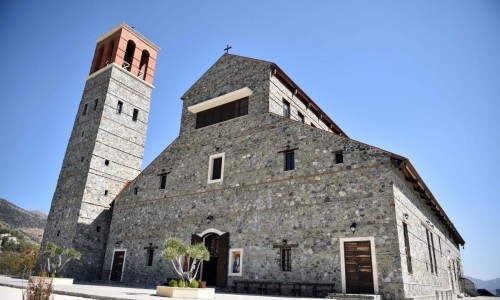
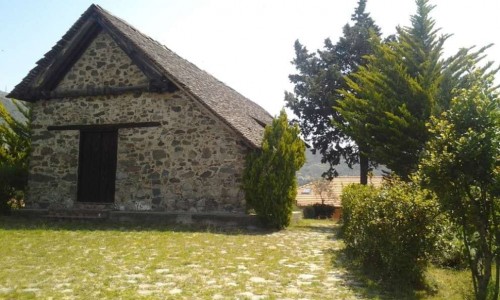
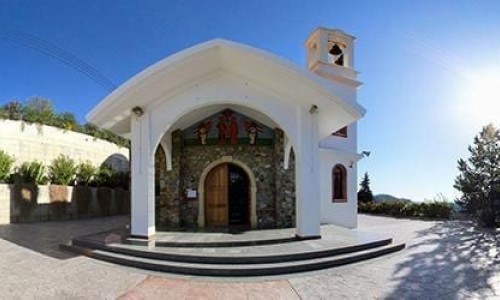
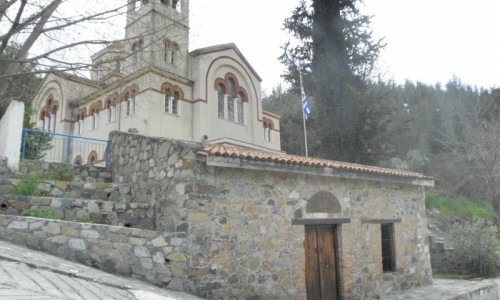
While modest in scale, the village’s churches and chapels hold cultural and spiritual significance. Frescoes and icons inside these sacred spaces offer a glimpse into Orthodox Christian art and heritage.
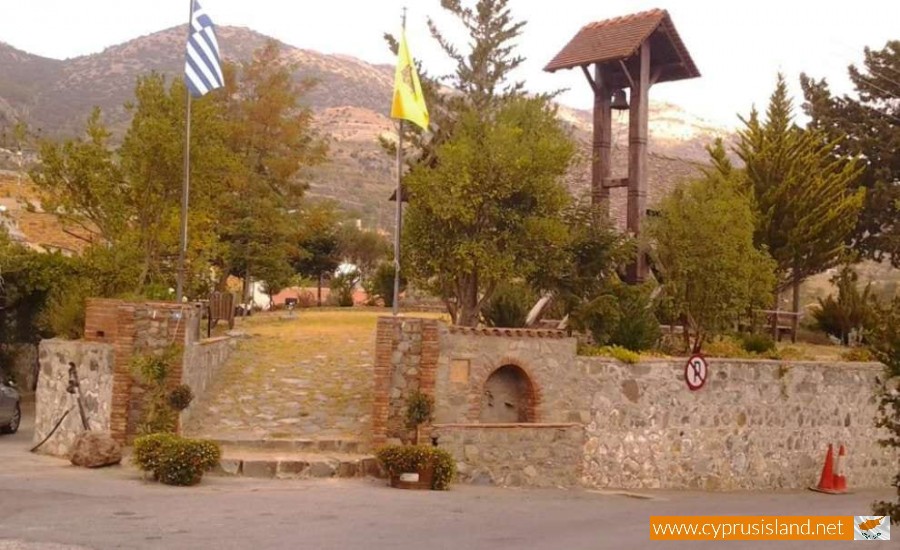
The village square, shaded by trees and lined with benches, is often a lively spot where locals gather — especially in the cooler evening hours.
Cuisine and Local Flavors
Cypriot mountain villages are known for hearty, flavorful cuisine, and Kyperounta is no exception. Local tavernas and home-cooks serve dishes that reflect the land and seasons:
- Freshly baked bread — warm, fragrant, and often enjoyed with local cheese or olive oil.
- Mountain herbs and greens — foraged or grown in home gardens.
- Grilled halloumi and sausages — staples of Cypriot cooking.
- Fruit preserves and sweet treats — often made from village-grown fruits.
Hospitality here is genuine; guests are welcomed as friends, and sharing a meal is more than nourishment — it’s connection.
The Modern Pulse Within a Traditional Setting
While Kyperounta embraces its traditions, it hasn’t been untouched by modern influences. Improved roads and communication links make the village more accessible, and some residents commute to nearby towns for work or education.
Yet, despite these advancements, Kyperounta retains an unhurried rhythm of life. There’s a sense of balance — between old and new, between nature and community, and between solitude and warmth.
Why Kyperounta Matters
Kyperounta is more than a scenic mountain village — it is a living cultural landscape. It represents heritage, resilience, and the quiet beauty of daily life that often goes unnoticed in more commercialized destinations.
Life Through the Seasons
Life in Kyperounta changes dramatically with the seasons, and each one gives the village a different personality.
Spring brings renewal. Almond and fruit trees bloom across the valley, fields turn green, and the air fills with the scent of wildflowers. Locals return to their gardens, pruning vines and preparing the land for cultivation. It’s a season of quiet optimism.
Summer is the village’s busiest time. Families return from cities to their ancestral homes, children fill the streets, and evenings stretch long and cool. Unlike the coastal heat, Kyperounta offers relief — open windows, shaded courtyards, and late-night conversations under the stars.
Autumn is deeply tied to tradition. Harvesting fruits, grapes, and olives becomes a communal rhythm. The mountains glow with warm colors, and kitchens come alive with the preparation of preserves, spoon sweets, and seasonal dishes passed down through generations.
Winter is calm and introspective. Snowfall, though not constant, transforms Kyperounta into a storybook setting. Fireplaces crackle, coffee houses feel cozier, and life slows to its most peaceful pace.
Whether you’re drawn by the allure of nature, the warmth of village hospitality, or the curiosity of history and tradition, Kyperounta invites you not just to visit, but to experience.
For visitors looking to experience rural Cyprus beyond the typical tourist trail, Kyperounta offers authenticity — a chance to connect with the land, the people, and a way of life that still holds deep meaning.
Handcrafts and Traditional Skills
Though modern life has reshaped daily routines, traditional skills remain part of Kyperounta’s identity. Older residents still practice crafts learned from their parents and grandparents — weaving, woodwork, basket-making, and food preservation.
These skills weren’t hobbies; they were necessities. Even today, you’ll find homes where cured meats hang, herbs dry in bundles, and homemade wine rests quietly in storage. There’s pride in self-sufficiency, and knowledge is shared freely among neighbors.
Education, Memory, and Continuity
Education has always played an important role in village life. For many decades, Kyperounta’s school was not just a place of learning, but a cultural center where traditions, language, and shared values were passed on.
Older villagers often recall walking long distances to attend lessons, even in harsh weather — a reminder of how much effort earlier generations invested in preserving knowledge and opportunity.
Today, education connects Kyperounta to the wider world, but the village remains a place where memory is respected. Stories of the past are not archived in books alone — they live in conversations, family gatherings, and everyday life.
Migration and the Pull of Home
Like many mountain villages, Kyperounta has experienced waves of emigration. Economic hardship pushed many residents to seek work abroad or in urban centers, leaving behind empty homes and quiet streets.
Yet, what’s remarkable is how strong the bond to home remains. Many families return regularly, restore old houses, and maintain deep emotional ties to the village. Summer reunions, festivals, and holidays become moments when generations reconnect with their roots.
Kyperounta is a reminder that a place doesn’t lose its soul simply because people leave — sometimes, absence strengthens attachment.
Sustainability and Respect for Nature
Living in the mountains fosters a deep respect for the environment. Water conservation, seasonal eating, and careful land use have long been part of everyday life — not trends, but traditions.
Gardens are cultivated thoughtfully, forests are treated with care, and the surrounding landscape is viewed as something to protect, not exploit. This sustainable mindset gives Kyperounta a quiet relevance in a modern world searching for balance.
Connection to the Wider Troodos Region
Kyperounta doesn’t exist in isolation. It forms part of a broader network of mountain villages, each with its own character yet connected through shared history, trade, and family ties.
Roads winding through pine forests link Kyperounta to neighboring communities, monasteries, and scenic viewpoints. Exploring the area reveals how deeply intertwined the villages of the Troodos are — culturally, economically, and emotionally.
A Place for Slow Travel
For visitors, Kyperounta is ideal for slow, meaningful travel. It’s not a destination for rushing through attractions, but for lingering:
- Walking without a map
- Sitting in silence and listening to the wind
- Sharing coffee with locals
- Watching the light change over the valley
Time feels generous here. Days are shaped by weather, conversation, and simple pleasures.
The Spirit of Kyperounta
At its core, Kyperounta is about continuity — between past and present, people and place, nature and daily life. It teaches that progress doesn’t have to erase tradition, and that beauty doesn’t need to be loud to be profound.
Kyperounta doesn’t ask to impress. It simply exists — quietly, confidently, and with a depth that reveals itself to those willing to slow down and pay attention.