
Kapedes Village
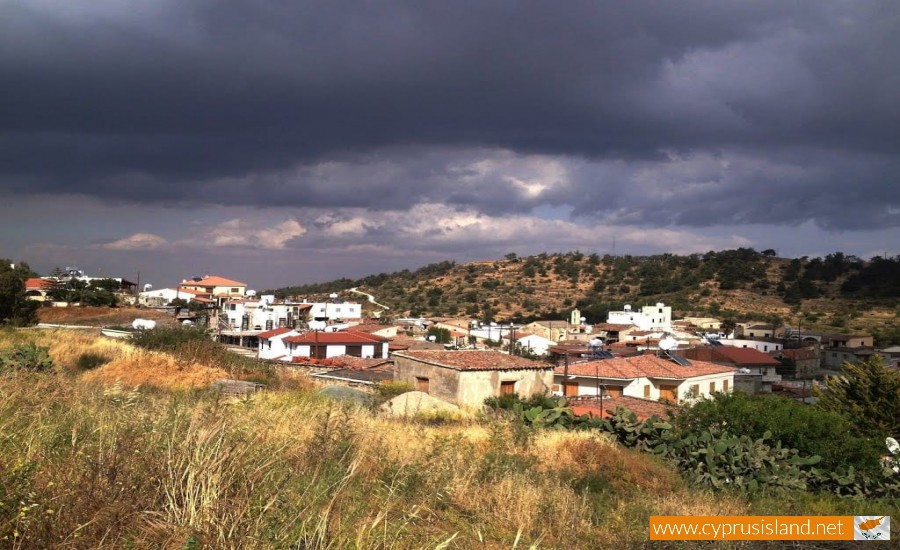
Kapedes is one of those Cypriot villages that doesn’t announce itself with grand monuments or loud tourism energy. Instead, it draws you in through atmosphere: hills that soften the horizon, stone that holds the day’s warmth, and a pace of life that makes you slow down without even noticing. Sitting in the Nicosia district, it feels close enough to the capital to be reachable on a casual outing, yet far enough to give you that unmistakable “I’ve left the city behind” feeling. The drive there gradually replaces traffic and concrete with greenery, quiet bends in the road, and the kind of light that looks better simply because it isn’t competing with billboards and buildings.
It’s the kind of place where your first impression isn’t one single landmark—it’s the whole setting.
A village shaped by the land
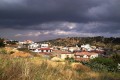
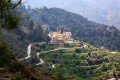
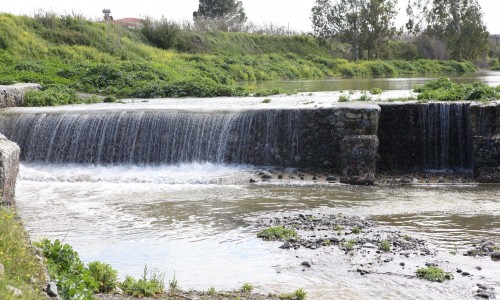
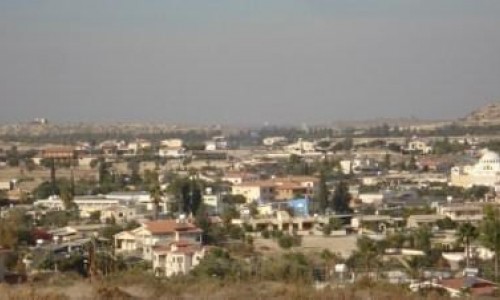
Kapedes is defined first and foremost by its landscape. It belongs to that greener inland Cyprus that many visitors miss because they associate the island mostly with beaches. The village rests among gentle elevations—foothills rather than dramatic mountains—where winter rains are generous enough to keep the countryside lively well into spring. Here, the land isn’t flat or easily “planned,” and that has always influenced how people built homes, created paths, and used the soil.
This geography quietly explains a lot. A village in rolling hills tends to grow organically: streets curve, houses sit where the slope allows, and fields are broken into smaller, practical pieces. You often see gardens near homes and cultivated patches that suggest a long tradition of doing a bit of everything—enough vegetables, enough fruit, enough herbs—rather than pure large-scale farming.
Seasonal change is part of Kapedes’ personality. After the rains, the surrounding land turns green and full, with wild growth filling spaces that looked dry just weeks before. Spring comes with a burst of color and scent—wildflowers, fresh grasses, herbs carried in the air. Summer brings the familiar Cypriot dryness, but in this inland zone you still feel a slightly softer edge compared to the lowlands. Then autumn arrives with that pleasant shift: cooler evenings, calmer light, the first signs that village routines will move back indoors.
Streets that invite wandering
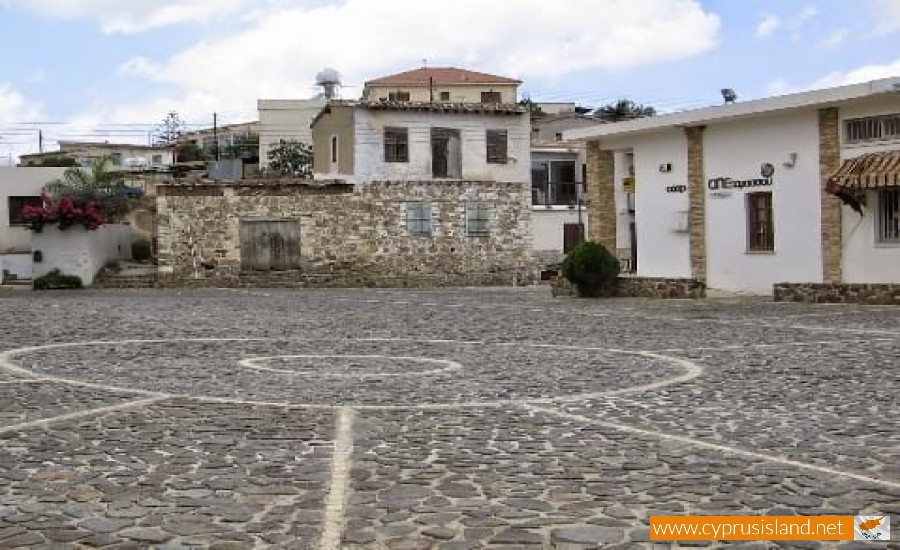
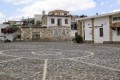
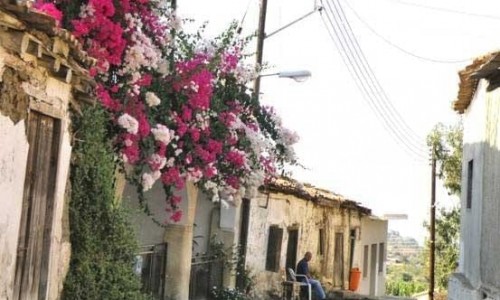
Kapedes feels best on foot. The older heart of the village is usually built around narrow streets, lanes, and small open areas—paths that weren’t drawn on paper but formed over time as people walked them, widened them, built next to them, and shaped them to daily life.
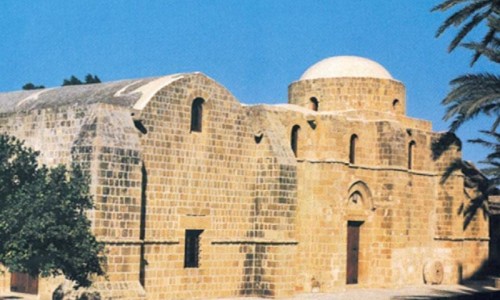
The stone architecture is one of the village’s quiet strengths. Traditional village houses in Cyprus aren’t only aesthetic; they’re clever. Thick walls that regulate temperature. Small windows where needed, larger openings where airflow matters. Courtyards that function as private outdoor rooms—places to sit, work, host, and cool down. It’s the kind of architecture that makes sense, and because it makes sense, it still feels relevant today.
As you walk, you start noticing details that are easy to miss if you’re only passing through:
Old wooden doors with strong frames and simple decorative touches.
Stone textures that change color depending on the time of day.
Steps and low walls built to manage the slope, not to look perfect.
Gardens and pots that show who still lives there year-round.
Cats that seem to have inherited entire neighborhoods.
There’s a charm in how “unpolished” it can feel—in the best way. Kapedes doesn’t need to be curated to be attractive. It’s attractive because it’s real.
The rhythm of community life
Village life in Cyprus often carries a reputation for warmth, and Kapedes fits that, but the warmth isn’t always loud. It’s often practical and steady: the nods, the greetings, the familiarity. In villages, people pay attention to each other—sometimes silently, sometimes openly, but always with awareness.
Like many villages today, Kapedes likely feels different depending on the day and season. Weekdays can be calmer, with a quieter population and routines that move slowly. Weekends, holidays, or summer periods can bring a sudden rise in energy: returning families, visitors, and gatherings that temporarily restore the fuller rhythm of older times.
And of course, there’s the village’s social heartbeat: the simple act of sitting.
A village café isn’t just a place to drink coffee. It’s a place where time is negotiated differently. Conversations are longer, silences are allowed, and people watch the village move. You don’t “grab” a coffee in a village—you take it.
Faith, tradition, and shared memory
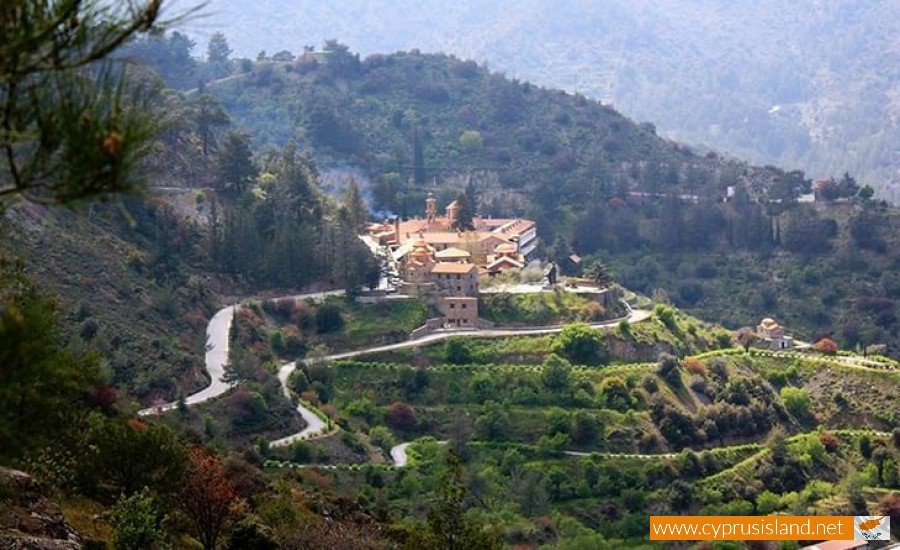
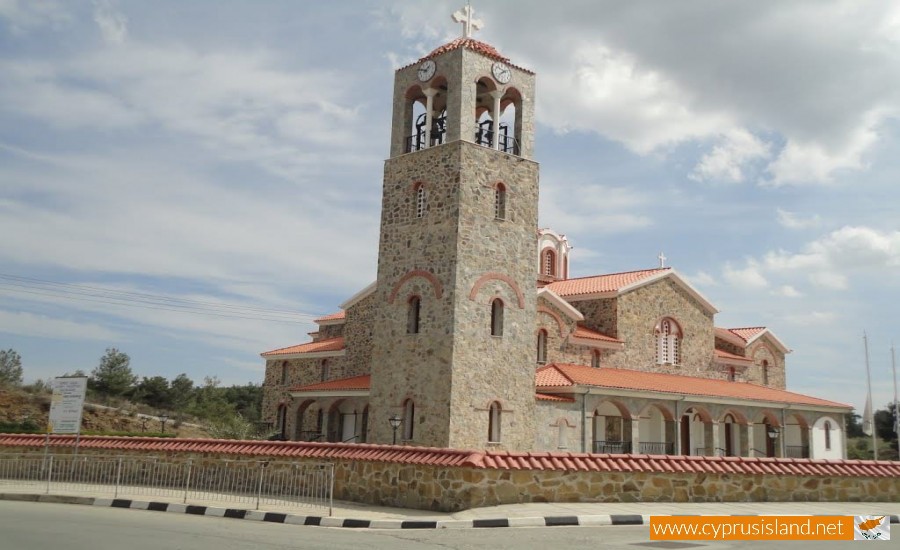
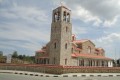
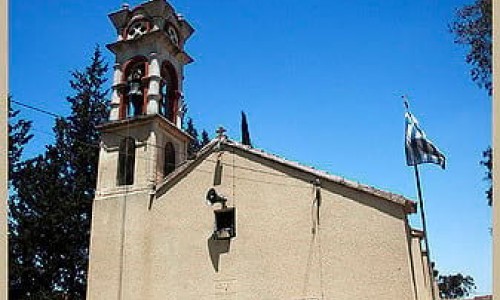
In most Cypriot villages, the church and religious spaces are more than just buildings—they are anchors. They hold the village’s memory and provide a structure for tradition that keeps families connected even when many live elsewhere.
Feast days, memorials, weddings, baptisms—these events keep the village relevant to people’s identities. Someone might live in the city, work abroad, or only visit a few times a year, but those key moments bring them back, because the village is part of their story.
Even for a visitor, religious sites and traditional structures communicate something important: Kapedes is not a “theme.” It is a place with depth and continuity.
The countryside as a natural extension of the village
One of Kapedes’ greatest strengths is that nature feels immediately accessible. You don’t have to plan a big adventure; you simply walk toward the village edge and you’re suddenly surrounded by open land, quiet roads, trees, and the kind of natural soundscape you forget exists when you’re surrounded by traffic.
This is the ideal place for slow exploration:
short walks without needing a destination
gentle hikes that feel more like wandering
photography with natural light and texture
simply sitting somewhere and letting the surroundings do the work
In spring, especially, the experience can feel almost restorative. The air smells alive. The countryside looks freshly washed. There’s movement in the landscape—birds, insects, leaves—everything doing what it naturally does when it isn’t crowded out by asphalt.
Food, hospitality, and the taste of village life
Even if you don’t arrive looking for food, villages like Kapedes have a way of offering it to you indirectly—through hospitality and simple seasonal flavors.
In villages, you notice the “quality of basics.” Oil, bread, fruit, herbs, coffee—when these are good, everything feels better. And because many people still grow something, even small amounts, there’s a closeness between what the land produces and what ends up on a table.
Hospitality in Cyprus is often expressed through small gestures. Someone offering you a sweet, a glass of water, a coffee, fruit from a tree—these things aren’t performances. They’re cultural habits that say: you’re here, so you’re looked after.
And that’s part of what makes villages special. Even if you only stay for an afternoon, you leave feeling like you’ve been inside something human.
Kapedes in the modern Cyprus story
Kapedes, like many villages, sits inside the larger story of modern Cyprus: the push and pull between tradition and change. Villages everywhere face the same challenge—how to remain living communities rather than becoming quiet “weekend destinations.”
That challenge takes many forms:
fewer young people staying permanently
older homes needing costly restoration
new expectations (internet, services, accessibility)
tourism that can help but also reshape identity
And yet, villages survive because they still offer something rare: a sense of place. They provide continuity. They keep cultural habits alive. They remind people that life can be built around community, not just efficiency.
When people visit Kapedes and respect it—spending time, supporting local businesses, appreciating the environment—they participate in that survival in a small but meaningful way.
How to experience Kapedes properly
Kapedes isn’t the kind of place you should rush through. It rewards slowness. The best visit is often the simplest:
arrive with no strict schedule
park once and explore on foot
sit down for coffee instead of taking it away
notice architecture and small details
walk into the countryside without needing a big plan
If you talk to locals, a friendly approach and basic respect goes a long way. Villages are proud places, and that pride is often tied to history, family, and resilience. People may not “sell” the village to you, but if you show genuine interest, you’ll feel the village open up.
Why it stays with you
In the end, Kapedes doesn’t need one headline attraction. Its appeal is the full experience: a calm environment, a lived-in authenticity, and a landscape that feels gentle but rich. It offers a version of Cyprus that breathes slower—one built on stone, seasons, routine, and quiet human connection.
You leave with something that’s hard to photograph but easy to feel: the sense that places like this matter, and the hope that they remain alive—not as postcards, but as communities.