1 min read

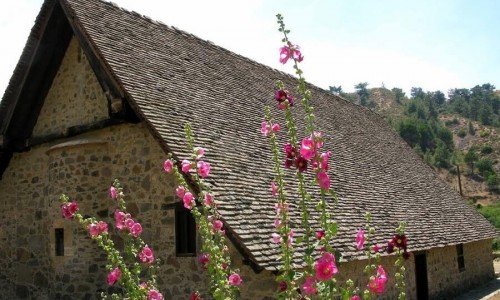
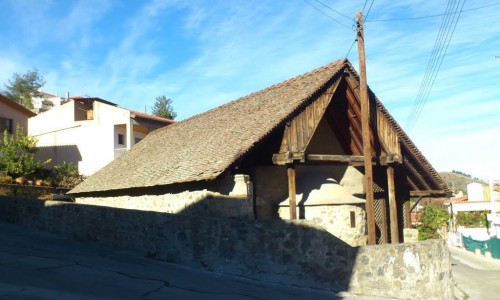
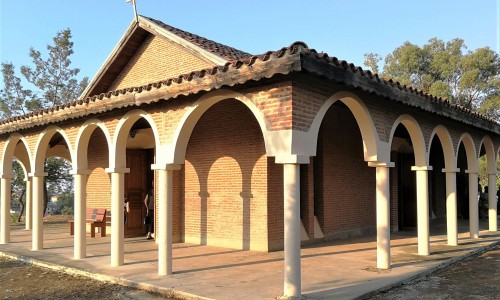
The Apostolou Louka Chapel is located in the Skarinou village in the Larnaca district.

It is situated south of the village between a valley and a plain. The exterior of the church is paved and the church is built with stone for the area. It is small and simple with roof tiles. The bell tower is wooden and poor. The old iconostasis was ruined and recently restored, wooden with a few icons.

The psalter has also recently been made, such as the few seats for the hospitality of the believers. At the south wall of the temple there is a hagiography presenting Apostle Louka. The dedicated icon in the chapel is not very old and is placed on the iconostasis.

The saint is celebrated on the 18th of October, in which a great celebration occurs at the church. A lot of people gather around the church and prepare food.

Apostolou Louka Chapel - Skarinou location map: 

Near Apostolou Louka Chapel - Skarinou

Other places within a short drive, closest first.
Nearby Places and things to do (within 5 km radius)

Nicosia

Archontiko of Axiothea

The Archontiko of Axiothea can be described as a very interesting example of urban architecture of the 18th century.

Nicosia

The Leventis Municipal Museum of Nicosia

The Leventis Municipal Museum of Nicosia is housed in a complex of three traditional buildings on Ippokratous street, within the old town not far from Freedom s

Nicosia

Eleftheria Square – Nicosia

In the capital of Cyprus, where ancient walls still encircle a living, breathing modern city, Eleftheria Square (Plateia Eleftherias, meaning “Freedom Square”)

Nicosia

Shacolas Tower - Nicosia

Shacolas tower is the tallest building in the old town of Nicosia and is one of the tallest in the district.

Nicosia

Fairy Tale Museum, Cyprus

The Fairy tale Museum is located in the Nicosia district and it opened on the 23rd of February 2017, inviting young and old to the magical world of fairy tales.

Nicosia

Omerie Mosque

The mosque is located within the walls, in the south side of old Nicosia, between the bastions Costanza and Podocataro.

Pages