
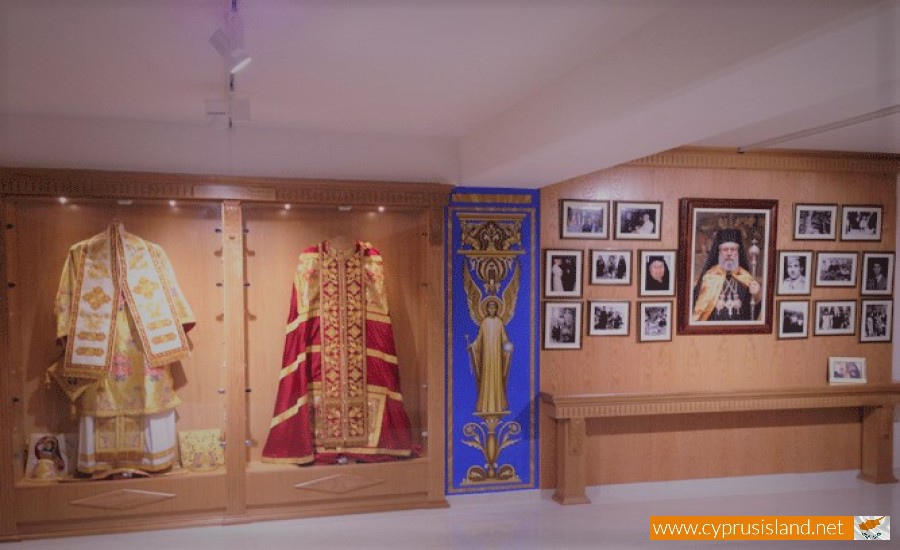
The Tala Cultural Centre is situated in the village of Tala in the Paphos sistrict. It is a dedicated building, which houses the Tala Museum and the Thekleios Library.
The Museum houses items from the early copper era until the Ottoman Period , church clothes , sceptres , coins and presents which were given to the Archbishop of Nea Ioustiniani and Cyprus , Chrysostomos B’. The Thekleios Library is also embellished with over 6000 volumes of quality scientific publications that are available to the public.
Educational visits to the Museum and the Library take place in the context of museum education and offer the opportunity for presentations of ecclesiastical, archaeological and historical content. The schools that are interested in visiting can contact the Tala Cultural Centre in order to arrange a visit and tour along with the philologist.
Location: | Tala Village |
District: | Paphos |
Operating hours: | 09:00-13:00 |
Operating days: | Monday – Friday |
Entrance: | Free |
Website: | |
Contact numbers: | 99-471799 , 99968537 , 99-389380 |
Near Tala Cultural Centre
Other places within a short drive, closest first.