
Troulloi is a traditional village in the Larnaca District of Cyprus, a place where the quiet rhythm of rural life still survives alongside the changes of the modern world. It is not a large town or a famous tourist resort, but this is exactly what gives it its charm. Troulloi represents a more authentic and peaceful side of Cyprus, away from the busy coastal areas and commercial centres. It is a village shaped by its land, its people, its history, and its strong sense of community.
The village is located in the eastern part of the Larnaca District, in an area that connects the countryside with nearby towns and coastal regions. Its location gives it a balanced identity. On one hand, it remains a peaceful village with agricultural roots and traditional values. On the other hand, it is close enough to larger areas for residents to access work, education, services, and modern conveniences. This combination has helped Troulloi remain alive and relevant while still preserving much of its local character.
Troulloi is the kind of village that may not impress through grand monuments or large attractions, but through atmosphere. Its beauty is found in simple details: the open fields around it, the village streets, the church bells, the family homes, the older residents who remember the past, and the younger generations who continue to return to their roots. It is a place where memory and everyday life are closely connected.
The Name and Identity of Troulloi
The name Troulloi is unusual and distinctive. Like many Cypriot village names, it carries a sense of local history and may be connected to older descriptions of the landscape, buildings, or features of the area. The word is often associated with rounded shapes or domes, and this gives the name a strong visual character. Whether the name refers to natural formations, architectural shapes, or older local features, it has become deeply connected with the identity of the village.
In Cyprus, village names are often more than simple labels. They carry stories, memories, and meanings that link the present community with earlier generations. The name Troulloi gives the village a recognizable identity and distinguishes it from other communities in the region. For the people who come from Troulloi, the name is connected with family history, personal memories, local pride, and a sense of belonging.
The identity of Troulloi is strongly traditional. It is not a place that has lost itself in rapid development. Although modern houses, roads, and services have changed the village over time, Troulloi still keeps the feeling of a close rural community. People know one another. Families have lived there for generations. Local customs continue to matter. The village remains connected to its past while adapting to the present.
A Village Connected to the Cypriot Countryside
The countryside around Troulloi is an important part of the village’s character. Like many villages in Cyprus, Troulloi was historically connected to agriculture and rural work. The land around the village supported families through farming, animal keeping, and seasonal labour. In earlier times, life was closely tied to the needs of the land and the changes of the seasons.
For many generations, villagers depended on the countryside not only for income but also for food, routine, and identity. Fields, trees, animals, tools, and harvests were part of daily life. Work was often difficult, especially during the hot summer months, but it created discipline, cooperation, and resilience. Families worked together, neighbours helped each other, and children grew up understanding the value of effort from an early age.
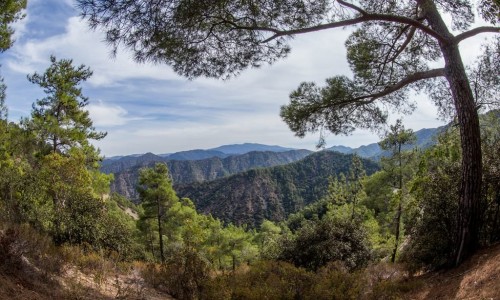
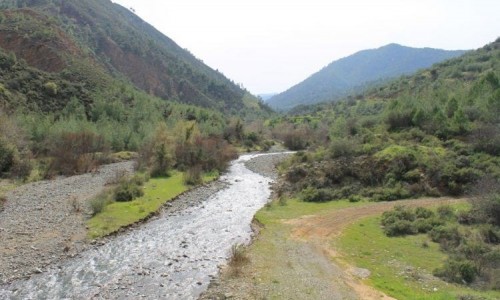
The landscape of Troulloi reflects the broader beauty of rural Cyprus. During the spring, the countryside becomes greener and more colourful, with wildflowers and fresh vegetation giving life to the fields. In summer, the land becomes dry and golden under the strong Cypriot sun. Autumn brings a softer atmosphere, while winter offers cooler weather and a sense of renewal. These seasonal changes give the village a natural rhythm that is very different from the fast pace of urban life.
Olive trees, carob trees, dry fields, low hills, and open views are all part of the Cypriot rural scene. This type of landscape may appear simple at first, but it has a deep beauty. It reminds people of older ways of life, of patience, of hard work, and of the close relationship between people and nature.
Agriculture and Traditional Work
Agriculture has played a central role in the life of Troulloi. In the past, most families in villages like Troulloi had some connection to farming, whether through cultivating land, keeping animals, or producing goods for their own use. The village economy was not based on large industries but on small-scale local production and family labour.
Traditional agricultural life in Cyprus required cooperation. Families often worked together during important periods of the year, such as planting and harvesting. Neighbours would support one another, especially when the work was heavy or urgent. This created a strong sense of mutual dependence and community spirit.
The older generation of Troulloi would likely remember a village life where people were more self-sufficient. Food was prepared at home, bread was baked traditionally, vegetables were grown locally, and animals provided milk, meat, or eggs. Nothing was wasted. People lived with fewer luxuries, but they often had stronger daily connections with one another.
This agricultural background remains important even if fewer people today depend entirely on farming. The memory of the land continues to shape the village’s identity. Many families still value their fields, trees, and inherited land, not only for economic reasons but because they represent family continuity.
Religious Life and the Role of the Church
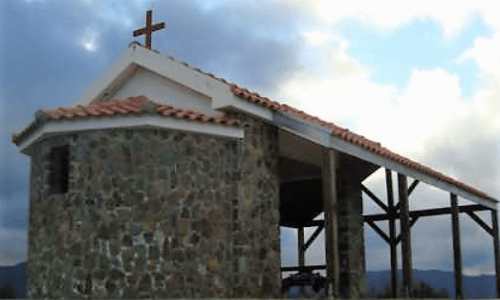
Religion has always been one of the strongest pillars of Cypriot village life, and Troulloi is no exception. The church is more than a religious building. It is a spiritual centre, a social meeting point, and a symbol of the village’s identity. For many residents, the church connects the community with faith, tradition, and history.
Church services, feast days, weddings, baptisms, funerals, and memorials are all important moments in the life of the village. These events bring people together and strengthen the sense of belonging. Even people who no longer live permanently in Troulloi may return for religious celebrations, especially if their families have roots in the village.
Religious festivals are particularly important in maintaining local tradition. A feast day is not only a church event; it is also a social and cultural occasion. Families gather, visitors arrive, food is prepared, and old friendships are renewed. These celebrations help keep the village alive, especially in a time when many younger people may live or work elsewhere.
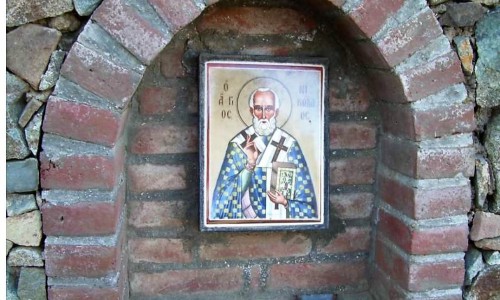
The sound of church bells, the presence of icons, the lighting of candles, and the gathering of people after a service are all part of the traditional atmosphere of a Cypriot village. In Troulloi, as in many other villages, faith remains closely connected with community life.
Family, Community, and Social Life
One of the most important characteristics of Troulloi is its strong sense of community. In a village, people are rarely strangers to one another. Families know each other across generations. Personal histories, family names, and local stories are part of everyday conversation. This creates a feeling of familiarity that is difficult to find in larger towns.
Village life is based on relationships. Neighbours greet each other, relatives visit often, and people usually know what is happening in the community. This closeness can provide emotional support, especially during difficult times. When someone is celebrating, the village shares the joy. When someone is grieving, the village offers comfort.
The family remains at the centre of social life. In traditional Cypriot culture, family ties are strong, and villages like Troulloi preserve this value. Grandparents, parents, children, cousins, and relatives often form a wide network of support. Even when family members move away, the village remains a point of return. It is where people come back for holidays, weddings, Easter, Christmas, memorial services, or simply to reconnect with their roots.
Hospitality is also a major part of village culture. A visitor may be offered coffee, sweets, fruit, or a homemade dish. This is not only politeness; it is a way of expressing respect and warmth. In Troulloi, as in many Cypriot villages, hospitality reflects the generosity and openness of the local people.
Architecture and Traditional Village Atmosphere
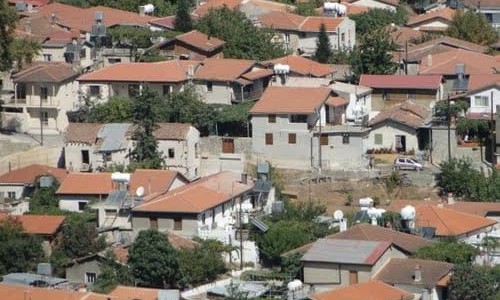
The architecture of Troulloi reflects the history and practical needs of rural Cyprus. Older houses in Cypriot villages were often built with local materials such as stone, mud brick, and wood. They were designed for the climate, with thick walls to keep interiors cool in summer and warmer in winter. Courtyards were common, providing private outdoor space for cooking, washing, working, or family gatherings.
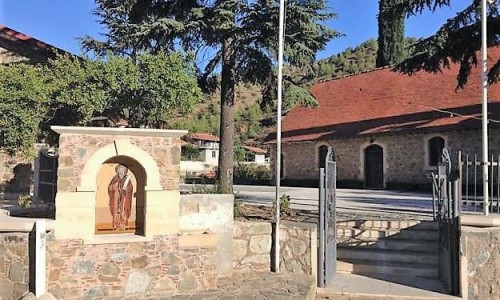
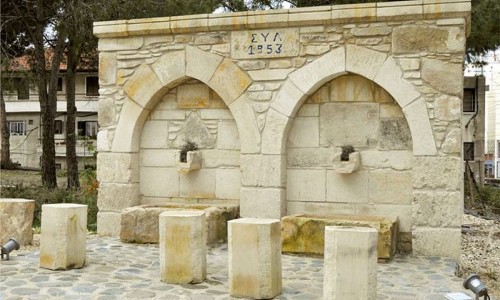
Although many traditional houses have been renovated or replaced by modern buildings, elements of the older village style can still be felt. Narrow roads, low houses, shaded yards, stone details, and simple village layouts all contribute to the atmosphere. The village does not need to be perfect or untouched to be meaningful. Its charm comes from the mixture of old and new, from the signs of everyday life, and from the way people continue to use and adapt the spaces around them.
The village atmosphere is quiet and human in scale. There are no crowds, no large shopping streets, and no noisy tourist zones. Instead, Troulloi offers a slower experience: walking through the village, noticing small architectural details, listening to the sounds of daily life, and observing the connection between homes, streets, fields, and church.
This kind of environment allows people to feel grounded. It reminds visitors and residents that life does not always need to be rushed. In a village like Troulloi, time seems to move differently. The morning may begin with the sound of animals, cars leaving for work, or people opening their homes. The afternoon may become quiet under the heat. The evening may bring neighbours outside, conversations, and family gatherings.
History, Change, and Memory
Troulloi has experienced the same broad changes that affected many Cypriot villages over the last century. Life in rural Cyprus changed significantly with modernization, improved education, new employment opportunities, migration to towns, and social development. Many villagers or their descendants moved to urban areas or abroad in search of work and better opportunities. This reduced the traditional dependence on agriculture and changed the structure of village life.
However, migration did not destroy the connection between people and their village. In Cyprus, ancestral villages remain emotionally important even for those who no longer live there. A person may live in Larnaca, Nicosia, Limassol, or even another country, but still say with pride that their family is from Troulloi. The village becomes part of personal identity.
Memory is one of the strongest forces in a traditional community. Older people remember how the village used to be: the old houses, the fields, the paths, the school years, the religious celebrations, the hardships, and the joys. These memories are passed down through stories, photographs, family conversations, and local traditions. Even when the physical village changes, memory preserves its older character.
Troulloi is therefore not only a place on the map. It is a collection of memories, relationships, and inherited meanings. It is a village that lives both in the present and in the minds of those connected to it.
Troulloi and Modern Life
Today, Troulloi continues to adapt to modern life. Residents may work in nearby towns, use modern technology, study at universities, travel frequently, and live in houses very different from those of earlier generations. Yet the village still maintains its rural identity and community spirit.
Modernization has brought benefits. Better roads, improved communication, access to services, and easier transportation have made village life more comfortable. People can enjoy the peace of the countryside without being completely isolated from urban life. This has made villages like Troulloi attractive to people who want a quieter lifestyle while still remaining connected to the wider region.
At the same time, modern life also brings challenges. Younger generations may prefer to live in towns, traditional occupations may decline, and some old customs may weaken over time. Villages must find ways to preserve their identity while remaining practical places to live. Troulloi, like many Cypriot villages, stands at this balance between tradition and change.
Its future depends on the continued involvement of its residents, descendants, local authorities, and younger people. A village remains alive when people care for it: when homes are maintained, traditions are celebrated, local events are supported, and children are taught to value their roots.
A Place for Visitors Seeking Authentic Cyprus
For visitors, Troulloi offers a different kind of experience from the typical image of Cyprus as only beaches, hotels, and nightlife. It offers a glimpse into the island’s rural heart. Someone visiting Troulloi can experience the quieter, more traditional side of Cyprus — the side connected to family homes, churches, countryside, local stories, and simple hospitality.
This type of village is ideal for people who enjoy cultural exploration rather than mass tourism. Troulloi does not need large attractions to be interesting. Its value lies in its authenticity. Visitors can appreciate the village by walking through its streets, observing the countryside, speaking with locals, and understanding how rural communities continue to shape Cypriot identity.
Villages like Troulloi also help preserve the island’s cultural balance. Cyprus is often promoted through its coastal beauty, but its villages are equally important. They hold the language, customs, recipes, religious practices, and social values that form the deeper character of the island.
The Importance of Preserving Village Heritage
Preserving the heritage of Troulloi is important not only for its residents but for Cyprus as a whole. Every village contributes something unique to the island’s cultural landscape. When traditional villages lose their identity, the country loses part of its memory.
Heritage preservation does not mean freezing the village in the past. It means respecting what gives the village its character while allowing it to develop naturally. Old buildings, churches, local customs, family stories, traditional foods, and agricultural knowledge all deserve attention. They are part of the invisible wealth of a community.
Schools, families, local associations, and community events can all help keep this heritage alive. Younger generations need opportunities to learn about their village, not only as a place where their grandparents lived, but as a living part of their own identity. When young people feel proud of their village, they are more likely to protect it and contribute to its future.
Troulloi is a village of quiet strength, tradition, and belonging. It may not be famous in the way that large cities or tourist resorts are famous, but it has something more subtle and lasting: authenticity. It reflects the rural soul of Cyprus, where land, faith, family, and memory remain deeply connected.
Its countryside tells the story of agricultural life. Its church and traditions reveal the importance of faith and community. Its homes and streets show the passage of time. Its people carry the memories and values that give the village meaning.
Troulloi is more than a small village in the Larnaca District. It is a place of roots. It is a reminder of the importance of community in a changing world. It shows that beauty does not always need to be dramatic; sometimes it is found in quiet streets, familiar faces, open fields, and the simple dignity of village life.
For those who come from Troulloi, it is a source of identity and pride. For visitors, it is an opportunity to discover a more genuine side of Cyprus. And for Cyprus itself, Troulloi is one of the many villages that preserve the island’s history, culture, and heart.
Near Troulloi Village
Other places within a short drive, closest first.