
Tochni is a beautiful traditional village in the Larnaca district of Cyprus, set among rolling hills, agricultural land and the warm colours of the island’s countryside. It is the kind of place that immediately gives visitors a sense of calm, offering a very different experience from the busy coastal resorts and larger towns of Cyprus. The village is known for its stone-built houses, narrow streets, restored traditional homes and peaceful rural atmosphere, all of which help preserve the feeling of an authentic Cypriot community. Walking through Tochni, visitors can see old stone walls, wooden balconies, flower-filled courtyards and traditional homes that appear to rise naturally from the landscape around them. The architecture is one of the village’s most distinctive features, with many properties constructed from local stone in warm shades of beige and honey. This creates a strong visual connection between the village and the surrounding hills, giving Tochni an appearance that is both harmonious and timeless. Although the village has become increasingly popular with travellers interested in agrotourism and alternative forms of tourism, it still retains a genuine sense of everyday life. Local residents continue to live and work within the village, while visitors are able to experience the quieter pace, local traditions and hospitality that have always been important parts of rural Cypriot culture.
The history of Tochni stretches back many centuries, and like many villages across Cyprus, its development was closely connected with agriculture, animal husbandry and local craftsmanship. Generations of families lived from the land, growing crops suited to the Mediterranean climate and keeping animals that provided milk, meat and other products for local use. Olive trees, carob trees, cereals, citrus fruits and vegetables all played an important role in the rural economy, while traditional methods of farming shaped both the landscape and the rhythm of daily life. In earlier times, villagers depended heavily on the changing seasons, with different periods of the year bringing planting, harvesting, pruning and other agricultural work. These activities were not simply economic necessities; they formed part of the social identity of the village, bringing families and neighbours together and creating customs that were passed down through generations. Although modern life has changed the way many people work, the surrounding countryside still reflects this agricultural heritage. Fields, orchards and cultivated land remain visible around Tochni, allowing visitors to appreciate the close relationship between the village and the natural environment. This connection to the land gives Tochni much of its character and helps explain why the village continues to feel strongly rooted in tradition.
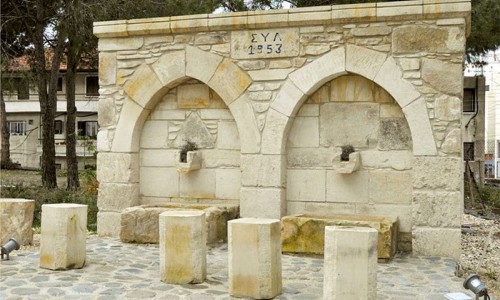
One of the most attractive aspects of Tochni is its traditional architecture, which has become an important part of the village’s modern identity as an agrotourism destination. Many old houses have been carefully restored in a way that preserves their original stonework, wooden features and internal courtyards while adding the comforts expected by modern visitors. These restored properties have helped breathe new life into historic buildings that might otherwise have fallen into disrepair, while also offering travellers the chance to stay in accommodation that feels deeply connected with local history. Instead of large hotel complexes, visitors can stay in small stone houses, apartments and guesthouses positioned along quiet village lanes, often with terraces overlooking the hills and countryside. The experience is very different from conventional tourism because guests are able to become part of the village atmosphere, hearing church bells, watching daily life unfold and enjoying the slower rhythm that defines rural Cyprus. Early mornings in Tochni can be especially peaceful, when the streets are still quiet and soft light falls across the stone buildings. In the evening, the village takes on a warm and atmospheric appearance as the sun lowers over the surrounding hills and shadows lengthen across the narrow streets.
At the centre of Tochni, the village church forms an important part of local religious and cultural life. As in many Cypriot villages, churches and chapels have historically served not only as places of worship but also as important gathering points for the community. Religious feast days, weddings, baptisms and local celebrations have long brought residents together and remain an important part of village traditions. The presence of the church contributes to the historic character of Tochni and helps connect the modern village with generations of people who lived there before. Around the village centre, visitors can explore small streets and pathways lined with old houses and traditional architectural details, discovering quiet corners that give the settlement much of its charm. The atmosphere encourages visitors to slow down and observe the details around them rather than rushing from one attraction to another. A weathered wooden door, an old stone staircase, a small balcony or a courtyard filled with flowers can be just as memorable as a major landmark because these elements create the authentic character of the village. This simplicity is one of Tochni’s strongest attractions and makes it particularly appealing to visitors who enjoy cultural travel and traditional environments.
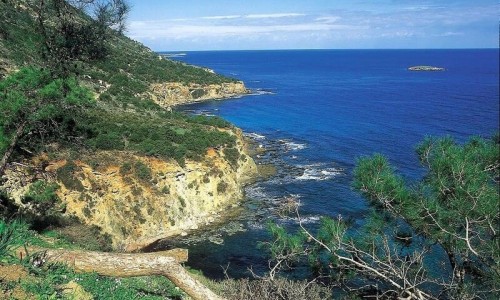
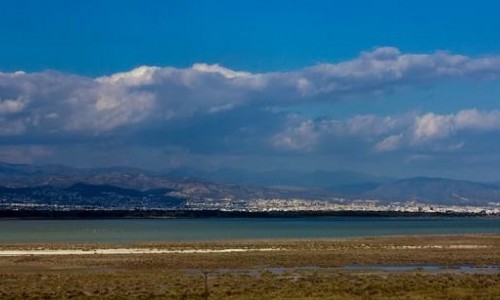
The surrounding countryside is another major part of the Tochni experience. The village lies within an area of rolling terrain, quiet country roads and agricultural landscapes that are ideal for walking, cycling and exploring by car. The scenery changes dramatically throughout the year. During spring, the countryside can become green and colourful, with wildflowers appearing across the hills and fields. This is one of the most beautiful periods for visiting rural Cyprus because the landscape is fresh and vibrant, temperatures are generally comfortable and outdoor activities can be enjoyed for longer periods of the day. As summer approaches, the hills gradually take on the dry golden shades that are so characteristic of the Cypriot landscape. The contrast between the warm countryside and the blue Mediterranean sky creates beautiful views throughout the area. Autumn brings softer light and a calmer atmosphere, while winter reveals a quieter side of the village, with cooler temperatures and peaceful streets. These seasonal changes mean that Tochni offers a different experience depending on the time of year, making it an attractive destination well beyond the traditional summer tourism season.
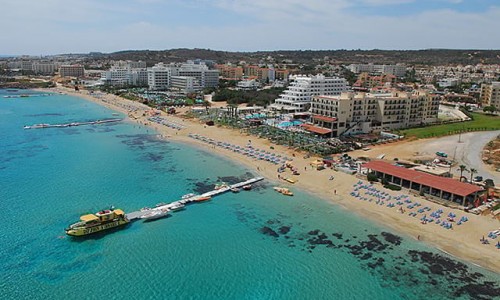
Cycling is particularly popular in and around Tochni because the landscape offers a mixture of quiet roads, gentle routes and more challenging terrain. Riders can travel between neighbouring villages, pass through agricultural areas and enjoy panoramic countryside views without the heavy traffic found in larger towns. Walking is equally enjoyable, especially for visitors who want to explore the landscape at a slower pace. Country tracks and village roads provide opportunities to discover the surrounding hills, observe local plants and enjoy the peaceful environment. Because Tochni is located relatively close to the coast, visitors can also combine countryside activities with trips to the sea. This gives the village an excellent balance between inland Cyprus and the Mediterranean, allowing travellers to experience traditional village life without being far from beaches and coastal communities. The ability to move easily between countryside and coast is one of the reasons the wider Tochni area is so attractive for longer stays.
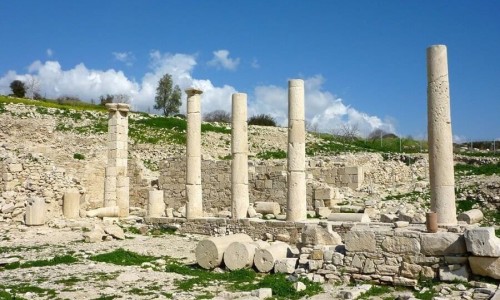
The location of Tochni also makes it an excellent base for exploring several neighbouring villages and attractions. Choirokoitia, Kalavasos, Maroni and Zygi are all within the wider region and each offers something different. Choirokoitia is particularly important because of its internationally recognised archaeological site, which provides an extraordinary glimpse into prehistoric life on the island. Kalavasos combines traditional village character with an interesting history connected to agriculture, mining and the old railway system that once served parts of Cyprus. Maroni offers another peaceful rural setting, while Zygi provides a completely different atmosphere with its coastal setting and reputation for fresh seafood. Together, these destinations create an area rich in variety, where visitors can move from ancient archaeology and traditional villages to seaside restaurants and quiet countryside within a relatively short distance. Tochni’s central location within this region makes it especially convenient for travellers who want to explore without constantly changing accommodation.
Food is an essential part of village life in Cyprus, and Tochni is a wonderful place to experience traditional Cypriot cuisine in a relaxed rural setting. Local tavernas often focus on familiar dishes prepared with fresh ingredients and straightforward cooking methods that reflect the island’s culinary traditions. A meal may begin with bread, olives, dips and salads before moving on to halloumi, grilled meats, vegetables and other traditional dishes. Meze remains one of the best ways to experience Cypriot food because it brings many different flavours to the table and encourages diners to eat slowly and socially. The experience of dining in a village such as Tochni is about much more than the food itself. Meals are often unhurried, creating an opportunity for families and friends to sit together, talk and enjoy the atmosphere. The combination of traditional cuisine, stone surroundings and warm hospitality can make a simple village meal one of the most memorable parts of a visit.
Tochni also has a strong appeal for photographers, artists and travellers who appreciate visual details. The village offers a wide range of subjects, from large countryside views to small architectural features hidden along narrow streets. Stone walls change colour depending on the time of day, while wooden doors, balconies, shutters and staircases create attractive compositions throughout the village. Early morning and late afternoon light are especially beautiful because they soften the landscape and create warm shadows across the buildings. During spring, wildflowers and greenery add colour to the surrounding countryside, while summer produces stronger contrasts and dramatic golden tones. The peaceful atmosphere means that visitors can take their time exploring without feeling rushed, making Tochni particularly rewarding for anyone who enjoys photography or simply observing the details of traditional places.
Despite its popularity with visitors, Tochni has managed to avoid losing its local identity. This is perhaps one of its greatest strengths. Tourism has helped restore many historic properties and support local businesses, yet the village has not become a purpose-built tourist attraction. People still live there, work there and continue everyday routines that have little to do with visitors. This creates a much more authentic atmosphere than can be found in destinations developed entirely around tourism. Travellers can sit in a local café, walk through quiet residential streets, meet local people and experience the rhythm of village life without the constant activity of a major resort. It is this balance between tourism and normal community life that gives Tochni such a distinctive character and makes it especially appealing to visitors who want to experience Cyprus in a more personal way.
Another important part of Tochni’s appeal is the feeling of simplicity that surrounds it. The village does not need large attractions or entertainment complexes to leave an impression. Its beauty lies in the everyday details: the colour of the stone houses, the sound of footsteps along narrow streets, the view across the hills, the scent of local plants and the quiet atmosphere of a rural evening. These simple experiences can often become some of the most memorable moments of a visit to Cyprus. For travellers accustomed to busy schedules and crowded destinations, Tochni offers a welcome contrast. It encourages people to slow down, appreciate their surroundings and experience the island in a way that feels more connected to local culture and landscape.
Visiting Tochni can also be part of a wider journey through rural Cyprus, where dozens of small villages preserve different aspects of the island’s history and traditions. Each village has its own character, but Tochni stands out because of the particularly strong connection between its architecture, countryside and agrotourism culture. Its restored houses demonstrate how traditional buildings can be preserved and given new life, while its peaceful streets show how rural communities can continue to exist alongside tourism. For visitors interested in heritage, architecture and local culture, this makes Tochni much more than simply a beautiful place to photograph. It becomes an example of how Cyprus’s traditional villages can remain relevant while still protecting the elements that make them unique.
Ultimately, Tochni is a destination that captures the quiet beauty of the Cypriot countryside. Its stone-built homes, rolling hills, traditional streets, local food and relaxed way of life offer visitors the chance to discover a side of Cyprus that is often overlooked in favour of the island’s beaches and larger resorts. Whether someone comes for a short visit, spends a few nights in a restored village house or uses Tochni as a base for exploring the surrounding region, the village provides a memorable and authentic experience. It is a place where history can be seen in the architecture, where the countryside continues to shape daily life and where visitors can enjoy the timeless appeal of a traditional Cypriot community. Tochni may be small, but its combination of heritage, hospitality and natural beauty gives it a character that leaves a lasting impression and makes it one of the most rewarding villages to explore in southern Cyprus.
Near Tochni Village
Other places within a short drive, closest first.