

Platres is one of the most beloved mountain villages in Cyprus, known for its cool climate, natural beauty, rich history, and peaceful atmosphere. Located in the Troodos Mountains, in the Limassol district, Platres has long been a favourite destination for both locals and visitors who want to escape the heat of the coast and enjoy the freshness of the mountains. With its pine forests, waterfalls, charming streets, traditional hospitality, and historic hotels, Platres offers a different side of Cyprus: quieter, greener, and deeply connected to nature.
The village is often associated with relaxation and elegance. For many years, Platres was considered one of the island’s most fashionable mountain resorts. During the British colonial period, it became especially popular among officials, travellers, writers, and wealthy families who visited the village during the hot summer months. Its cool air, scenic surroundings, and comfortable hotels made it a perfect retreat. Even today, Platres carries this sense of old-world charm, combining natural beauty with memories of a more graceful and romantic era.
A Village in the Heart of the Troodos Mountains
Platres is situated high in the Troodos range, surrounded by thick forests, mountain slopes, streams, and walking trails. Its altitude gives it a much cooler climate than the coastal towns of Cyprus, especially during the summer. While places such as Limassol, Paphos, and Nicosia can become very hot, Platres remains fresh and pleasant, making it a popular escape for day trips, weekends, and summer holidays.
The village is divided into two areas: Pano Platres and Kato Platres. Pano Platres is the better-known part and is usually what people mean when they refer to Platres. It is where many of the hotels, restaurants, shops, and walking routes are found. Kato Platres is smaller and quieter, with a more traditional village feeling. Together, they form an area that reflects both the touristic and authentic mountain character of Cyprus.
The landscape around Platres is one of its greatest treasures. Tall pine trees, narrow roads, traditional houses, gardens, and mountain views create a peaceful environment. The sound of running water, the smell of pine, and the fresh air give the village a calming atmosphere. It is the kind of place where visitors naturally slow down, walk more, breathe deeply, and enjoy simple moments.
A Historic Mountain Resort
Platres has a long and interesting history as a resort village. Although it existed as a mountain settlement before modern tourism developed, its reputation grew strongly during the late 19th and early 20th centuries. Under British rule, the village became a popular summer destination. Government officials and foreign visitors were attracted by its cool temperatures and green surroundings. Hotels and guesthouses began to open, and Platres gradually became known as a stylish mountain resort.
During this period, the village welcomed many important guests and travellers. Its hotels were famous for their hospitality, dining rooms, gardens, and social life. Platres became a place where people came not only to rest, but also to meet others, attend dances, enjoy afternoon tea, and take part in the social life of the mountains. This helped give the village a cosmopolitan identity unusual for a small mountain community.
One of the reasons Platres remains special today is that it still carries traces of this elegant past. Some buildings, hotels, and streets remind visitors of the village’s golden age. Even when modern cafés and restaurants appear, Platres has not lost its historical character. It feels like a place where different periods of Cyprus’s history meet: traditional village life, colonial-era resort culture, and modern mountain tourism.
Natural Beauty and Outdoor Activities
Platres is especially famous for its nature. The surrounding area is ideal for walking, hiking, photography, and peaceful exploration. Many visitors come to Platres to enjoy its trails, waterfalls, and forest paths. The village is a perfect base for discovering the Troodos Mountains without feeling too remote.
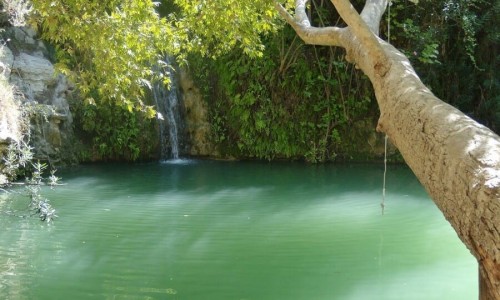
One of the most famous attractions near Platres is the Caledonia Waterfall. The walking trail leading to the waterfall is one of the most popular nature routes in Cyprus. It passes through shaded forest, follows a stream, and offers a refreshing experience, especially in spring and summer. The waterfall itself is a beautiful sight, with water falling into a rocky, green setting. For many visitors, a walk to Caledonia Waterfall is one of the highlights of a trip to Platres.
Another well-known natural attraction is Millomeris Waterfall, located close to the village. It is one of the highest waterfalls in Cyprus and has become increasingly popular with visitors. The route to the waterfall is relatively accessible, making it suitable for many people who want to enjoy nature without a very difficult hike. The area around the waterfall is peaceful and scenic, offering a perfect spot for photographs and quiet moments.
Apart from waterfalls, Platres offers several nature trails that allow visitors to explore the forest and mountain environment. These trails vary in length and difficulty, so both casual walkers and more experienced hikers can find something suitable. The mountain paths are especially beautiful in spring, when wildflowers appear, and in autumn, when the landscape takes on warmer colours. In summer, the shade of the forest provides relief from the heat, while in winter the area becomes quiet and atmospheric.
A Place of Seasons
One of the most attractive things about Platres is that it changes beautifully with the seasons. In summer, the village is cool, lively, and full of people escaping the heat. Restaurants and cafés welcome visitors, families walk through the village, and nature trails become popular. The fresh mountain air makes evenings especially pleasant.
In autumn, Platres becomes quieter and more romantic. The colours of the trees change, the air becomes crisp, and the village feels calm and reflective. This is one of the best seasons for walking, photography, and enjoying traditional food in a cosy setting.
Winter gives Platres a completely different character. The village can become cold and misty, and sometimes nearby areas of Troodos receive snow. Although Platres itself is not mainly a ski resort, it is close enough to the higher peaks of Troodos for visitors to combine a stay in the village with winter activities. The atmosphere during winter is peaceful, with fireplaces, warm drinks, and mountain views creating a cosy experience.
Spring is perhaps the most refreshing season. Streams flow more strongly, flowers bloom, and the forest feels alive. The waterfalls are often more impressive during this period, and the whole area becomes ideal for nature lovers.
Architecture and Village Character
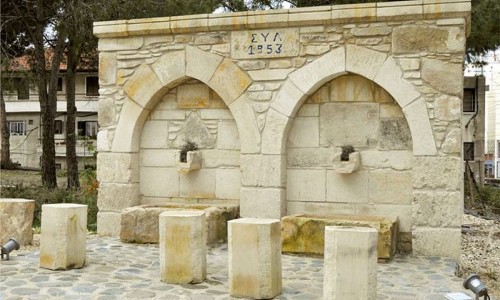
Platres has a charming architectural character that combines traditional Cypriot mountain style with elements from its history as a resort. Visitors can see stone houses, tiled roofs, balconies, old hotel buildings, gardens, and narrow roads that follow the natural shape of the mountain. The village does not feel flat or planned; instead, it rises and turns with the landscape, giving it a picturesque quality.
Many homes and buildings are surrounded by trees and flowers. This gives Platres a greener appearance than many other villages in Cyprus. Gardens are an important part of the village’s beauty, especially during spring and summer. The combination of stone, wood, plants, and mountain light creates a warm and inviting setting.
The centre of the village offers places to eat, drink coffee, buy local products, and enjoy a relaxed walk. Platres is not a large village, but it has enough life and facilities to make visitors feel comfortable. It is suitable for people who want nature without being completely isolated.
Food, Hospitality, and Local Flavours
Like many mountain villages in Cyprus, Platres is also a place where food plays an important role. Visitors can enjoy traditional Cypriot dishes, homemade sweets, mountain trout, grilled meats, meze, soups, pastries, and seasonal products. The cooler climate makes the village especially pleasant for long lunches and relaxed dinners.
Mountain hospitality is part of the experience. Restaurants and cafés often have a warm, family-friendly feeling, and the pace is slower than in the city. Whether someone stops for a coffee, a full meal, or a dessert after a walk, food in Platres becomes part of the village’s charm.
The surrounding Troodos region is also known for products such as wine, honey, herbs, fruits, and traditional sweets. Platres is close to other villages where visitors can discover wineries, local workshops, and traditional food producers. This makes it a good starting point for exploring the wider mountain culture of Cyprus.
Platres and Literature
Platres also has a special place in cultural memory. The village has been connected with poetry, travel writing, and artistic inspiration. Its romantic atmosphere, cool air, forests, and mountain scenery have inspired writers and visitors over the years. For many Cypriots, Platres is not only a destination but also an image of beauty, nostalgia, and escape.
The name of the village often brings to mind memories of childhood holidays, school trips, family walks, and summer visits. It has an emotional meaning for many people in Cyprus. This is one reason why Platres continues to remain popular even as tourism changes. It is not just a place to see; it is a place people remember.
Nearby Attractions
Platres is also well located for exploring other parts of the Troodos Mountains. From the village, visitors can easily travel to Troodos Square, Mount Olympus, Omodos, Prodromos, Kyperounda, and other mountain communities. This makes it a convenient base for day trips.
Omodos, one of the most famous wine villages in Cyprus, is not far away and offers traditional streets, a monastery, wineries, and local crafts. Troodos Square provides access to higher mountain areas and nature routes. The wider region is rich with churches, monasteries, vineyards, viewpoints, and villages, giving visitors many options for exploration.
For those interested in religious and cultural heritage, the Troodos area is known for its historic churches and monasteries. For nature lovers, the region offers forests, picnic sites, trails, and viewpoints. For food and wine lovers, the mountain villages provide authentic tastes and local experiences. Platres sits comfortably in the middle of all these possibilities.
Why Platres Remains Special
Platres remains special because it offers a balance that is not always easy to find. It is peaceful but not empty, historic but still alive, natural but accessible. It has the atmosphere of a traditional village, the memory of an elegant resort, and the beauty of a mountain escape.
For Cypriots, Platres is often connected with tradition and nostalgia. For foreign visitors, it offers a refreshing contrast to the beaches and coastal towns of the island. Many people who visit Cyprus expect sun and sea, but Platres shows them another side of the country: forests, waterfalls, mountain air, and quiet village life.
The village is suitable for different kinds of visitors. Families can enjoy walks and meals together. Couples can find romantic scenery and cosy places to stay. Hikers can explore trails and waterfalls. Older visitors can relax in the cool climate. Photographers can capture nature, old buildings, and mountain views. Even a short visit can feel rewarding.
Platres is one of the most beautiful and meaningful mountain villages in Cyprus. Its charm comes from a combination of nature, history, climate, and atmosphere. Surrounded by the forests of Troodos, it offers waterfalls, walking trails, traditional hospitality, and a peaceful escape from everyday life. At the same time, its history as a famous mountain resort gives it a unique character and elegance.
Whether visited for a few hours or for a longer stay, Platres leaves a strong impression. It reminds visitors that Cyprus is not only an island of beaches and sunshine, but also a land of mountains, forests, streams, traditions, and quiet beauty. For anyone wishing to discover the softer and greener side of Cyprus, Platres is a destination that truly deserves attention.
Near Platres Village
Other places within a short drive, closest first.