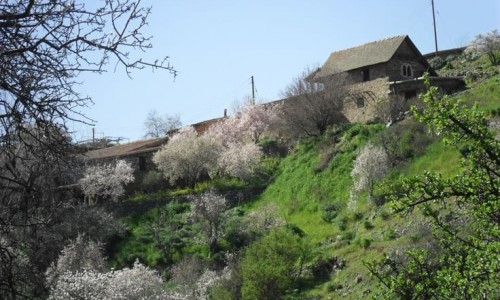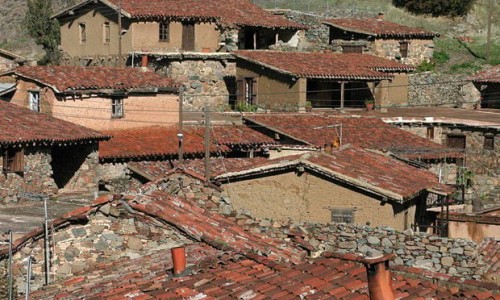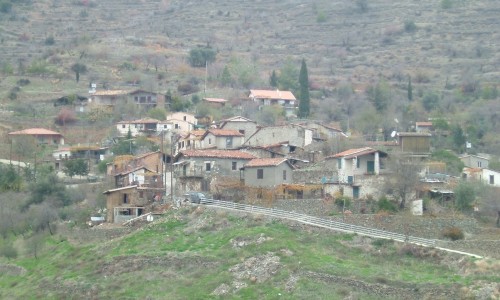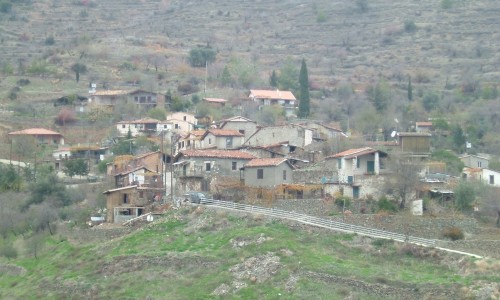

Silikou Village is a beautiful and peaceful settlement located in the Limassol district of Cyprus. Surrounded by hills, vineyards, olive trees and traditional countryside, the village offers visitors an authentic glimpse into rural Cypriot life. Its stone-built houses, narrow streets, old churches and agricultural traditions create a calm atmosphere that feels far removed from the noise and activity of the coastal towns.
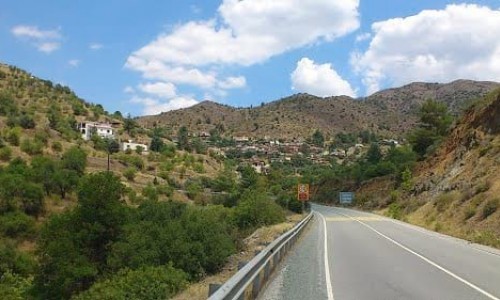
The village lies in a scenic area between the mountains and the lowlands, allowing it to enjoy a landscape filled with fertile fields and natural beauty. The surrounding countryside has supported farming for generations, and agriculture has always played an important role in the daily life of the local community. Vineyards, orchards and olive groves form part of the traditional landscape and contribute to the village’s strong connection with the land.
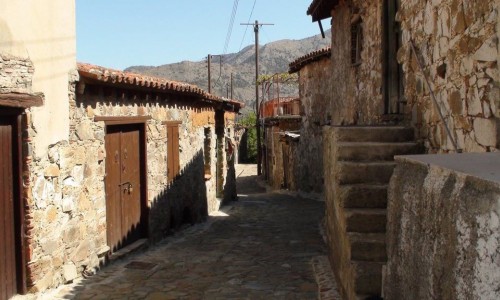
Silikou has a long history, reflected in its architecture and local traditions. Many of the older houses are built from stone and feature wooden doors, tiled roofs, inner courtyards and shaded balconies. These buildings represent the traditional style found in many Cypriot villages and demonstrate how local people adapted their homes to the climate and natural environment.
Walking through the village, visitors can discover quiet streets, small squares and traditional neighbourhoods that have preserved much of their original character. Although some buildings have been restored, the village continues to maintain a simple and authentic appearance. The slow rhythm of daily life adds to its charm and makes it an ideal destination for those seeking peace and relaxation.
The name of Silikou is linked with the village’s long past, although different explanations exist regarding its origin. Like many Cypriot villages, Silikou has been influenced by different historical periods and communities. These influences can still be seen in local customs, architecture and religious monuments.
The village is particularly known for its strong wine-making tradition. The wider Limassol countryside has been associated with grape cultivation for centuries, and Silikou is part of this important agricultural region. Local families traditionally grew grapes and produced wine, zivania and other products connected with the vineyard.
During the grape harvest season, village life was once filled with activity. Families worked together to collect grapes, transport them to presses and prepare traditional products. The harvest was not only an agricultural task but also a social event that brought relatives and neighbours together. These traditions played an important role in strengthening the sense of community.
In addition to grapes, the fertile land around Silikou has supported the cultivation of olives, almonds, carob trees and other crops. Olive oil production has also been an important part of local life. Traditional agricultural practices were passed from one generation to the next and helped shape the identity of the village.
One of the most interesting features of Silikou is its connection with commandaria, the famous sweet wine of Cyprus. The village lies within the wider commandaria-producing region, where the local climate and grape varieties create ideal conditions for producing this historic wine. Commandaria has been enjoyed for centuries and remains one of the island’s most recognised traditional products.
The vineyards around Silikou contribute greatly to the beauty of the landscape. During spring and summer, the vines create rows of green across the hillsides. In autumn, the changing colours of the leaves add warm shades of gold and red to the countryside. The vineyards are not only economically important but also form part of the village’s cultural heritage.
Religious life has always been significant in Silikou. The village contains churches and chapels dedicated to important Christian saints. These places of worship have served as spiritual and social centres for the community, bringing villagers together during religious celebrations, feast days, weddings, baptisms and other important occasions.
The Church of Agios Georgios is one of the village’s notable religious monuments. Its architecture reflects the traditional character of the area, while the interior creates a peaceful atmosphere for prayer and reflection. Churches such as this are closely connected with the history of the community and have witnessed generations of village life.
Small chapels can also be found in the surrounding countryside. These quiet religious sites are often located among fields, hills and trees, adding a spiritual element to the natural landscape. Many local families maintain a strong emotional connection with these chapels and visit them during annual celebrations.
Silikou is also known for the remains of an old mosque, which reflects the village’s multicultural past. For many years, Greek Cypriot and Turkish Cypriot communities lived in villages throughout Cyprus, sharing aspects of everyday rural life. The architectural remains connected with this history form an important part of the village’s cultural identity.
The presence of both Christian and Muslim monuments highlights the complex history of Silikou and of Cyprus more broadly. These buildings remind visitors that the island has been shaped by different communities, traditions and historical experiences.
One of the most attractive aspects of Silikou is its peaceful natural environment. The village is surrounded by hills, valleys and open countryside, making it suitable for walking and exploring. Visitors can enjoy fresh air, wide views and the gentle sounds of rural life.
The landscape changes with the seasons. Spring brings wildflowers, fresh greenery and mild temperatures. Summer creates warm golden colours across the fields, while autumn is connected with the grape harvest and changing leaves. Winter brings cooler weather and a quieter atmosphere, making the stone buildings and narrow streets feel especially traditional.
Nature lovers can explore the areas around the village and observe local plants, birds and agricultural landscapes. The countryside offers many opportunities for photography, particularly during sunrise and sunset when the light creates beautiful colours across the hills.
The traditional way of life in Silikou has always been based on family, farming and community. Older residents remember a time when many daily tasks were completed by hand and when neighbours depended on one another for help. Bread was baked at home, agricultural products were prepared seasonally and village celebrations were important social events.
Traditional foods also form part of the village’s heritage. Local families prepared dishes using ingredients produced in the surrounding area, including olive oil, grapes, vegetables, herbs and dairy products. Seasonal products were preserved so they could be enjoyed throughout the year.
Visitors may have the opportunity to taste traditional Cypriot dishes in nearby tavernas or during village events. Meals in the countryside are often simple but full of flavour, reflecting recipes that have been passed down through generations.
Silikou’s quiet character makes it a suitable destination for visitors who wish to experience Cyprus beyond the beaches and large tourist resorts. It offers a more personal and authentic connection with the island’s history, traditions and landscape.
The village is also well positioned for exploring other settlements in the Limassol countryside. Nearby villages, wineries, monasteries and nature areas can be included in a wider journey through the region. This makes Silikou an ideal stop for travellers interested in rural tourism.
One of the greatest pleasures of visiting Silikou is simply walking through the village without rushing. The stone walls, old doors, flower-filled courtyards and quiet streets reveal the beauty of everyday village life. Small architectural details help visitors imagine how families lived in the past.
The village’s traditional houses are especially attractive because they were built using local materials. Thick stone walls helped keep interiors cool during summer and warm during winter. Wooden shutters and shaded courtyards provided protection from the sun, while tiled roofs added to the distinctive appearance of the settlement.
Some houses have been carefully restored, allowing their original character to survive. These restoration efforts help protect the architectural heritage of the village and encourage visitors to appreciate traditional Cypriot building techniques.
Silikou also represents the challenges faced by many rural communities in Cyprus. Over the years, younger residents often moved to towns or abroad in search of employment and education. This caused the population of many villages to decrease.
Despite these changes, the village continues to preserve its identity through religious celebrations, family traditions and local agricultural practices. Former residents often return for festivals, holidays and family gatherings, maintaining a strong connection with their place of origin.
Village festivals are important occasions that bring people together. Music, food, religious ceremonies and traditional hospitality create a warm and welcoming atmosphere. These events help keep local customs alive and introduce younger generations to their cultural heritage.
Hospitality is an important part of life in Silikou. Visitors may be greeted warmly by residents, especially in the quieter streets and traditional neighbourhoods. This friendly atmosphere reflects the close social relationships that continue to exist in many Cypriot villages.
Photography enthusiasts will find many interesting subjects in Silikou. Stone houses, traditional doorways, village churches, vineyards and countryside views all provide beautiful images. The village’s natural colours and quiet atmosphere are particularly attractive during the early morning and late afternoon.
The village is ideal for a peaceful day trip, especially for those staying in Limassol. The journey into the countryside allows visitors to experience changing landscapes, from coastal areas to vineyards and hills.
A visit to Silikou can also be combined with wine tasting in the surrounding region. Local wineries offer visitors the opportunity to learn about Cypriot grape varieties, traditional production methods and the history of wine-making on the island.
The area’s wine culture is closely connected with Cypriot identity. Wine has been produced in Cyprus for thousands of years, and villages such as Silikou have helped maintain this heritage through family vineyards and traditional knowledge.
The village’s peaceful surroundings also make it a good place for relaxation. Visitors can enjoy a slow walk, sit in a quiet square or simply admire the view across the countryside. The absence of large crowds allows the natural character of the village to remain visible.
Silikou may not be one of the most famous tourist destinations in Cyprus, but this is part of its appeal. Its beauty lies in its simplicity, history and traditional atmosphere. It offers an experience that feels genuine and personal.
For travellers interested in culture, history and rural life, the village provides a meaningful look at the heart of Cyprus. Every stone house, church, vineyard and narrow path contributes to the story of the community.
Silikou Village remains a valuable part of the Limassol countryside. Its wine-making traditions, religious monuments, multicultural history and natural surroundings make it a destination worth discovering.
A visit to Silikou is an opportunity to slow down and appreciate the quieter side of the island. It allows visitors to connect with the land, traditions and people that have shaped rural Cyprus for generations.
Near Silikou Village
Other places within a short drive, closest first.