Kalo Chorio is a village in the district of Nicosia. It is located 28 kilometres northwest of the capital. According to the inventory in 2011, the village had 427 residents.

History

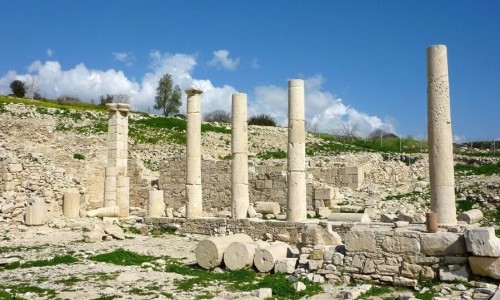
As the ancient ruins depict, the village existed during ancient times. An important number of ancient tombs from various archaic, classic and roman periods were found in the area. At the location “zithkionas” ruins form the ancient temple and a stone sacrifice area were found. Simos Menardos referred to the village as being given its name to cover up an ancient idololatric name. This occurred during the period of Christianity during 400 A.D while Theodosius A ruled. Many soldiers who stopped at Klirou attacked and ruined the temple. The villagers were scared and therefore welcomed them with olive branches. This eventually brought the village its name Kalo Chorio meaning good village which came from its good villagers.

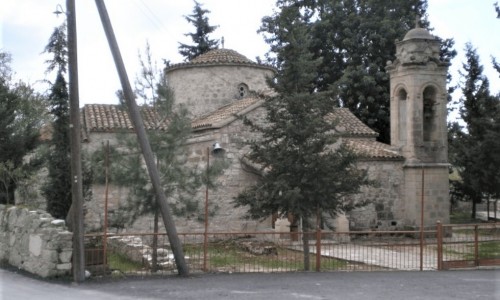
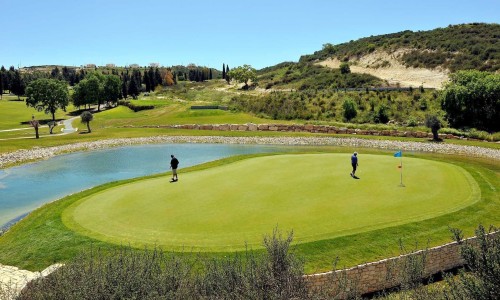
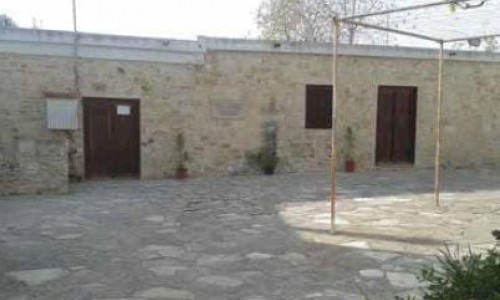
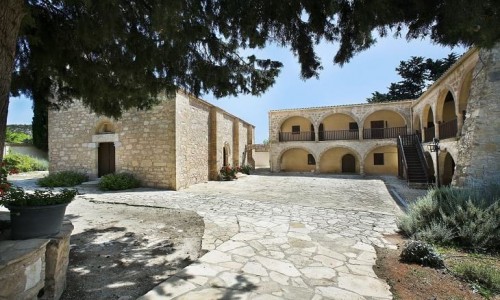
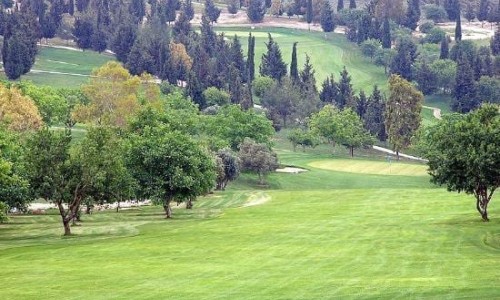
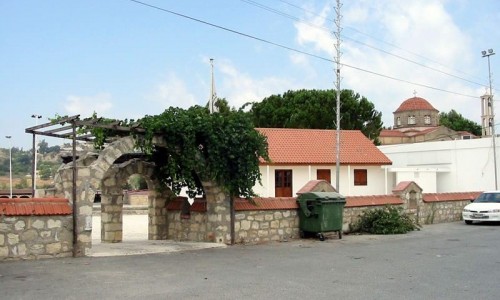
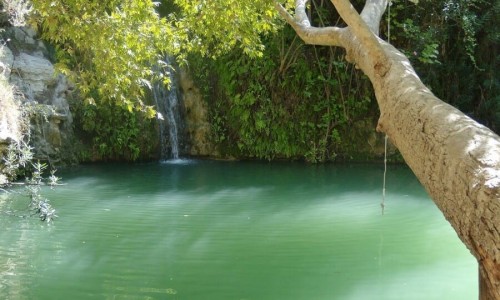
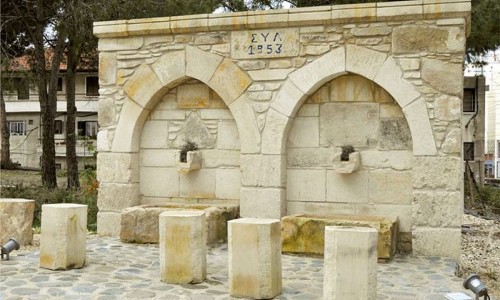
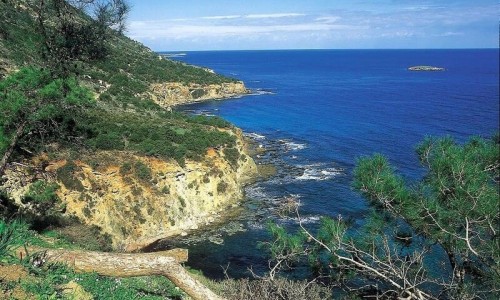
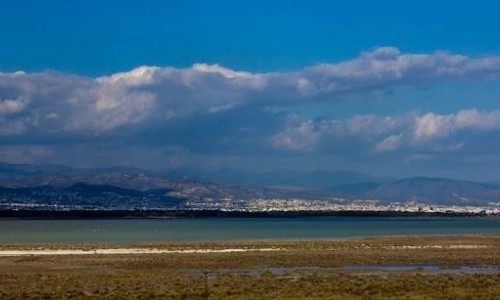
Kalo Chorio, Nicosia photos: 
Kalo Chorio, Nicosia location map: 

Nearby Places and things to do (within 5 km radius)

Agia Christina Church - Germasogeia

Agia Christina Church is situated in Limassol, in Germasogeia. The small Church was built during the 12th century and restored in 1996. Duri...

Kyparissia - Germasogeia Dam Nature Trail

Location: Germasogeia Dam District: Limassol Starting Point: About 5 kilometres from the main road of Pareklisia – Kellaki via dirt...

Akti Olympion Beach

Limassol is a city that effortlessly blends the old and the new, the vibrant and the tranquil, and nowhere is this fusion more evident than ...

Castella Beach, Limassol

Castella Beach is located in the Ayios Tychonas area in the Limassol district. It is also called La Isla beach due to the La Isla restaur...

Pattichion Municipal Museum - Historical Archive - Limassol Studies

Τhe Pattichion Municipal Museum - Historical Archive - Limassol Studies Centre is located in the old Eparch house next to the Municipa...

Limassol Archaeological Museum

The Limassol Archaeological museum was founded in 1948 and was originally housed in the Limassol Castle. In 1964, during the conflicts, the ...

Pages