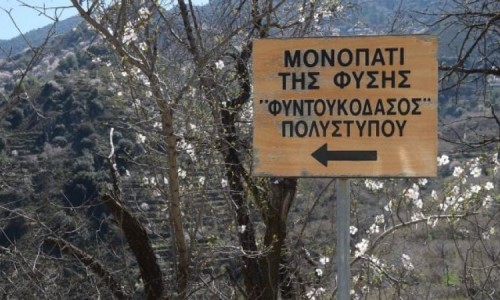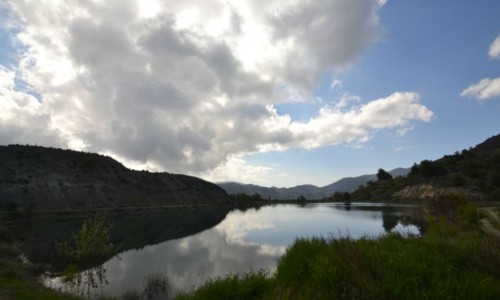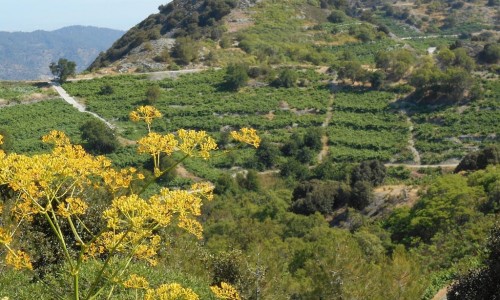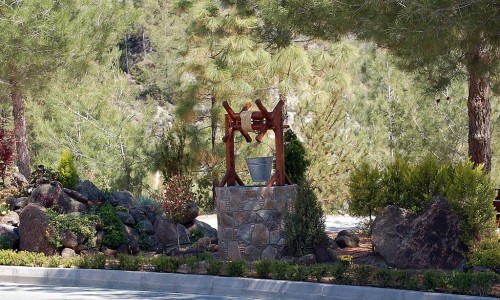
Polistipos is a small and peaceful mountain village in Cyprus, located in the Nicosia district, on the northern slopes of the Troodos mountain range. It is one of those quiet villages that may not be widely known to visitors, yet it carries a strong sense of traditional Cypriot identity. Surrounded by hills, greenery, cultivated land, and fresh mountain air, Polistipos offers a very different experience from the busy beaches and large towns of the island. It is a place where life feels slower, calmer, and more connected to nature.
The village is especially appreciated for its natural setting. Built at a high altitude, Polistipos enjoys cooler temperatures than many lowland areas of Cyprus, especially during the hot summer months. This makes it a pleasant destination for people who want to escape the heat and enjoy the refreshing atmosphere of the mountains. The surrounding landscape is full of trees, fields, slopes, and open views, creating a peaceful environment that changes beautifully throughout the year.
In spring, Polistipos becomes especially attractive. The countryside around the village fills with fresh greenery, wildflowers, and blossoming trees. The air is clean and cool, and the village feels alive with colour. This is one of the best times to visit, especially for those who enjoy nature walks, photography, or simply spending time outdoors. The contrast between the traditional stone houses and the green landscape gives the village a charming and picturesque appearance.
Summer in Polistipos is quieter and cooler than in the coastal areas of Cyprus. While the towns and beaches can become very hot and crowded, mountain villages like Polistipos offer shade, fresh air, and a more relaxed atmosphere. Many people from the cities visit villages like this to rest, enjoy traditional food, or reconnect with family roots. The sound of birds, the movement of the wind through the trees, and the silence of the narrow streets all contribute to the village’s calm character.
Autumn brings another kind of beauty to Polistipos. The colours of the countryside begin to change, and the village takes on a warmer, softer appearance. It is a season associated with harvests, agricultural work, and preparation for winter. In mountain villages, autumn has always been an important time of year, as families gathered produce from the land and prepared traditional foods. Even today, the season gives Polistipos a nostalgic and peaceful feeling.
Winter in Polistipos is quiet and atmospheric. The mountain air becomes colder, and the village takes on a more secluded character. On misty or rainy days, the stone houses, narrow roads, and surrounding hills create a beautiful rural scene. Although winter is not the busiest season for visitors, it is a time when the village’s simplicity and authenticity can be appreciated most clearly. The calmness of the landscape gives Polistipos a special charm.
The architecture of Polistipos is one of the features that gives the village its traditional identity. Like many old Cypriot mountain villages, Polistipos includes houses built with local stone, tiled roofs, wooden doors, and small courtyards. These homes were designed to suit the mountain climate and the practical needs of rural life. Thick stone walls helped keep houses cool in the summer and warmer in the winter, while courtyards provided space for daily activities, storage, and family gatherings.
Walking through the village, visitors can observe details that reveal the older way of life. Narrow roads, simple village houses, small gardens, old walls, and traditional entrances all contribute to the atmosphere. Polistipos is not a place of grand monuments or large tourist attractions. Its beauty is found in small details: a quiet lane, a view over the hills, a stone-built house, a church bell, or a shaded corner where older villagers may once have gathered.
The village church is an important part of Polistipos, as it is in most Cypriot villages. Churches in mountain communities have traditionally been more than places of worship. They were also central to social life, local identity, and community gatherings. Religious feast days, weddings, baptisms, memorials, and celebrations would bring villagers together and strengthen the bonds of the community. The church often stands as a symbol of continuity, connecting past and present generations.
Polistipos also has strong agricultural roots. For many years, the daily life of the village was closely connected to the land. Families depended on farming, orchards, vineyards, olive trees, and small-scale cultivation. The surrounding countryside provided food, work, and income. This agricultural tradition shaped the rhythm of life in the village, with each season bringing different tasks and responsibilities. Planting, pruning, harvesting, preserving, and preparing food were all part of the rural cycle.
Fruit trees and mountain crops are part of the wider identity of villages in this region. The fertile mountain slopes and cooler climate made it possible for villagers to grow different types of produce. Agriculture was not only an economic activity but also a way of life. It influenced family routines, local customs, food traditions, and even the layout of homes and storage areas. In Polistipos, as in many mountain villages, the land was deeply connected to memory and identity.
Traditional Cypriot hospitality is another important aspect of villages like Polistipos. Although the village is small, its atmosphere reflects the warmth and simplicity often associated with rural Cyprus. In older times, village life was based on close relationships between neighbours and families. People knew one another, helped each other during difficult times, and gathered during celebrations. This strong sense of community is one of the reasons why villages continue to hold emotional importance for many Cypriots, even if they no longer live there permanently.
Like many mountain villages in Cyprus, Polistipos has experienced changes over time. In the past, villages were lively communities with families, children, farmers, craftsmen, and local shops. Over the years, many younger people moved to larger towns and cities for education, employment, and modern opportunities. As a result, the permanent population of many villages decreased. However, this does not mean that these villages lost their importance. On the contrary, places like Polistipos continue to represent heritage, family history, and the traditional character of Cyprus.
For many Cypriots, mountain villages are connected to childhood memories, grandparents, summer visits, religious festivals, and family homes. Even when people move away, they often return during holidays, feast days, or weekends. Polistipos may be small, but it carries this same emotional value. It is part of the wider story of rural Cyprus, where villages remain important symbols of belonging and identity.
Polistipos is also a lovely destination for visitors who enjoy quiet exploration. It is not the type of place where one goes for a packed itinerary. Instead, it is best experienced slowly. A visitor can walk through the village, admire the traditional architecture, enjoy the views, listen to the sounds of nature, and take in the mountain atmosphere. The village encourages a slower form of travel, where the aim is not to rush from one attraction to another but to appreciate the feeling of the place.
The surrounding region is suitable for scenic drives and countryside exploration. Roads through the Troodos foothills often pass through small villages, forests, valleys, and cultivated areas. Polistipos can be combined with visits to nearby communities, nature spots, monasteries, or mountain viewpoints. This makes it a good stop for travellers who want to discover the less commercial side of Cyprus and see how the island’s rural communities fit into the mountain landscape.
Nature lovers may enjoy the peaceful countryside around Polistipos. The area offers opportunities for walking, observing plants and trees, and enjoying the seasonal colours of the mountains. Even a short walk around the village can reveal beautiful views and quiet corners. The natural environment is one of the village’s strongest features, especially for those who prefer simple and authentic experiences rather than crowded tourist locations.
The village’s quietness is part of its attraction. In a modern world where many places are busy, noisy, and fast-moving, Polistipos offers stillness. This stillness allows visitors to notice things that are often missed elsewhere: the texture of old stone walls, the scent of mountain air, the sound of leaves, the shape of the hills, and the peaceful rhythm of village life. It is a place that invites reflection and relaxation.
Polistipos is also a reminder of the importance of preserving traditional villages. Small communities like this are part of Cyprus’s cultural landscape. They show how people lived before modern development changed the island. Their architecture, churches, fields, paths, and customs all form part of the country’s heritage. Protecting and appreciating these villages helps keep alive the memory of rural Cyprus and the values connected with it.
Although Polistipos may not have the fame of larger mountain villages, this can be seen as one of its strengths. Its charm lies in its modesty. It has not been transformed into a busy tourist centre, and this gives it a more authentic feeling. Visitors who come here should not expect luxury attractions or large crowds. Instead, they should expect simplicity, nature, history, and peace.
For photographers, Polistipos offers many beautiful scenes. Traditional houses, mountain views, old doors, stone walls, trees, and quiet streets can all become interesting subjects. The light in mountain villages changes throughout the day, creating different moods in the morning, afternoon, and evening. The village is especially appealing for those who enjoy capturing authentic rural places rather than staged tourist scenes.
For writers, artists, or anyone seeking inspiration, Polistipos can also be a meaningful place. Its calm environment and traditional character create a setting that encourages thought and creativity. The quietness of the village allows the mind to slow down, while the surrounding landscape provides a sense of space and natural beauty. This is part of the special appeal of many mountain villages in Cyprus.
Food and local traditions are also part of the broader village experience. While Polistipos itself is small, the mountain regions of Cyprus are strongly associated with traditional cooking, homemade products, preserved fruits, bread, wine, herbs, and seasonal dishes. A visit to a village like Polistipos can be combined with tasting local Cypriot food in the wider area. The connection between food, land, and hospitality is an essential part of rural Cypriot culture.
The village is suitable for people who want to experience Cyprus beyond the typical tourist image. Many visitors know Cyprus for its beaches, ancient ruins, and seaside towns, but the island’s mountain villages reveal another side of its identity. They show a quieter and more traditional Cyprus, shaped by agriculture, religion, family life, and the natural environment. Polistipos is a good example of this side of the island.
A visit to Polistipos can be especially rewarding for those who enjoy authenticity. It is not a place that tries to impress through size or commercial development. Instead, it offers a genuine village atmosphere. The experience is simple but meaningful: walking through old streets, breathing fresh mountain air, looking across the hills, and feeling connected to a slower way of life.
In many ways, Polistipos represents the heart of rural Cyprus. It tells the story of mountain communities, agricultural traditions, family roots, and the relationship between people and the land. Its quiet beauty may be understated, but it is deeply connected to the island’s heritage. For visitors who take the time to appreciate it, Polistipos can leave a lasting impression.
In conclusion, Polistipos village is a peaceful and traditional mountain community that offers an authentic glimpse into Cypriot village life. With its natural surroundings, cooler climate, stone-built character, agricultural heritage, and calm atmosphere, it is a place of simplicity and beauty. It may not be one of the most famous destinations in Cyprus, but that is exactly what makes it special. Polistipos is a village to be explored slowly, appreciated quietly, and remembered for its genuine connection to the land, the mountains, and the traditions of Cyprus.
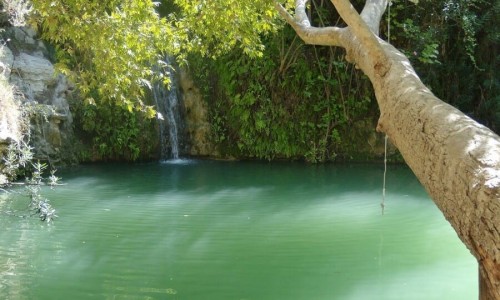
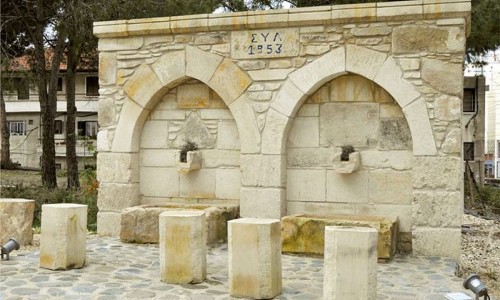
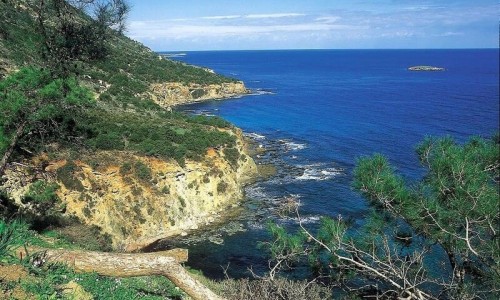
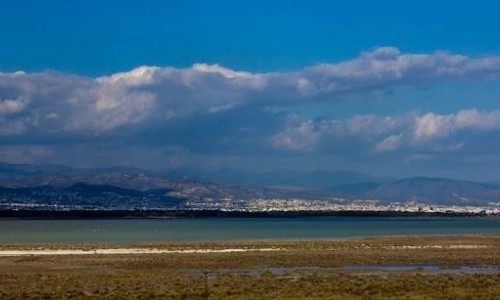
Near Polistipos Village
Other places within a short drive, closest first.