
Marki Village is one of those places in Cyprus that may seem quiet at first, yet slowly reveals its charm through its atmosphere, history, and connection to the land. Located in the Nicosia district, it represents the peaceful side of inland Cyprus, away from the busier city streets and the more crowded coastal resorts. It is not a place that demands attention through grand spectacle. Instead, it leaves an impression through simplicity, calmness, and the feeling of continuity that many traditional villages still preserve.
One of the most appealing things about Marki is its balance between rural character and accessibility. Because it is relatively close to Nicosia, it feels connected to modern life, yet it still maintains the more settled rhythm of a village community. This gives it a special identity. It does not feel isolated, but neither does it feel overwhelmed by the pressure of urban life. For many people, that balance is exactly what makes such villages attractive. They offer room to breathe, quieter surroundings, and a stronger connection to everyday tradition, while still remaining within reach of the capital.
Like many villages in Cyprus, Marki carries a sense of history that goes far beyond what is immediately visible. Villages on the island are often shaped by centuries of community life, agricultural activity, faith, and local tradition. Marki is no exception. Even if it appears modest in size, it belongs to a much larger historical and cultural landscape. Generations of people have lived there, worked the land around it, built homes, raised families, and passed on customs from one era to the next. This continuity gives the village a quiet depth. It is not simply a place to pass through, but a place shaped by memory.
The countryside around Marki is an important part of its identity. Inland Cyprus has a beauty that is different from the sea. Instead of waves and beaches, the scenery is defined by open land, cultivated fields, low hills, and seasonal changes in color and light. During spring, the area can feel fresh, green, and full of life, while in summer it may take on the warm golden tones typical of the Cypriot countryside. In autumn and winter, the landscape can become softer and more subdued, with a peaceful mood that suits village life perfectly. These changing seasons give Marki a living quality, reminding people that the village is closely linked to the natural world around it.
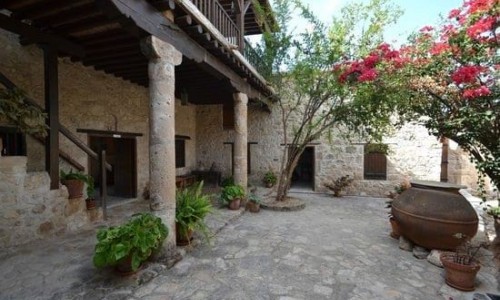
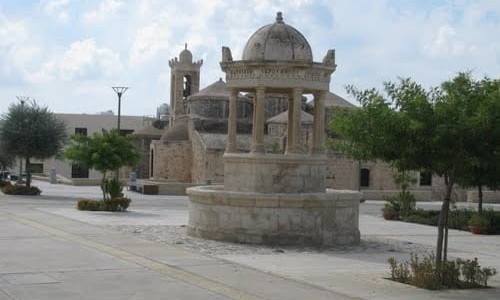
There is something very human about the scale of a village like Marki. It does not overwhelm visitors with size or noise. Instead, it invites them to slow down and notice smaller things. A village lane, a simple house, a church, a courtyard, a line of trees, or the silence of an afternoon can all become meaningful details. In such places, the beauty is often not dramatic, but deeply genuine. It comes from proportion, familiarity, and the calm relationship between buildings, landscape, and daily life.
Marki also reflects the importance of village culture in Cyprus. Villages have always played a central role in preserving the island’s traditions, values, and community spirit. Even when modern development changes the way people live, villages continue to carry something essential from the past. In Marki, that spirit can be sensed in the atmosphere of the place itself. It is the feeling of belonging, continuity, and shared space. Villages are not only collections of houses. They are communities, shaped by relationships between people and by the customs that have been passed down over time.
This sense of community is one of the strongest qualities a village can have. In a smaller place like Marki, life often feels more personal. People are more likely to know each other, local routines become part of the rhythm of everyday life, and there is often a stronger sense of shared identity. That does not mean village life is simple in every way, but it does mean that the social fabric can feel more visible. In a world where many people experience life as rushed and disconnected, places like Marki offer a reminder of a different way of living, one based more on closeness, familiarity, and a slower pace.
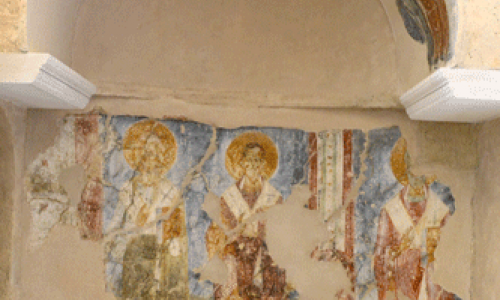
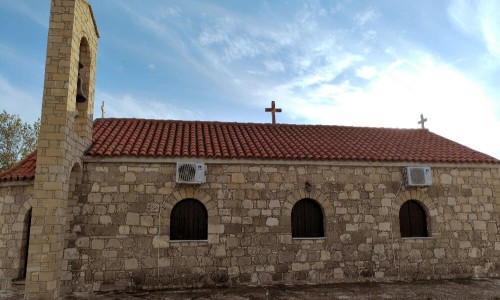
Another important part of the village’s character is its relationship with tradition. In Cyprus, many villages preserve a strong link to religious life, local celebrations, and long-established customs. Churches often stand at the heart of village identity, not only as places of worship but also as symbols of continuity and belonging. In Marki, as in many other villages, this connection between faith, tradition, and local life adds depth to the village’s atmosphere. It creates a sense that the village is part of something larger than the present moment, tied to the lives and beliefs of earlier generations as well.
The appeal of Marki also lies in its modesty. Some places are famous because they are large, dramatic, or heavily promoted. Others are memorable because they feel authentic and unforced. Marki belongs to the second category. It is not defined by mass tourism or by an image created for visitors. Instead, its charm comes from being a real, lived-in place. That authenticity matters. It allows people to experience a more natural and sincere side of Cyprus, one that is rooted in ordinary life rather than performance.
Villages like Marki are important because they preserve the quieter emotional landscape of the island. When people think of Cyprus, they often imagine beaches, resorts, archaeological sites, or mountain destinations. Yet the heart of the island can also be found in smaller inland communities, where history and daily life continue side by side. Marki represents that side of Cyprus. It may not always appear in the most famous travel discussions, but it reflects something essential about the island’s character: calmness, resilience, community, and a close relationship with the land.
Its location near Nicosia makes this even more interesting. Villages near the capital often stand at the meeting point between old and new Cyprus. They feel the influence of the city, yet still preserve much of their own identity. In this way, Marki is not frozen in the past. It is part of the present, adapting as all communities do, while still holding onto its village nature. This balance between continuity and change gives it a special relevance. It shows how a place can move forward without losing the qualities that make it unique.
There is also a certain quiet dignity in villages like Marki. They may not have grand monuments or famous landmarks, but they possess something just as valuable: a strong sense of place. The roads, fields, buildings, and open spaces all work together to create an environment that feels settled and real. Such villages remind us that significance does not always come from fame. Sometimes it comes from endurance, from the way a place continues to exist with character and meaning across generations.
For visitors, Marki can offer a different kind of experience from more commercial destinations. Instead of crowds and fast-paced sightseeing, it invites observation and reflection. A person walking through or around the village may notice the stillness of the landscape, the closeness of the countryside, and the way the village seems to fit naturally into its surroundings. This creates a more personal and thoughtful experience. The beauty of the place is something that unfolds gradually rather than all at once.
There is also a certain warmth in the way villages are remembered. People often associate them with childhood visits, family roots, festivals, shared meals, and simpler moments. Even for those without a direct personal connection to Marki, the village can awaken that kind of feeling. It represents the Cyprus of neighborhoods, local ties, and open land. In that sense, it is not only a physical location but also part of a wider emotional geography, the kind of place that helps define what home, memory, and belonging can mean.
Marki can also be appreciated as part of the larger story of rural Cyprus. Across the island, villages have faced the challenge of maintaining their identity in changing times. Some have grown, some have become quieter, and others have transformed in different ways. Yet they remain vital to understanding Cyprus as a whole. They preserve the texture of the island’s social and cultural history. Marki, in its own quiet way, contributes to that wider picture. It reminds us that the life of a country is not contained only in its cities, but also in the villages that continue to shape its character.
The natural environment around the village adds to this sense of permanence. Fields, trees, open skies, and the changing light of the Cypriot countryside give the area a peaceful and grounded feeling. Such surroundings influence the mood of a place. They make village life feel more connected to time and season, and less separated from the land. That connection is one of the reasons many people find villages so appealing. In places like Marki, one can still feel that older relationship between people and nature, even within modern life.
In the end, Marki Village is special not because it is loud or famous, but because it reflects the enduring qualities that make village life in Cyprus so meaningful. It offers peace without emptiness, history without display, and tradition without needing to explain itself. It stands as a reminder that some of the most valuable places are the ones that remain steady, rooted, and genuine. Marki may be modest, but it carries the quiet beauty of community, memory, and landscape, and that is exactly what makes it memorable.
Near Marki Village
Other places within a short drive, closest first.