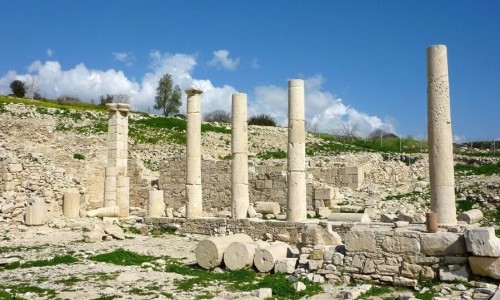
Pyroi or Pyroein or Pyrogi is a village in the district of Nicosia which is currently under the Turkish occupation.

It has been under the Turkish occupation since the war during August 1974. Until the war it was a mixed village, with the majority of the population being Greek. During the 1920’s the number of residents was 177 which then increased to 295 according to the inventory in 1946. Throughout the freedom war of EOKA (1955-59), the British created a prison camp where they kept anyone who was part of EOKA.

After Cyprus’ independence in 1960, the population reached 466 residents out of which the 374 were Greek and the 86 were Turkish. During the 1974 invasion and specifically during the Attila attack number 2, the village was defended by 30 men of the 31 MK under the ordered of the general Andreas Georgiades. Pyroi finally fell into the invaders’ hands on the 17th of August after seven hours of defence.

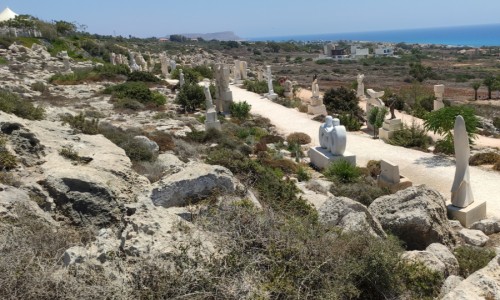
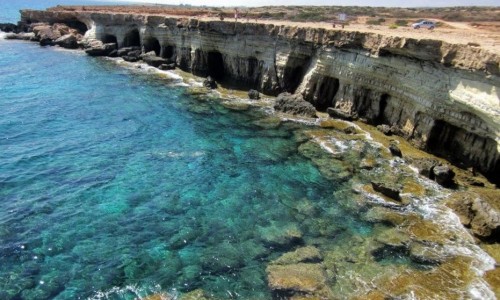
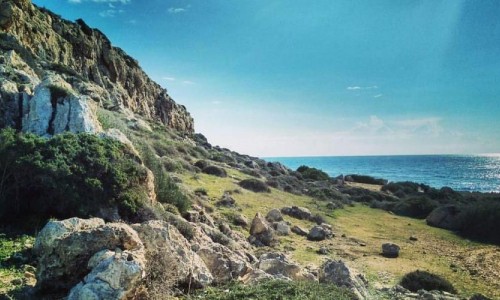
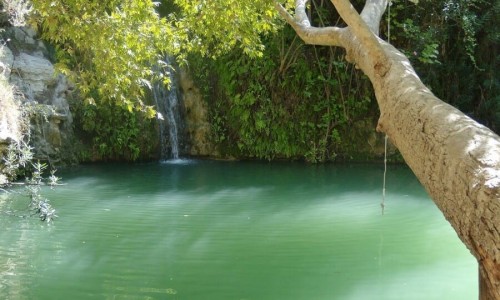
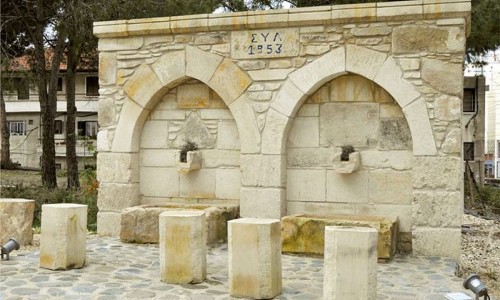
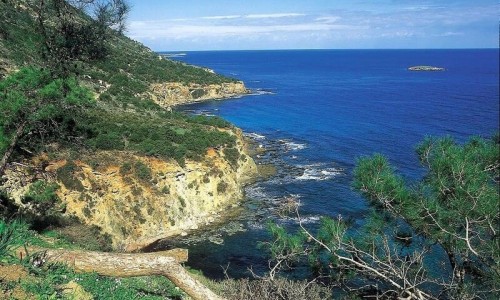
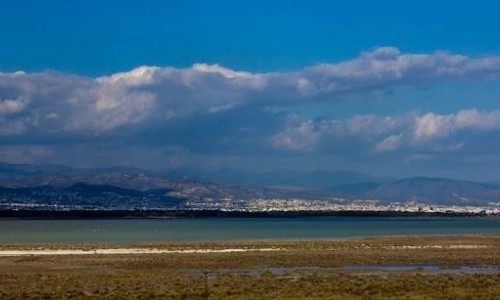
Pyroi Village photos: 
Pyroi Village location map: 

Nearby Places and things to do (within 5 km radius)

Fontana Amorosa, Akamas

The Fontana Amoroza Beach is situated in the west part of Cyprus, more specifically in the Akamas Peninsula of the Paphos  district. Th...

Agios Kononas Chapel - Akamas

The Agios Kononas Chapel is located in the area of Akamas, near the Neo Chorio village in the Paphos district. It was built on the remains o...

Agios Epifanios Chapel - Akamas

The Agios Epifanios Chapel is located in the Akamas area, near the National Park of the Akamas Peninsula. The ruins of this church form p...

Magnesium Mine in Akamas

Magnesite is a carbonate mineral or magnesium. Its name comes from magnesium which is the basic ingredient, and from its white colour. It...

Inia Turtle museum

 The first of a kind Turtle Museum in Cyprus is ready to be created and operate in the community of Inia locate in Akamas , in the Paph...

Pyrgos tis Rigenas (Rigena Tower) Byzantine Monastery – Akamas

There are many places in Cyprus in which there are towers related to Rigena. One of these towers, according to the local tradition is locate...

Pages