
Tamassos Dam is one of those places in Cyprus that doesn’t announce itself. It doesn’t try to be a headline attraction. There’s no sense of performance around it—no crowds, no queues, no “must-see” pressure. And that’s exactly where its charm lives. It’s a working piece of Cyprus, a quiet resource for water security, wrapped in a landscape that invites you to slow down and actually notice where you are.
Below is a deeper, more extended look at Tamassos Dam—its setting, its mood, its seasons, and why it feels like a meaningful countryside escape even when you’re doing almost nothing at all.
A quiet cornerstone in a water-hungry island
Cyprus has always had a complicated relationship with water. The island’s climate is generous with sunlight but not always generous with rainfall. Winters can bring heavy rain, yet summers stretch long and dry. Rivers and streams that look lively in colder months can shrink or disappear entirely when the heat settles in.
That’s why dams matter here. They’re not just “structures.” They’re strategies. They represent planning, protection, and survival in a landscape that can flip quickly between abundance and scarcity. Tamassos Dam belongs to that network of reservoirs that help Cyprus manage water through the year—storing what arrives in winter, then carrying communities through the months when the land becomes thirsty again.
When you stand near the reservoir, you feel that contrast: water gathered intentionally, held carefully, surrounded by hills that can look soft and green one season and dry and golden the next. It’s Cyprus in miniature—beautiful, practical, and a little vulnerable to the rhythms of the climate.
The setting: countryside calm with wide, open views
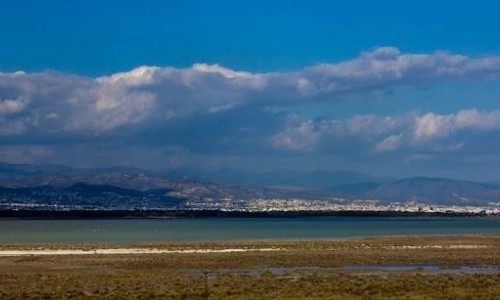
One of the most striking things about Tamassos Dam is the sense of openness. The landscape around it tends to feel spacious and airy. It’s not dense forest or dramatic cliffs; it’s more the classic inland Cypriot countryside—rolling ground, shrubs, grasses, scattered trees, and that huge, bright sky that makes everything feel larger.
The water adds a visual softness to the scene. Reservoirs have a way of calming a landscape: they slow the eye down. Your gaze lingers because there’s a reflective surface, a horizon line, an edge where land meets water and shapes become simpler.
Depending on where you stand, you might get:
- long sightlines across the reservoir,
- hill silhouettes in the distance,
- small patches of vegetation near the shore,
- and big skies that change color throughout the day.
It’s the kind of place where even a basic photo looks good, not because it’s dramatic, but because it’s balanced and peaceful.
The experience: simple walking, quiet thinking, gentle nature
Tamassos Dam is ideal for low-pressure outdoor time. It’s not a destination that demands an itinerary. It’s more like a pause button.
People come for different reasons, but the best ones all have a similar mood:
- a walk without needing to “achieve” anything,
- a few minutes of quiet, alone or with someone you can be silent with,
- a change of scenery from city streets and screens,
- fresh air and open space, especially when your head feels heavy.
It’s also a place where small details become the main event:
- how the wind moves across the water,
- the sound of birds far away,
- the way the surface brightens when the sun breaks through,
- the ripple patterns and reflections that change every minute.
You don’t need to plan activities here. The “activity” is simply being present.
Reservoirs feel alive because they don’t stay the same. Tamassos Dam can look different from month to month, even week to week, depending on rainfall patterns and seasonal demand.
Sometimes the water feels expansive—almost lake-like—creating that serene, mirror effect where sky and water become one. Other times the level drops and you see the shoreline expand. Rocks and earth that were once underwater reappear, forming natural lines and textures like a slow reveal.
This changing waterline is more than a detail. It makes climate and season visible in a way that’s hard to ignore. It quietly tells a story:
- how wet the winter has been,
- how dry the summer is becoming,
- how the island is moving through its cycle.
For a visitor, that means repeat visits never feel identical. You start noticing the place as something dynamic, not static.
Seasons at Tamassos Dam
Spring: Cyprus at its most generous
Spring is usually the most rewarding time to visit. The landscape feels fresh, and the surrounding vegetation can look lively and bright. The air has that clean, post-rain quality, and the overall mood is lighter. If you’re the type who loves wildflowers, soft light, and comfortable walking weather, this is when the dam can feel especially beautiful.
Summer: stillness, heat, and golden tones
In summer, everything slows down. The hills shift to warm, dry colors—gold, beige, dusty green. The heat makes the air feel thicker, and midday can be too intense. But early mornings and late afternoons can be lovely: calmer temperatures, long shadows, and that warm Mediterranean glow.
Summer visits feel more minimal—almost meditative—because the landscape becomes simpler and quieter.
Autumn: softer light and a sense of reset
Autumn is a great time for people who like gentle weather without the intensity of summer. The light can be beautiful—softer, lower, more cinematic. The dam area often feels calmer in this season, like the island is exhaling after the heat.
Winter: moody skies and fresh air
Winter can be unexpectedly atmospheric. After rains, the air feels sharp and clean, and the landscape can regain a bit of green. Skies might be moody, with dramatic cloud shapes that reflect beautifully on the water when conditions are right. It’s not always predictable, but on the right day, winter can offer some of the most striking scenery.
Wildlife and the quiet life of the water
Water in Cyprus attracts life—especially when the surroundings are drier. Even if you don’t see many animals directly, you often feel their presence.
Birds are usually the most noticeable. You might spot them gliding low over the reservoir or hear them from shrubs and trees. Around the shoreline, there’s often subtle movement—small creatures, insects, and changes in plant life where moisture lingers longer.
For nature lovers, this is one of the quiet pleasures of places like Tamassos Dam: it becomes a little hub of life, even when the wider countryside feels sparse.
If you’re into photography or birdwatching:
- early morning is best for activity and soft light,
- late afternoon is excellent for warm color and reflections.
The emotional pull: a place that makes you breathe differently
Some places offer excitement. Tamassos Dam offers relief.
It’s the kind of location that feels like it clears space in your head. The wide view relaxes your eyes. The quiet relaxes your body. Even a short walk can feel like a mental reset.
It’s also a reminder of a different Cyprus—one that exists beyond the coast, beyond tourism, beyond busy streets. Inland Cyprus has a slower rhythm. The dam sits within that rhythm naturally. It’s useful, calm, and honest.
If you’ve had a long week, this kind of landscape can feel like a gentle correction—bringing you back to a simpler pace.
How to enjoy it more
You don’t need much, but a few small choices make a big difference:
- Go early or late for the best light and calmer temperatures.
- Bring water and comfortable shoes.
- Don’t rush—give yourself time to stand and look, not just walk.
- If you like photos, visit when the wind is low for better reflections.
- Treat it like a quiet escape, not a checklist destination.
Why Tamassos Dam stays with you
Tamassos Dam doesn’t try to impress you with spectacle. Instead, it leaves an impression through mood: open space, changing water, countryside stillness, and that subtle feeling of stepping outside the busy world.
It’s a place where:
- you can walk without a goal,
- you can talk without noise,
- you can be quiet without awkwardness,
- and you can leave feeling just a bit lighter.
Near Tamassos Dam, Cyprus
Other places within a short drive, closest first.