Lefka Dam is one of the quieter and less widely promoted reservoirs of Cyprus, yet it belongs to a landscape with deep natural, agricultural, and historical importance. Situated near the area of Lefka, in the north-western part of the island, the dam reflects a side of Cyprus that is often overlooked. It is not a place of busy tourist facilities, organized promenades, or dramatic commercial development. Instead, it is a calm and practical reservoir, surrounded by countryside, hills, seasonal vegetation, and the broader rural character of the region.
Like many dams in Cyprus, Lefka Dam was created for a practical purpose: to collect and store water. However, over time, places like this become more than engineering works. They become part of the landscape. They influence farming, support local ecosystems, change the appearance of the countryside, and offer peaceful scenery for those who enjoy exploring quieter parts of the island.
The charm of Lefka Dam lies in its simplicity. It is not a grand attraction in the usual sense, but it has atmosphere. Its waters, when full, soften the dry Cypriot terrain around it. Its exposed banks, when water levels are low, reveal the harsh reality of the island’s climate. In both conditions, the dam tells a story about Cyprus and its constant relationship with water.
The Setting of Lefka Dam
Lefka Dam is associated with the wider Lefka region, an area historically connected with agriculture, mining, rural settlements, and the foothills of the Troodos Mountains. The landscape around the dam combines elements of mountain and lowland Cyprus. Hills rise in the background, while valleys and cultivated areas stretch across the surrounding countryside.
This position gives the dam a varied and interesting character. It is close enough to the mountains to receive seasonal water flow, but also connected to agricultural land that depends on irrigation. The dam therefore sits at a meeting point between nature and human need. It collects water from the surrounding catchment area and helps support the land below it.
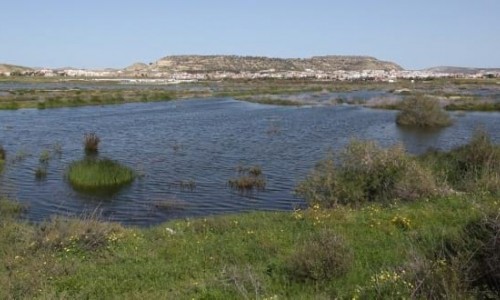
The scenery changes depending on the time of year. In the wetter months, the reservoir may appear fuller and more peaceful, with reflections of the sky and hills on the water surface. In dry months, the water level may fall, and the surrounding earth becomes more visible. These seasonal changes are typical of reservoirs in Cyprus and are part of their visual identity.
The area is generally quiet and rural. Unlike the island’s coastal resorts, where development is dense and visitor activity is constant, Lefka Dam offers a slower and more understated experience. It is the type of place that appeals to people who enjoy natural scenery, countryside exploration, photography, and discovering locations away from the usual tourist routes.
A Reservoir Built for Necessity
The main purpose of Lefka Dam was irrigation. Cyprus has always faced the challenge of limited rainfall, especially during the long summer season. Rain usually falls between autumn and spring, while the summer months are hot and dry. This makes water storage essential.
Before modern reservoirs became common, many communities relied on wells, springs, streams, and traditional irrigation channels. These methods were important but often unreliable during periods of drought. As agricultural needs increased, dams became a necessary part of water management across the island.
Lefka Dam helped store winter rainfall and seasonal runoff so that water could be used later, especially for farming. In rural areas, this kind of water storage was not simply convenient; it was vital. Crops, orchards, and cultivated fields depended on the availability of irrigation water during dry periods.
The dam therefore belongs to the broader story of agricultural development in Cyprus. It shows how local communities adapted to a climate where water could never be taken for granted. In this way, Lefka Dam is both a piece of infrastructure and a symbol of survival in a dry Mediterranean environment.
Lefka and the Agricultural Landscape
The Lefka area has long been linked with fertile land and cultivation. The presence of water sources, river valleys, and suitable soil made agriculture an important activity in the region. Citrus groves, vegetables, and other crops have historically formed part of the local economy.
A dam in such a setting becomes part of the agricultural rhythm of the area. Water collected during the rainy season supports growth during drier months. Farmers depend on careful use of this resource, especially during years when rainfall is low.
The relationship between the dam and agriculture is easy to understand when looking at the surrounding countryside. Fields, orchards, and rural roads all point to a way of life shaped by the land. Lefka Dam supports this landscape by helping to regulate the availability of water.
This connection also gives the dam cultural meaning. It is not just a body of water; it is part of the working countryside. It supports livelihoods, traditions, and local knowledge built around farming and seasonal change.
The Importance of Water in Cyprus
To understand Lefka Dam properly, it is important to understand the importance of water in Cyprus. The island’s climate creates a natural imbalance: rainfall arrives mainly in winter, but demand for water is highest in the hot summer months. Agriculture, households, tourism, and industry all rely on careful water management.
Dams are one of the most visible signs of this effort. Across Cyprus, reservoirs have been constructed to store seasonal water and reduce dependence on unpredictable natural flows. They are essential to the island’s planning and development.
However, dams also show the limits of human control. During wet years, they can fill and transform the landscape. During dry years, they can shrink dramatically. This cycle is especially noticeable in smaller reservoirs, where changes in water level may be more visible.
Lefka Dam reflects this reality clearly. Its condition depends on rainfall, river flow, and wider climatic patterns. When full, it gives a sense of abundance and calm. When low, it becomes a reminder of drought and scarcity. This contrast is one of the reasons dams in Cyprus are so meaningful: they physically show the state of the island’s water resources.
Seasonal Changes Around the Dam
One of the most appealing aspects of Lefka Dam is the way it changes through the year. Its beauty is not fixed. It depends on season, rainfall, light, and vegetation.
In winter, the surrounding hills and fields often become greener. Rainfall refreshes the countryside, streams may flow more actively, and the reservoir may begin to rise. The air is cooler, and the landscape feels softer than it does in summer. Winter clouds and mist can give the area a calm, atmospheric quality.
Spring is perhaps the most attractive season around Lefka Dam. Wildflowers, fresh grasses, and new growth appear across the countryside. The colours become brighter, and the contrast between water, greenery, and hills can be very beautiful. For walking, photography, and nature observation, spring is often the best time to visit.
By summer, the scenery changes completely. The heat becomes stronger, vegetation dries out, and the surrounding hills take on golden and brown tones. The water level may fall, especially after a dry year. Although the landscape becomes harsher, it also reveals the typical character of rural Cyprus: dry earth, open skies, and sunlit hills.
Autumn is a transitional period. The land remains dry after summer, but the first rains slowly begin to change the countryside. The air becomes cooler, and the landscape prepares for another cycle of renewal. Around the dam, this seasonal rhythm is especially visible.
Natural Beauty and Atmosphere
Lefka Dam’s beauty is quiet rather than dramatic. It does not rely on grand cliffs, tourist viewpoints, or famous monuments. Instead, it offers stillness, open space, and a sense of rural isolation.
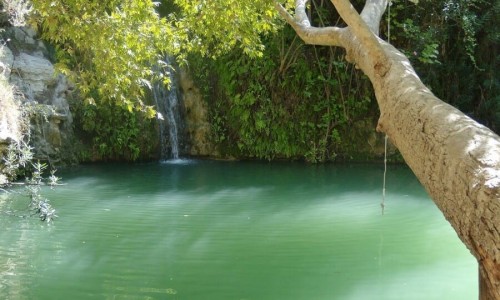
The water surface, when present, creates a peaceful centre in the landscape. It reflects the sky and softens the dry surroundings. Even when the reservoir is low, the shape of the basin and the surrounding hills create an interesting scene.
The atmosphere of the dam can feel especially peaceful in the early morning or late afternoon. At these times, the light is softer, the heat is less intense, and the countryside feels more alive. The soundscape may include birds, wind, insects, and the occasional movement from nearby rural activity.
For people used to the busier parts of Cyprus, Lefka Dam offers a different kind of experience. It encourages slower observation. Instead of rushing from one attraction to another, visitors can simply look at the landscape, notice the seasonal changes, and appreciate the relationship between water and land.
Wildlife and Ecology
Although Lefka Dam was created for human use, reservoirs often become important small habitats. Water attracts life, especially in a dry environment. Birds, insects, amphibians, reptiles, and small mammals may all benefit from the presence of a reservoir.
Birdlife is often one of the most noticeable natural features around dams. Depending on the season and water level, different birds may visit the area to feed, rest, or nest nearby. The quiet setting can make the area suitable for observation, particularly for those who enjoy nature photography or birdwatching.
The vegetation around the reservoir may also provide shelter and food for wildlife. Reeds, shrubs, grasses, and trees can support insects and smaller animals. These, in turn, attract birds and other predators.
However, the ecological value of the dam depends greatly on water levels. Long dry periods can reduce habitat quality and place stress on aquatic life. This is another example of how closely nature in Cyprus is tied to rainfall.
Lefka Dam and the Wider History of the Area
The area around Lefka has a rich and layered history. Lefka itself has been an important settlement with agricultural, cultural, and economic significance. The region is also close to areas historically associated with mining, particularly in the foothills of the Troodos Mountains.
This combination of agriculture and mining gives the wider landscape a distinctive identity. It is not only a rural area but also one shaped by industry, labour, and movement. Communities in and around Lefka developed around access to land, water, minerals, and routes connecting the mountains with lower areas.
In this broader context, Lefka Dam becomes part of a human landscape that has been used and reshaped over many generations. The dam reflects modern water management, but it stands in an area where people have long adapted to natural resources.
This makes the reservoir more interesting than it may first appear. A visitor looking only at the water may see a simple dam. But someone who understands the area can also see connections to agriculture, settlement, mining, and the wider history of Cyprus.
A Place Away from the Usual Tourist Routes
Many visitors to Cyprus focus on beaches, archaeological sites, monasteries, mountain villages, and major cities. These are important parts of the island’s identity, but they do not tell the whole story. Places like Lefka Dam reveal a quieter Cyprus.
This is the Cyprus of rural tracks, dry hills, irrigation systems, small reservoirs, cultivated valleys, and working landscapes. It is less polished but often more authentic. It shows how people live with the environment, rather than simply how the island is presented to tourists.
For travellers who enjoy exploring beyond the obvious destinations, Lefka Dam can be rewarding. It may not offer formal attractions, but it offers atmosphere and context. It is a place for people who appreciate landscapes with meaning.
It is also suitable for those interested in photography. The combination of water, hills, changing light, and seasonal vegetation can create attractive scenes, especially during winter and spring.
Visiting Lefka Dam
A visit to Lefka Dam should be approached as a countryside outing rather than a typical tourist stop. Facilities may be limited or absent, so visitors should be prepared. Comfortable shoes, drinking water, sun protection, and awareness of the terrain are important.
The best time to visit is usually during the cooler months, especially from late winter to spring, when the countryside is greener and temperatures are more comfortable. Summer visits can still be possible, but the heat may be strong, and the landscape may be dry.
Visitors should also take care around the edges of the reservoir. Banks can be uneven, muddy, slippery, or unstable depending on the season. Swimming is not recommended in reservoirs, and visitors should respect any restrictions or signs in the area.
Because the dam is part of a natural and rural environment, respect is essential. Rubbish should never be left behind, wildlife should not be disturbed, and vehicles should not damage tracks or vegetation.
The Symbolism of Lefka Dam
Lefka Dam can also be seen symbolically. It represents the effort to control and preserve one of Cyprus’s most precious resources: water. In an island where drought has shaped agriculture, settlement, and daily life, every reservoir has meaning.
The dam shows human planning, but it also shows dependence on nature. Its water level depends on rain, rivers, and seasonal patterns. It reminds people that development and survival must always be balanced with environmental reality.
This symbolism is especially strong in Cyprus, where water has always influenced where people settled, what they grew, and how communities developed. A reservoir is not just a technical structure; it is a sign of hope, preparation, and vulnerability.
Lefka Dam, though modest and quiet, carries this meaning clearly. It is part of the island’s ongoing story of adapting to limited natural resources.
Lefka Dam is a peaceful and meaningful reservoir in the wider Lefka region of Cyprus. Built mainly for irrigation, it reflects the island’s need to collect and manage water in a dry Mediterranean climate. Its importance is practical, but its value is also scenic, ecological, and cultural.
The dam supports the surrounding agricultural landscape, contributes to local nature, and offers a quiet place for those who enjoy rural exploration. Its changing appearance through the seasons makes it especially interesting, from the greenery of spring to the dry, golden tones of summer.
Although it may not be a famous tourist attraction, Lefka Dam is worth attention because it represents a more understated side of Cyprus. It tells a story of water, land, farming, drought, and resilience. It reminds us that the island’s beauty is not found only in its beaches and monuments, but also in its reservoirs, valleys, fields, and quiet rural corners.
Lefka Dam is therefore more than a simple body of stored water. It is part of the living landscape of Cyprus — a place where nature, history, and human need meet in a calm and memorable way.
Near Lefka Dam
Other places within a short drive, closest first.