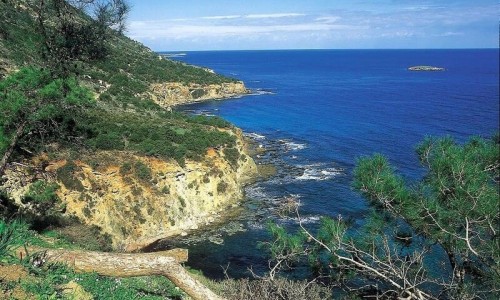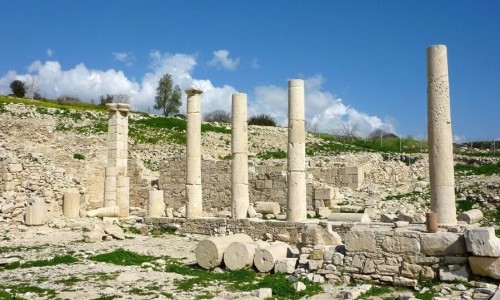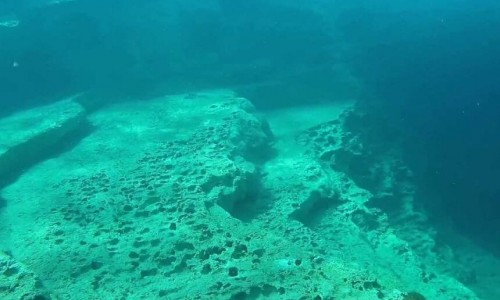

The Peyia Sea Caves are a stretch of wind- and wave-cut rock formations on the south-western coast of Cyprus, near the village of Peyia and a short drive north of Paphos. The coast here is soft limestone, which erodes easily, and thousands of years of waves have left tunnels, arches, blowholes and cliffside openings along the shore between Coral Bay and the Agios Georgios area.
What is actually there
The caves vary widely in size. Some are large enough to walk into or enter by kayak; others are simply striking shapes in the rock face. There is no single "cave" to find and no marked entrance — it is a length of coastline rather than a site, which is why people who arrive expecting a signposted attraction are sometimes confused. The interest is in the cliffs themselves and the way light and sea spray move through them.
Photography
This is one of the most photographed coastal locations in Cyprus, and the reason is the combination of turquoise water, honey-coloured cliffs and breaking waves. Sunset is the time most people come for: the low light picks out the texture of the stone and reflects off the water. Bring a wide lens for the cliff formations and expect the scene to change substantially with the sea state.
Swimming and kayaking
Parts of the coast are better for looking than swimming — sharp rocks and strong currents in places — but there are spots where you can get in, and the water is clear. Kayaks can be hired at nearby Coral Bay, and paddling the coastline gives a view of the cliffs from sea level and access to corners you cannot reach on foot.
Two cautions worth taking seriously: sea conditions change quickly here, and there are no lifeguards and no tourist infrastructure at the caves themselves.
Wildlife and protection
The area is an important natural habitat as well as a view. It supports a range of seabirds, and in recent years has become known as a breeding site for the endangered Mediterranean monk seal, one of the rarest marine mammals in the world. Local conservation groups continue to press for stronger protection as development and visitor numbers rise, so treat the site on leave-no-trace principles.
Getting there
The caves are roughly 20 to 30 minutes' drive north-west of Paphos, past Peyia and Coral Bay. There is no entrance fee and no official signage, so navigate by map or GPS. Parking is on dirt tracks along the cliffs and the area is largely undeveloped, which is much of its appeal. Wear proper shoes — the ground is uneven rock.
When to go
- Spring (March–May): warm, comfortable, wildflowers along the cliffs.
- Summer (June–August): hot and dry, best for swimming, busiest.
- Autumn (September–November): arguably the best combination — good weather, fewer people, strong sunsets.
- Winter (December–February): rough seas, but the waves against the rocks are the most dramatic they get.
Nearby
The EDRO III shipwreck sits on the rocks immediately alongside the caves and is usually seen on the same trip. Agios Georgios Pegeias is just up the coast, and the Akamas Peninsula and Lara Beach, where turtles nest, continue north from there. For the island's other caves — sea caves, cave churches and the ones that exist mostly as stories — see Cyprus caves, and for the rest of this coast, beaches in Paphos.
Near Sea Caves in Peyia, Paphos
Other places within a short drive, closest first.