

Panagia Odigitria Church is one of the notable religious landmarks of Kouklia, a historic village in the Paphos district of Cyprus. Kouklia is widely known for its exceptional archaeological importance and its association with ancient Palaipafos, one of the island’s most significant religious centres in antiquity. Within this setting of ancient ruins, traditional stone houses and long-established local customs, Panagia Odigitria Church represents the Christian and Orthodox heritage of the village. The church forms part of a wider cultural landscape in which different periods of Cypriot history can still be experienced within a relatively small area. Its peaceful character, traditional architecture and dedication to the Virgin Mary make it both a place of worship and an important part of the local identity of Kouklia.
The title “Odigitria” has a special meaning in Orthodox Christianity and is traditionally translated as “She Who Shows the Way” or “The Guide.” It refers to the Virgin Mary as the one who points believers towards Christ. The name originates from one of the most important iconographic traditions of the Byzantine world, in which the Virgin Mary is depicted holding the Christ Child and indicating Him with one hand. This image became one of the most recognised representations of the Mother of God in Orthodox Christianity. Churches dedicated to Panagia Odigitria therefore carry a strong spiritual association with guidance, protection and devotion to the Virgin Mary. The dedication of the church in Kouklia reflects the deep Marian tradition that has existed throughout Cyprus for centuries and can be seen in numerous churches, monasteries, chapels and religious celebrations across the island.
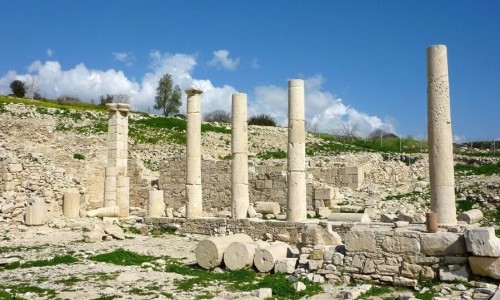
The religious history of Kouklia is particularly fascinating because the village occupies an area that was sacred long before the arrival of Christianity. Ancient Palaipafos was closely associated with the worship of Aphrodite, and the Sanctuary of Aphrodite became one of the most famous cult centres in the ancient Mediterranean. Pilgrims travelled to the area from different parts of the ancient world, and the sanctuary played an important religious and cultural role for many centuries. With the gradual spread of Christianity across Cyprus, the religious identity of the region changed significantly. Christian churches were established, new traditions emerged and the landscape was transformed, yet the area continued to retain its importance as a place of faith and community life. Panagia Odigitria Church can therefore be viewed as part of this long evolution from the ancient religious world of Palaipafos to the Orthodox Christian traditions that continue in Kouklia today.
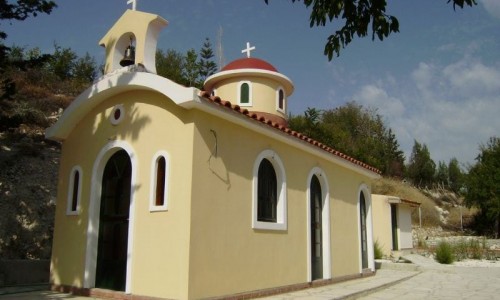
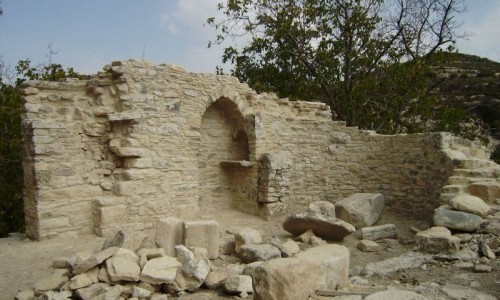
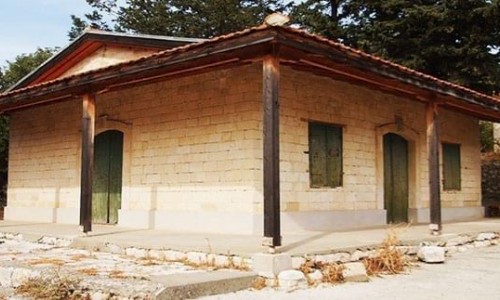
The church’s traditional appearance contributes greatly to its charm. Like many village churches in Cyprus, Panagia Odigitria is characterised by a relatively simple and balanced architectural style that fits naturally into its surroundings. The use of local stone and restrained exterior decoration gives the building a timeless quality, while its proportions create a sense of intimacy rather than grandeur. This simplicity is one of the qualities that makes many Cypriot village churches so appealing. They were designed primarily as places of worship for local communities, and their beauty often comes from their harmony with the landscape and nearby village architecture rather than from monumental scale. The church therefore feels closely connected to Kouklia itself and forms a natural part of the village environment.
Inside, the atmosphere is calm and devotional, reflecting the traditions of Orthodox worship. Icons are an essential feature of Orthodox churches, serving not merely as decoration but as an important part of religious life. Images of Christ, the Virgin Mary and different saints help create a spiritual environment that connects worshippers with the beliefs and traditions of the Church. The iconostasis, which separates the main part of the church from the sanctuary, is another characteristic feature of Orthodox architecture. Together with candles, religious images and other ecclesiastical details, these elements create a sense of reverence that is immediately noticeable when entering the church. Even visitors who are not attending a religious service can appreciate the peaceful character of the interior and the sense of continuity with generations of worshippers who have used the church over time.
Panagia Odigitria Church also reflects the central role that churches have traditionally played in Cypriot village life. For many generations, the village church was one of the most important gathering places within a community. It was connected with major religious celebrations as well as significant moments in family life, including baptisms, weddings, memorial services and funerals. Feast days dedicated to saints or to the Virgin Mary also brought communities together, often combining religious observance with local customs, food and social gatherings. In villages such as Kouklia, these traditions helped strengthen relationships between families and preserve a shared sense of identity. Although modern life has changed many aspects of village society, churches such as Panagia Odigitria continue to represent this important connection between faith, family and community.
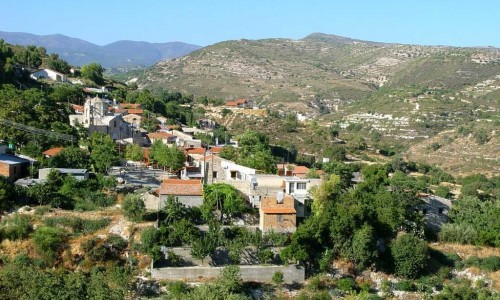
The wider village of Kouklia adds considerably to the experience of visiting the church. Kouklia retains a distinctive traditional character and offers visitors a combination of archaeological heritage and everyday Cypriot village life. Its streets are lined with stone-built houses and traditional architecture, while the village centre has a relaxed atmosphere with local tavernas and places where residents and visitors gather. Walking through Kouklia gives a sense of continuity between different historical periods, with reminders of antiquity existing alongside medieval remains, Orthodox churches and modern homes. This makes the village particularly interesting for those who want to understand Cyprus beyond its beaches and resorts.
A visit to Panagia Odigitria Church can easily form part of a broader exploration of Kouklia and the surrounding Paphos countryside. The archaeological remains of Palaipafos and the Sanctuary of Aphrodite are among the most important attractions nearby, providing insight into the village’s ancient significance. Visitors can also explore the traditional streets of Kouklia, enjoy Cypriot food in the village and learn more about the history of the area. The combination of archaeology, religion, village architecture and local life creates a rich experience that allows visitors to appreciate several different aspects of Cypriot heritage in a single destination.
The location of Kouklia also makes it particularly appealing. Situated within the Paphos district and within easy reach of the coast, the village offers an alternative to the more heavily visited tourist areas. The surrounding landscape, with open countryside and views characteristic of southwestern Cyprus, adds to the peaceful atmosphere. Travellers exploring the Paphos region can combine a visit to Kouklia with other nearby villages, archaeological sites, coastal viewpoints and places associated with the legend of Aphrodite. This makes Panagia Odigitria Church an interesting stop within a larger cultural route through the area.
Another important aspect of the church is the way it contributes to the preservation of local heritage. Smaller village churches sometimes receive less attention than major monasteries, cathedrals or famous UNESCO-listed monuments, but they are essential to understanding the cultural history of Cyprus. They preserve local traditions, religious practices, architecture and community memories that have developed over generations. In many cases, these churches remain active places of worship, meaning that they are not simply historical monuments but living parts of contemporary communities. Panagia Odigitria Church represents this continuity particularly well because it stands within a village where the past is so visibly present.
The dedication to the Virgin Mary also reflects the remarkable importance of Marian devotion in Cyprus. Numerous villages across the island contain churches dedicated to different titles of Panagia, each associated with particular traditions, icons or local histories. This devotion has been passed down through generations and remains deeply embedded in Orthodox religious culture. For many believers, churches dedicated to Panagia are places where prayers are offered for protection, health, family and guidance. The name Odigitria, with its meaning of spiritual guidance, gives the church in Kouklia an especially symbolic character and adds another layer of meaning to the visitor experience.
For photographers and travellers interested in traditional architecture, Panagia Odigitria Church also provides an attractive subject. Its stone exterior, religious details and village setting reflect the visual character of rural Cyprus. The surrounding streets and traditional buildings can create a particularly atmospheric setting, especially during the quieter parts of the day. Rather than being an isolated monument, the church feels integrated into the broader appearance of Kouklia, making it possible to photograph both the religious building and the traditional village environment around it.
Visitors entering the church should remember that it remains a place of worship and should therefore be treated with respect. Modest clothing is appropriate, particularly when religious services are taking place, and visitors should avoid disturbing worshippers. Photography inside churches may sometimes be restricted, so it is always advisable to observe any signs or instructions. Maintaining a quiet atmosphere also allows visitors to fully appreciate the sense of peace that characterises the interior. These simple acts of respect help preserve the spiritual character of the church while allowing travellers to experience it as part of their exploration of Kouklia.
Panagia Odigitria Church ultimately represents the remarkable continuity of faith and culture found throughout Cyprus. In Kouklia, this continuity is especially visible because the village has been connected with religious life for thousands of years. From the ancient Sanctuary of Aphrodite to the later development of Christianity and the Orthodox traditions that continue today, Kouklia provides an extraordinary example of how different historical periods have shaped the identity of one place. Panagia Odigitria Church stands as part of this long story, preserving the religious traditions of the local community while adding to the architectural and cultural richness of the village.
For anyone visiting the Paphos district, Panagia Odigitria Church is worth discovering as part of a journey through Kouklia. It may not have the monumental scale of some of Cyprus’s most famous religious sites, but its appeal lies precisely in its authenticity, peaceful atmosphere and connection with village life. Combined with Kouklia’s archaeological treasures, traditional streets and surrounding countryside, the church helps reveal the many different layers of Cyprus’s cultural heritage. It is a place where history, religion and everyday community life come together, offering visitors a deeper understanding of one of the island’s most historically important villages.
Near Panagia Odigitria Church - Kouklia
Other places within a short drive, closest first.