

Ergates is one of those villages in Cyprus that combines the peace of the countryside with the convenience of being close to the capital. Located in the Nicosia district, southwest of the city, Ergates has developed over the years into a lively and welcoming community while still keeping much of its traditional Cypriot character. It is not a mountain village in the dramatic sense, nor is it a coastal tourist destination. Instead, its beauty lies in its simplicity, its history, its everyday rhythm, and the strong connection its people have with the land.
The village is situated in an area that links the plain of Nicosia with the wider region of Tamassos, one of the most historically important areas of ancient Cyprus. This gives Ergates a special identity. It is close enough to Nicosia for people to work, study, and travel easily, but far enough to offer a quieter way of life. This balance has helped the village grow steadily, especially as many families look for places that offer space, community, and a more relaxed environment away from the busy centre of the capital.
The name Ergates is often connected with the Greek word for “workers” or “labourers”. This meaning suits the character of the village very well. Ergates has always been associated with hardworking people, agriculture, and practical village life. In the wider historical imagination, the name is also linked to the ancient mines of Tamassos, where labourers may once have worked in connection with copper production. Whether one looks at the name through history or through everyday life, Ergates carries a sense of effort, productivity, and honest work.
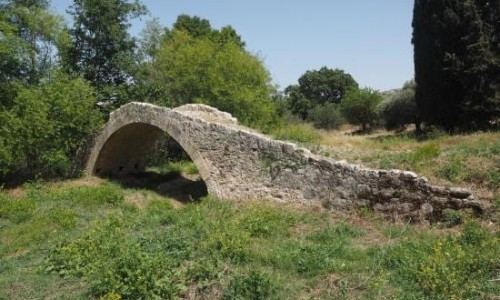
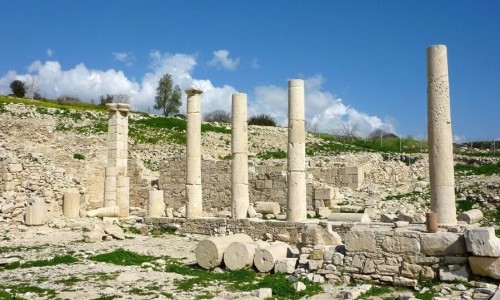
Historically, the area around Ergates was influenced by the ancient kingdom of Tamassos. Tamassos was famous in antiquity for its copper mines, and the surrounding settlements were closely connected to the economic life of the region. This gives Ergates a deeper historical background than may first appear. Although today it looks like a modern rural community, the land around it belongs to an area that has been inhabited, cultivated, and worked for centuries. The village is part of a landscape where ancient history and modern life quietly meet.
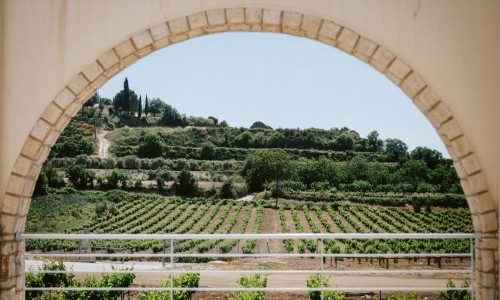
The natural environment of Ergates is typical of the Nicosia countryside. The area has open fields, gentle hills, dry-stone textures, olive trees, carob trees, and cultivated land that changes with the seasons. In spring, the countryside becomes greener and more colourful, with wildflowers appearing along the fields and roadsides. In summer, the landscape becomes golden and dry, reflecting the strong Cypriot sun. Autumn brings softer light and a calmer atmosphere, while winter gives the surrounding area a fresh and peaceful feeling after the rains.
Agriculture has played an important role in the life of Ergates. Like many villages in Cyprus, the community was traditionally connected with farming, livestock, and seasonal work. Fields, orchards, and gardens formed part of daily life, and families depended on the land not only for income but also for food, tradition, and identity. Even though modern occupations have changed and many residents now work in Nicosia or nearby areas, the agricultural character of the village has not disappeared completely. It remains part of the memory and personality of Ergates.
One of the most attractive things about Ergates is its location. Being close to Nicosia makes it a practical place to live, especially for people who want a village environment without feeling isolated. Residents can enjoy the calm of a smaller community while still having access to the services, schools, shops, hospitals, and workplaces of the capital. This has helped Ergates become a popular choice for families and people who prefer a more spacious lifestyle.
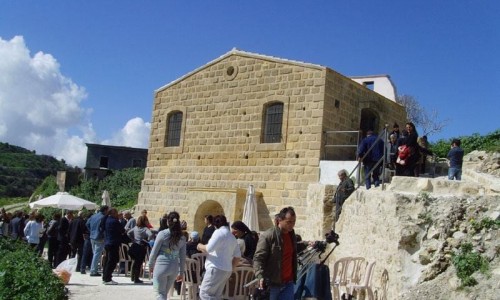
The village has grown over time, but it has not lost its sense of community. In Ergates, there is still the feeling that people know one another. Local celebrations, church events, school activities, and family gatherings continue to play an important role in bringing residents together. The village square, the church, local coffee shops, and community spaces are important parts of social life. These places are not just physical spaces; they are where conversations happen, news is shared, and relationships are maintained.
The church is usually one of the central points of Cypriot village life, and Ergates is no exception. Religious traditions remain important, especially during feast days, Easter, Christmas, weddings, baptisms, and memorial services. These occasions bring families and neighbours together and help preserve customs that have been passed down through generations. In villages like Ergates, faith is not only a private matter but also a cultural and social bond.
Education has also contributed to the development of the village. The presence of schools and facilities for children has made Ergates more attractive for young families. In the past, children from villages often had to travel to nearby communities or monasteries to receive education, but modern Ergates has become a more organised and family-friendly community. This shows how the village has moved from a traditional agricultural settlement into a modern residential village while still holding on to its roots.
Another important aspect of Ergates is its connection with the surrounding villages. Nearby communities such as Psimolofou, Episkopio, Anageia, Politiko, and Pera Orinis create a wider rural network. Each village has its own identity, but together they form part of the historical and cultural region around Tamassos. This makes Ergates a good starting point for exploring the countryside of Nicosia, especially for people who enjoy peaceful drives, traditional architecture, small churches, and rural landscapes.
Although Ergates is not one of the most famous tourist villages in Cyprus, this is part of its charm. It does not depend on large-scale tourism, souvenir shops, or busy attractions. Instead, it offers authenticity. Visitors who pass through Ergates can see a more realistic side of Cyprus: the Cyprus of working families, local fields, village roads, simple houses, quiet afternoons, and strong community ties. It is a place that shows how modern Cypriot village life continues beyond the postcard image.
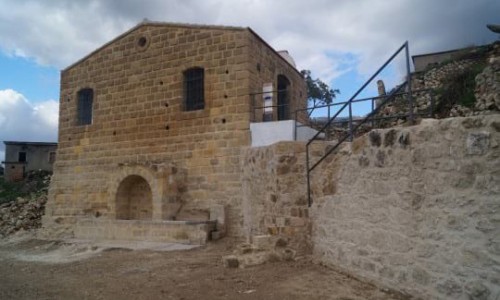
The architecture of Ergates is a mixture of old and new. Traditional houses can still be found, often with stone details, inner courtyards, tiled roofs, and simple village features. Alongside them are newer homes built by families who have moved to the area or by younger generations choosing to remain in the village. This blend gives Ergates a sense of continuity. It is not frozen in the past, but it has not completely abandoned it either.
The daily rhythm of the village is calm but not empty. In the mornings, people leave for work, children go to school, and older residents begin their day with familiar routines. During the afternoon, especially in summer, the village becomes quieter as people rest indoors away from the heat. In the evenings, life returns to the streets, gardens, and verandas. This rhythm is deeply Cypriot and gives Ergates a warm, lived-in feeling.
Food and hospitality are also part of the identity of Ergates, as they are in most Cypriot villages. Family meals, traditional dishes, homemade sweets, coffee gatherings, and seasonal foods remain important. Village life in Cyprus is closely connected with sharing food, whether it is during a celebration, a religious feast, or an ordinary family Sunday. Ergates keeps this tradition alive through its people and their everyday customs.
The surrounding countryside also offers a sense of escape. For those who enjoy walking, photography, or simply driving through quiet rural areas, Ergates and its neighbouring villages provide a peaceful alternative to the city. The landscape may seem simple at first, but it has a quiet beauty: fields stretching under the sun, narrow roads leading to neighbouring communities, small chapels, and views of the inland Cypriot countryside.
Ergates is also a village that reflects the changing face of Cyprus. In the past, many villages lost population as people moved to towns for work. Ergates, however, benefited from its position close to Nicosia. Instead of being abandoned, it developed. New homes were built, families settled there, and the community expanded. This makes Ergates an example of a village that has adapted to modern life without losing its local identity.
For someone looking at Ergates today, the village represents balance. It is traditional but not old-fashioned. It is close to the city but still rural. It has history, but it is also practical and modern. It is peaceful, but it is not isolated. This balance is what makes Ergates special. It may not be the loudest or most famous village in Cyprus, but it has a steady, genuine character.
In many ways, Ergates tells the story of Cyprus itself: a place shaped by history, work, family, land, faith, and adaptation. Its name reminds us of labour and effort, its location connects it with ancient Tamassos, and its modern growth shows the continuing importance of village life in a changing country. Ergates is a community with roots, movement, and quiet strength.
For visitors, Ergates offers a chance to experience a less commercial side of Cyprus. For residents, it offers a comfortable and connected way of life. For those interested in Cypriot villages, it is a place worth noticing because it shows how a village can remain meaningful, active, and full of character even without being a famous tourist destination.
Ergates may be modest, but it is rich in atmosphere. It is a village of workers, families, memories, fields, roads, and traditions. It stands close to the capital but keeps its own rhythm. It belongs to the historic heart of inland Cyprus and continues to grow with confidence. In its quiet way, Ergates is a beautiful example of everyday Cypriot life.
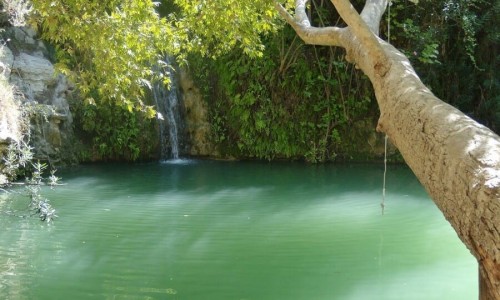
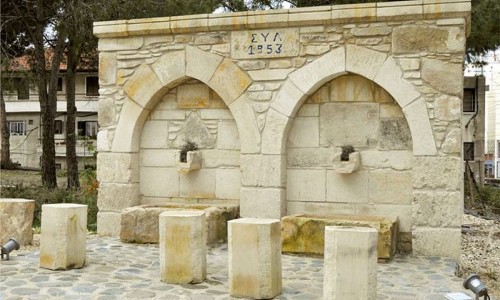
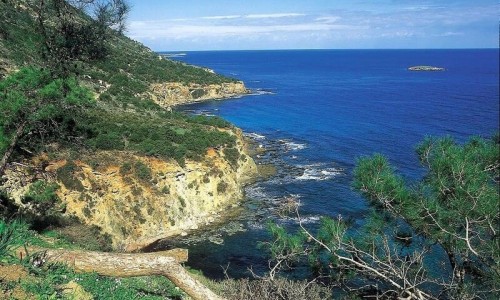
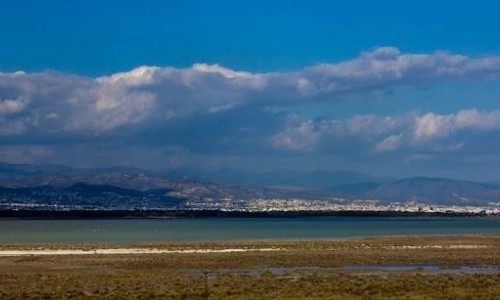
Near Ergates Village, Cyprus
Other places within a short drive, closest first.