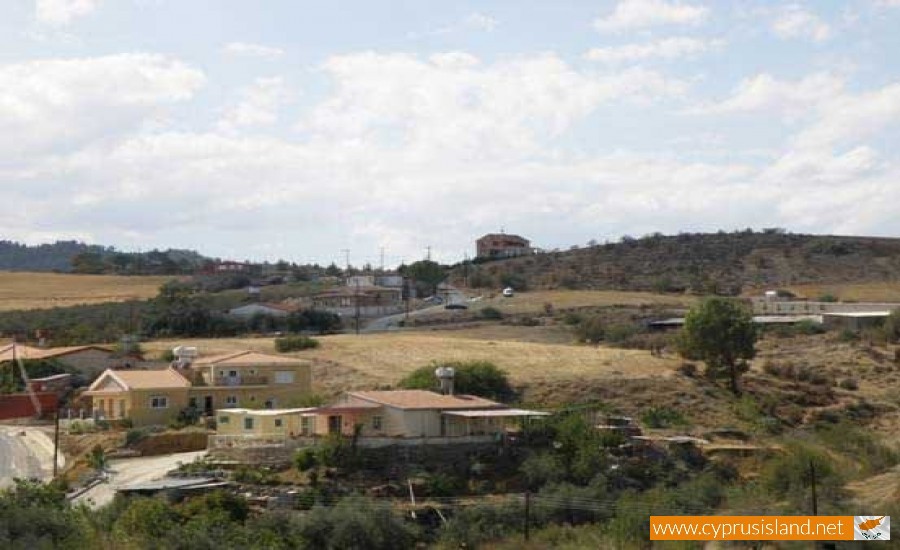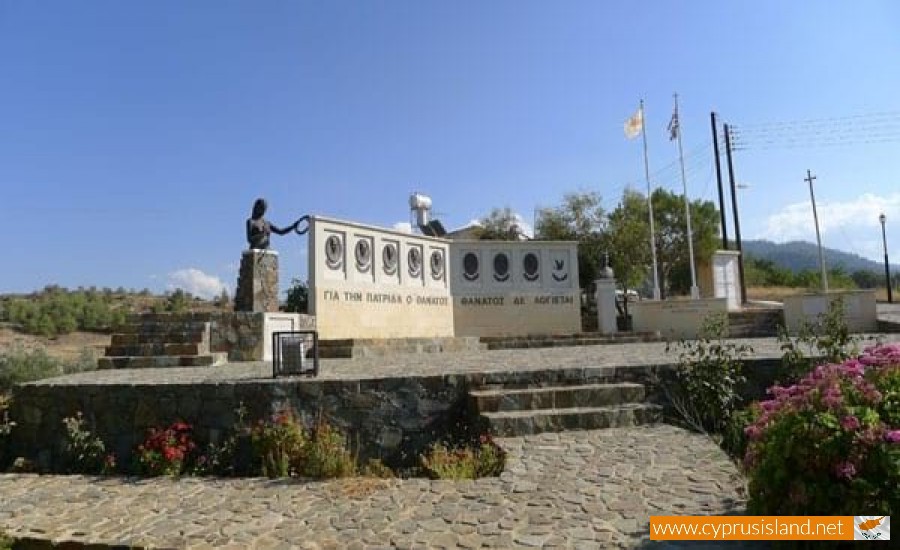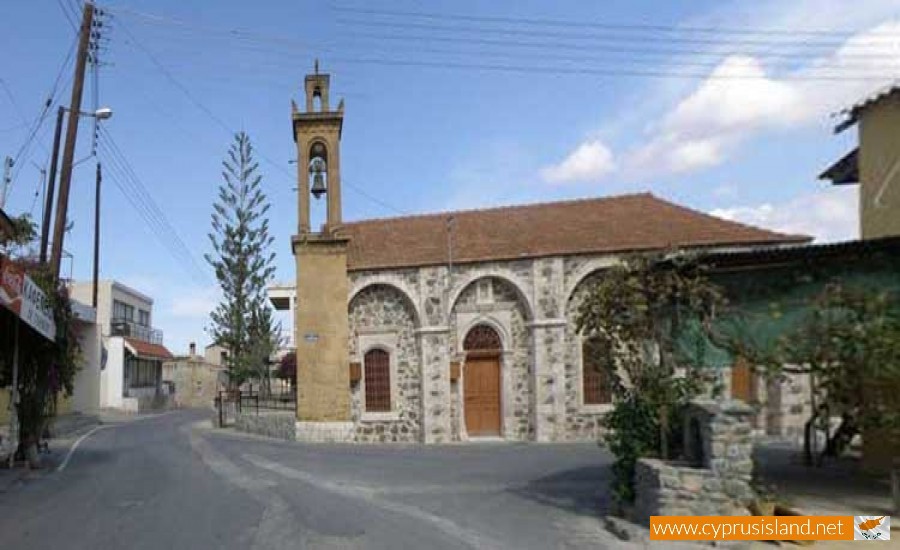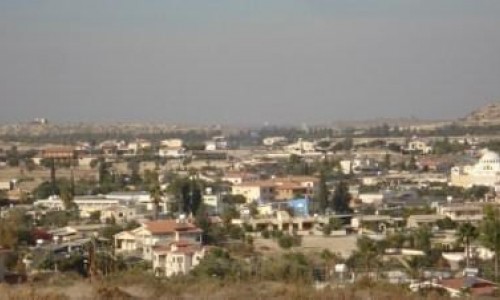

Nikitari Village
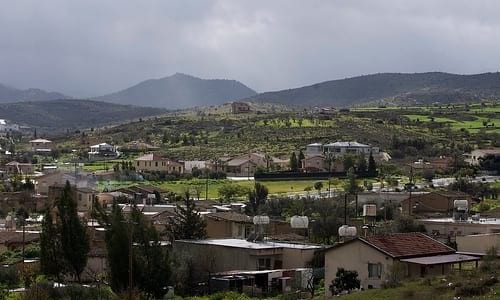
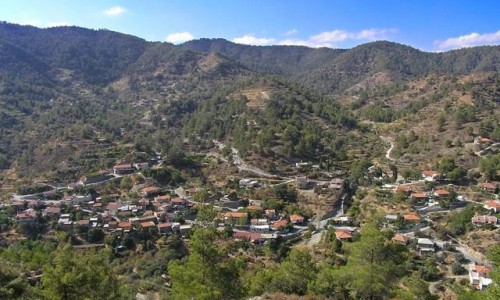
Nikitari is one of those Cypriot villages that doesn’t shout for attention—but the longer you stay with it, the more it starts to “speak.” It’s a place of small distances and long memories, where the countryside is not just scenery but a working companion, and where the quiet has texture: footsteps on stone, a gate opening, a conversation carried across a yard. If you arrive expecting a checklist of attractions, you might miss its charm. If you arrive ready to slow down, Nikitari offers something rarer: a feeling of steadiness.
A village made by time, not design
What makes villages like Nikitari special is that they weren’t designed in one era with one purpose. They grew gradually, shaped by family needs, land boundaries, water access, and the logic of daily survival. That’s why the streets often curve rather than run straight, why one lane suddenly becomes a staircase, and why homes seem to lean into one another as if they have spent generations sharing shade and shelter.
Over time, each small adjustment became permanent: a wall extended, a courtyard enclosed, a storage room added, a veranda built where afternoon breezes arrive first. The result is a village that feels “assembled” rather than constructed—almost like it emerged naturally from the ground.
And this is the real beauty: you can sense human life layered on top of itself. A newer balcony above an older stone base. A modern window frame set into a wall that may have started its life decades earlier. A house with fresh paint next door to one that still carries the soft weathering of sun and rain, like wrinkles on a familiar face.
The architecture of practical comfort
Traditional village architecture in Cyprus has always been clever, not luxurious. Comfort came from understanding the environment—how to build for heat, light, wind, and privacy. Thick walls help keep interiors cooler. Courtyards create safe private outdoor rooms. Small openings manage sunlight and reduce heat. Covered spaces allow life to continue outside even when the sun is strong.
In Nikitari, you can imagine the older pattern of the home: a courtyard where family life expands, a shaded corner for coffee, a working area for storing and preparing food, and spaces arranged less for decoration and more for everyday use.
Even today, when air-conditioning and modern appliances change how people live, those older design instincts still matter. They influence how residents use space—where they sit, where they place plants, when they open windows, and how they claim shade as a precious resource.
The village social map
In cities, we move through crowds anonymously. In villages, you move through recognition. Even if not everyone knows you personally, the village still “reads” people: who belongs to which family, who has returned for the weekend, who is visiting relatives, who is new.
That doesn’t mean it’s unfriendly. In fact, it often means the opposite—villages can be extraordinarily warm once you’re placed within the social map. There’s a particular kind of Cypriot village conversation that begins with simple questions but is actually a gentle way of building trust:
- “From where are you?”
- “Whose child are you?”
- “Which village is your family from?”
- “Do you know so-and-so?”
These questions aren’t interrogation. They’re a cultural habit of connection—like finding the thread that ties strangers into a shared world. Sometimes that thread is surprisingly short. Cyprus is small, and the island’s social geography is full of overlaps.
Work, land, and the older Cypriot rhythm
Even when fewer residents now depend directly on farming, the village still carries the imprint of agricultural time. The land around it shaped the pace of life for generations: planting, tending, harvesting, storing, repairing. That older rhythm continues in how people talk about the weather, how they plan around seasons, and how they treat food as something with a story.
In spring, you sense more activity—gardens tended, yards cleared, outdoor spaces reopened. In summer, the village becomes more strategic: early mornings matter, afternoons slow down, evenings become social again. Autumn often brings the mood of gathering—preparing, preserving, returning. Winter can make the village feel smaller and closer, as if community pulls inward.
And then there are the small tasks that feel almost ceremonial: pruning, sweeping, watering, cleaning a yard, turning soil. In a village setting, these aren’t just chores. They’re ways of “keeping the place alive.”
The hidden importance of water
Water is one of those things that defines village history even when people don’t talk about it directly. Where could people draw water? How was it stored? Which fields depended on which sources? Even the way paths were formed can reflect older water logic—access routes, communal points, and the practical need to be near what keeps life running.
In villages across Cyprus, water shaped social habits too. Communal water points historically became places of casual social exchange: not formal meetings, but daily contact that kept the community knitted together. Even if modern plumbing has changed everything, the village still carries the memory of that logic: shared resources, shared routines, shared responsibility.
Faith and tradition as community glue
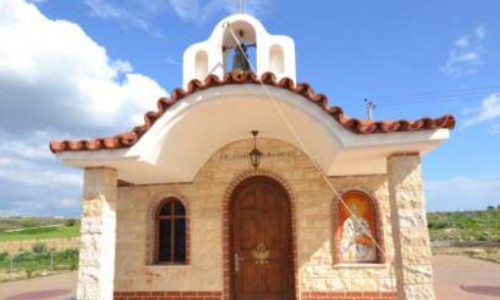
Religious tradition in villages is often less about personal ideology and more about shared structure. The church becomes a keeper of communal moments: births, marriages, departures, memorials. These are the milestones that turn separate family stories into a collective story.
Feast days and local celebrations are particularly important. They give the village a reason to gather at full strength. People return from elsewhere, relatives appear, doors open, food gets prepared in larger quantities, and the atmosphere shifts. Even those who have moved away can feel reconnected during these events, because they are built on shared memory.
In villages, tradition isn’t only preserved through “official” ceremony—it’s preserved through repetition. The way coffee is offered. The way guests are seated. The way older people are greeted. The way food is presented. These small repeated gestures are a living culture, not something stored in a museum.
Food as memory, not trend
Village food is not designed to be fashionable. It’s designed to be satisfying, familiar, and meaningful. Many recipes exist because they are practical: they preserve ingredients, use what’s available, and feed people well. But over time, practicality becomes tradition—and tradition becomes identity.
In a village context, food is also a language of care. Offering something small is often a way of saying, “You are welcome here.” It might be coffee, fruit, a sweet, or something homemade. And it’s rarely offered once—Cypriot hospitality often involves gentle insistence, the kind that feels like an embrace rather than a push.
Food in villages is tied to seasons too. You can still sense what time of year it is by what people talk about: what’s ripening, what’s being picked, what’s being prepared, what’s “good now.”
The story of migration and return
Like many villages, Nikitari likely carries a quiet story of migration. Younger generations often left for the cities or abroad, searching for work and opportunity. That shift changed village life: schools with fewer children, more houses closed during weekdays, older residents becoming the main “daily population.”
But village life rarely ends—it transforms. Many people return on weekends, during holidays, and for key family events. Some restore old homes. Others keep them as anchors of identity. And in many families, the village house becomes a symbol: not just a property, but a connection point, a memory container.
This dynamic—leaving and returning—creates a unique emotional atmosphere. You feel both absence and belonging at the same time. You sense that the village holds stories that extend beyond those currently present.
What the village teaches you, if you let it
A place like Nikitari quietly teaches lessons that modern life often forgets:
- Time doesn’t have to be rushed to be valuable.
- Small communities have depth that crowds don’t.
- A place can be “simple” and still be rich.
- Continuity is a form of strength.
Villages teach you to notice again. Not only buildings and landscapes—but habits, gestures, pace, and presence.
How to experience Nikitari in the best way
If you want Nikitari to open up to you, approach it like this:
- Arrive without rushing. Don’t treat it like a quick stop.
- Walk slowly and let the streets guide you. The village reveals itself in turns.
- Sit somewhere quietly. The village will “show” itself through daily life.
- Talk if the opportunity appears. A small conversation can unlock a lot of local character.
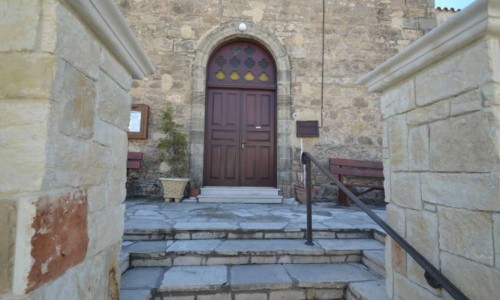
- Look for details. Doors, stonework, plants, old tools, courtyards—these tell stories.
Sometimes the best moments in villages are the ones you can’t plan: a greeting from someone passing, a sudden smell of food, the way sunset changes the color of walls, or the calm satisfaction of doing nothing at all for a while.
Why Nikitari matters in modern Cyprus
Nikitari matters because it carries a version of Cyprus that is increasingly fragile—not because it is weak, but because modern life is loud and fast, and it’s easy for smaller places to be forgotten.
Villages hold cultural memory in a living form. They keep language patterns, social traditions, and a relationship with land that cities can’t fully replace. They remind Cypriots that identity isn’t only something we declare—it’s something we practice daily through routines, respect, and shared life.
And for visitors—especially those who live in a world of constant notifications and speed—villages offer something deeply restorative: a chance to return to human-scale living.
A quiet place with a strong presence
Nikitari may not be the kind of village that appears in every tourist plan. But it doesn’t need to. Its strength is subtle. It is the kind of place that doesn’t perform for you; it simply exists—steady, patient, and real.
And that is exactly why it stays with you.