
Trimiklini is one of the most charming and well-known mountain villages of Cyprus, situated in the Limassol district, along the route that leads toward the Troodos mountains. It is a village that many people pass through on their journeys inland, yet it is also a destination with its own unique beauty, character, and identity. Surrounded by nature and blessed with a fresh mountain climate, Trimiklini offers visitors and residents a peaceful environment that reflects the traditional heart of Cyprus.
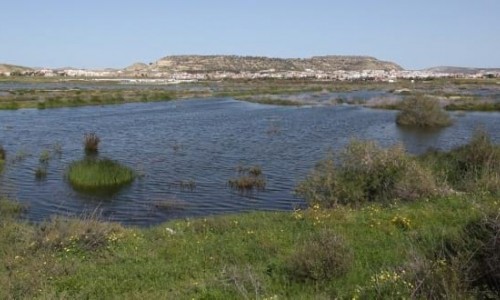
At first glance, Trimiklini impresses with its scenic setting. Built among hills and greenery, the village enjoys beautiful views of the surrounding countryside. The landscape around it is one of its greatest treasures. The area is full of trees, cultivated land, orchards, and mountain slopes that give the village a rich and refreshing atmosphere. The natural beauty of Trimiklini changes with the seasons, and each time of year gives the village a different but equally attractive personality. In spring, the village feels full of life, with blossoming trees, wild plants, and soft green colours covering the hills. In summer, the cool mountain air offers relief from the intense heat of the coast, making Trimiklini an appealing place for relaxation. In autumn, the village becomes warm and colourful, with shades of gold, orange, and brown adding a special beauty to the scenery. In winter, the atmosphere becomes calm and often misty, creating a peaceful mountain setting that feels almost timeless.
The position of Trimiklini has played an important role in shaping its identity. Because it lies on a significant road leading to the mountain region, the village has long been familiar to travellers. It is often seen as a gateway to the Troodos area, and this has made it more lively and connected than some more isolated mountain communities. Yet despite this accessibility, Trimiklini has managed to retain the authentic spirit of a traditional Cypriot village. This combination of accessibility and tradition is part of what makes it so attractive. It is a place where modern movement and old village life exist side by side.
Like many villages in Cyprus, Trimiklini has deep roots in agriculture. For generations, the land has shaped the lives of its people. The climate and fertile soil of the region made the cultivation of fruit trees and other crops an essential part of village life. This agricultural tradition gave not only income and food to the local population, but also identity and rhythm to the village itself. The relationship between people and land was close and practical, built on hard work, seasonal routines, and a deep understanding of nature. Even today, this bond with the land remains an important part of the character of Trimiklini. The orchards, cultivated fields, and natural surroundings all remind visitors of a time when village life depended directly on the earth and its fruits.
Walking through Trimiklini, one can feel a sense of continuity between past and present. The village is not simply an old place preserved for appearance; it is a living community that has adapted over time while keeping much of its traditional essence. Older stone houses, narrow roads, village corners, and traditional features still exist and help preserve the local identity. At the same time, newer homes, businesses, and signs of development show that Trimiklini continues to evolve. This blend gives the village a special atmosphere. It does not feel abandoned by modern life, but neither has it lost its soul. Instead, it presents a natural balance between history and present-day living.
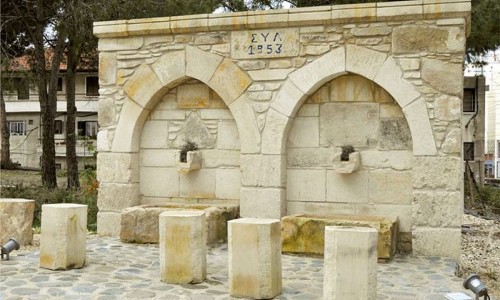
The architecture of the village is another important part of its charm. Traditional Cypriot village houses, often built with local stone and wood, reflect the practical and beautiful style of older mountain life. These homes were made to suit both the environment and the needs of daily life. Thick walls helped protect against heat in summer and cold in winter. Courtyards and balconies offered space for family life, conversation, and simple daily routines. The architectural style of the village is modest but full of character, and it contributes greatly to the atmosphere of Trimiklini. Churches, older public buildings, and traditional structures all add to the feeling that this is a place where history is still present in everyday surroundings.
Religion and the church have always been important elements in the life of Cypriot villages, and Trimiklini is no different. The church has traditionally been more than just a religious building; it has also been a centre of community life. Religious celebrations, feast days, and local customs have long brought people together and strengthened the bonds between families and neighbours. These events often combine faith, culture, and social life, creating traditions that are passed down from one generation to the next. In villages like Trimiklini, such customs help preserve a sense of belonging and identity. They are part of the fabric of village life and continue to give meaning to the passing of the seasons and the stages of human life.
One of the most beautiful qualities of Trimiklini is its atmosphere of hospitality. Like many mountain villages of Cyprus, it carries a warm and welcoming spirit. Visitors often feel that they are entering a place where human connection still matters, where life is not too rushed, and where kindness remains part of daily interaction. This sense of hospitality may be seen in the local shops, the cafés, the taverns, and the way people speak to one another. Cypriot village life has long been associated with friendliness and generosity, and Trimiklini reflects this tradition well. Even a brief visit can leave a strong impression because the village offers not only scenery, but also warmth and character.
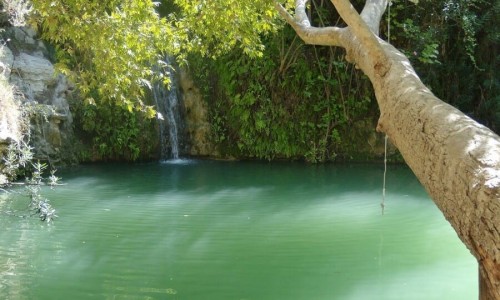
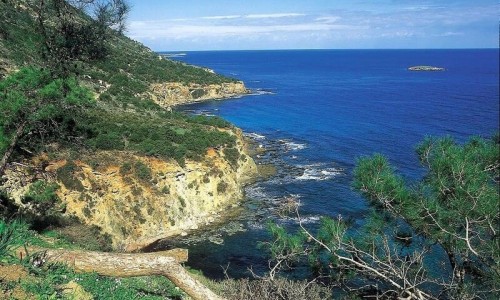
Nature lovers are especially drawn to places like Trimiklini because of the peaceful environment and the closeness to the natural landscape. The surrounding area is ideal for scenic drives, quiet walks, and moments of reflection. The mountains and hills invite people to slow down and notice details that are often missed in the city: the movement of leaves in the wind, the scent of earth and pine, the sound of birds, and the way sunlight changes across the slopes throughout the day. In Trimiklini, one can experience a different side of Cyprus, one that is calmer, greener, and more rooted in the land. It is a reminder that the island is not only about beaches and coastal life, but also about villages, mountains, forests, and inland beauty.
The village also has a special place in the minds of many Cypriots because of its familiarity. For those who travel toward Troodos, Trimiklini is often part of the journey. It becomes associated with mountain excursions, cooler weather, family drives, and seasonal outings. For some, it brings memories of childhood trips, weekend escapes, or stops along the road for food and rest. This familiarity gives Trimiklini a place not only on the map, but also in personal memory. It is one of those villages that people may know through repeated passing, yet each time it still has something inviting and comforting about it.
Food is another important part of the village experience. In mountain villages, food often reflects the traditions, ingredients, and hospitality of the region. Meals are usually connected to the seasons, to local produce, and to homemade methods of preparation. In a place like Trimiklini, the experience of eating is not only about taste, but also about atmosphere. A meal enjoyed in a mountain setting, surrounded by fresh air and traditional surroundings, feels richer and more memorable. Village food often carries with it the memory of family kitchens, old recipes, and simple ingredients prepared with care. This is part of the emotional appeal of mountain Cyprus and one of the reasons why villages remain so beloved.
Beyond its physical beauty, Trimiklini also represents a certain way of life. It reflects values that are often associated with village communities: family, continuity, hard work, respect for tradition, and closeness to nature. These values have shaped the identity of many Cypriot villages over the generations. Although modern life has changed the habits and routines of village communities, these deeper values often remain visible. In Trimiklini, one can still sense the importance of community and of living in a way that is connected to both people and place.
For older generations, villages like Trimiklini may awaken nostalgia. They remind people of a Cyprus that was quieter, more local, and more closely tied to the land. They bring back memories of simpler days, of village gatherings, family ties, church feasts, and life lived at a slower pace. For younger generations, the village offers something slightly different: an escape from pressure, noise, and routine. It offers a chance to reconnect with a more natural and grounded environment. In this way, Trimiklini speaks to different people in different ways, yet remains meaningful to all.
The cultural importance of villages such as Trimiklini should not be underestimated. Rural communities are essential to the heritage and identity of Cyprus. They preserve traditions, architecture, customs, and ways of living that are part of the island’s collective memory. While cities represent development, commerce, and movement, villages preserve roots. They remind people where they come from and what elements of life are worth protecting. Trimiklini is part of this larger cultural picture. It is not only a village of the present, but also a bearer of memory, tradition, and continuity.
Another aspect that makes Trimiklini special is its emotional atmosphere. Some places are beautiful because of their monuments or famous landmarks, but others are memorable because of how they make people feel. Trimiklini belongs to the second category. It may not need grand attractions to leave an impression. Its quiet roads, mountain air, traditional appearance, and welcoming mood are enough to create a lasting connection. It is the kind of place that encourages calm thought and appreciation of simple beauty.
For anyone interested in discovering the inland character of Cyprus, Trimiklini offers an excellent example of what makes mountain villages so valuable. It combines landscape, tradition, culture, and everyday life in a way that feels natural and genuine. It is a village that invites people not only to see, but also to feel: to feel the peace of the mountains, the continuity of village life, and the warmth of Cypriot hospitality.
In the end, Trimiklini is far more than just a stop on the way to somewhere else. It is a place with its own story, atmosphere, and importance. Its natural beauty, agricultural heritage, traditional architecture, welcoming spirit, and mountain identity all come together to create a village that is both attractive and meaningful. Whether visited for a short while or remembered over many years, Trimiklini leaves the impression of a place where Cyprus reveals one of its most authentic and peaceful faces.
Near Trimiklini Village, Limassol
Other places within a short drive, closest first.