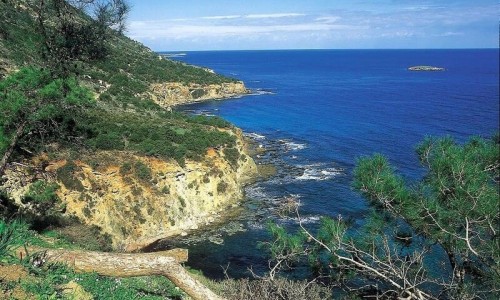


The Agioi Anargyroi Sea Caves are among the most impressive natural attractions on the southeastern coast of Cyprus. Located in the Cape Greco area, between Protaras and Ayia Napa, the caves are surrounded by rugged limestone cliffs, crystal-clear turquoise waters and beautiful views across the Mediterranean Sea. This dramatic coastal setting allows visitors to experience a quieter and more natural side of Cyprus, away from the busier beaches and tourist centres. The combination of striking rock formations, peaceful surroundings and brilliant blue water makes the area especially popular with walkers, photographers, nature lovers and travellers exploring the wider Protaras region. Although the caves are easy to admire from the surrounding coastline, their beauty comes from the entire landscape, including the cliffs, the open horizon, the nearby chapel and the changing colours of the sea throughout the day.
The caves were formed gradually through the constant action of waves against the limestone coastline. Over many years, seawater slowly eroded the weaker sections of the rock, creating openings, chambers, arches and unusual shapes along the cliffs. Some of the caves appear as narrow gaps in the stone, while others form larger sheltered spaces close to the water. Their appearance changes depending on the position of the sun, the movement of the waves and the weather conditions. When sunlight enters the caves and reflects against the surface of the sea, beautiful shades of blue, turquoise, silver and gold can appear. The pale limestone cliffs create a striking contrast with the deeper colours of the Mediterranean, making the area one of the most photogenic coastal locations in southeastern Cyprus.
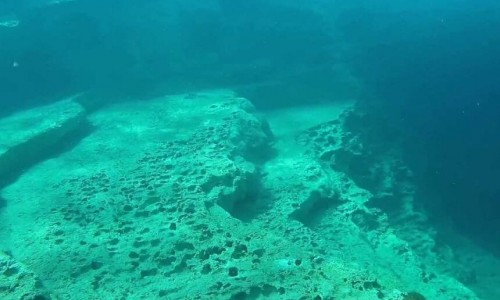
One of the most remarkable features of the Agioi Anargyroi Sea Caves is the clarity of the surrounding water. On calm days, visitors can often see the rocky seabed beneath the surface, along with the shapes of underwater ledges and formations. The transparency of the sea adds to the sense of depth and natural beauty, especially when viewed from the cliffs above. The water may appear light turquoise close to the rocks and become darker blue further from the shore. This gradual change of colour creates a beautiful visual effect and makes the coastline particularly attractive during clear, sunny weather.
The caves are located beneath the well-known Agioi Anargyroi Chapel, a small white-and-blue church standing close to the edge of the cliffs. The chapel is one of the most recognisable landmarks in the Cape Greco area and adds a strong cultural and spiritual character to the landscape. It is dedicated to Saints Cosmas and Damian, who are known in the Orthodox Christian tradition as the Holy Unmercenaries because they offered healing and care without accepting payment. The chapel’s simple architecture blends naturally with the coastal surroundings, while its white walls and blue details stand out beautifully against the rocky landscape and the sea. For many visitors, the combination of the chapel above and the caves below gives the location a special atmosphere that connects religion, local tradition and natural beauty.
Visitors often begin their experience near the chapel, where they can enjoy wide panoramic views of the coastline and the Mediterranean horizon. From this elevated position, the cliffs stretch along the shore and the sea seems to continue endlessly into the distance. A staircase close to the chapel descends towards the shoreline and the caves below. As visitors walk down, the sound of the waves becomes stronger and the landscape feels more enclosed and dramatic. The lower area provides a closer view of the rock formations and cave openings, although care is required because the steps and rocks may become slippery when wet from rain or sea spray. Comfortable footwear is recommended, and visitors should remain cautious near the cliff edges and exposed parts of the shoreline.
The surrounding area is ideal for walking and exploring, as coastal paths pass through a landscape of pale limestone, low shrubs, wild herbs and Mediterranean vegetation. The plants found here have adapted to strong sunlight, dry conditions, salty air and rocky ground. During spring, the area becomes particularly colourful as wildflowers appear among the rocks, creating a beautiful contrast with the blue sea. This is one of the most comfortable seasons for walking, as the temperatures are usually mild and the landscape is at its greenest. Summer offers brighter light and even more vivid sea colours, although the heat can become intense during the middle of the day. Visitors often prefer to explore early in the morning or later in the afternoon, when the temperatures are cooler and the sunlight is softer.
Autumn is also an attractive time to visit the Agioi Anargyroi Sea Caves. The weather often remains warm, but the area becomes quieter after the busiest summer period. The coastal paths are more comfortable for walking, and the sea may still be pleasant for those who wish to swim. Winter creates a very different atmosphere, with stronger winds, darker skies and more powerful waves. During rough weather, the coastline can appear especially dramatic, but visitors should remain well away from the edges and avoid approaching the shoreline when the sea is unsettled. The changing seasons allow the caves to offer a different experience throughout the year, from calm turquoise waters in summer to powerful waves and a wilder landscape in winter.
The Agioi Anargyroi Sea Caves are especially popular with photographers because the area offers many attractive views and natural compositions. From the higher viewpoints, the caves appear as dark openings in the pale rock, while the chapel, cliffs and sea create a beautiful background. From lower positions, the rocks frame the water and produce more dramatic images. Sunrise is particularly impressive in this part of Cyprus, as the first light spreads across the sea and gives the limestone warm shades of cream, gold and orange. The peaceful atmosphere of the early morning also allows visitors to enjoy the natural sounds of the coast before the area becomes busier.
Boat trips travelling around Cape Greco often pass close to the caves, offering visitors a completely different perspective. From the sea, it is easier to appreciate the size of the cliffs and the depth of the openings carved into the coastline. Some formations that are difficult to see from land become much clearer from the water. The caves appear larger and more dramatic when viewed from below, and the contrast between the dark entrances and the bright surface of the sea becomes even more noticeable. Boat excursions are therefore a popular way to explore the coastline while enjoying views of several caves, rock arches and hidden coves in the wider area.
The waters around the caves attract swimmers, snorkellers and divers because of their clarity and rocky underwater landscape. Beneath the surface, the seabed contains ledges, crevices and natural formations that may be interesting to explore. However, anyone entering the water should remain cautious, as sea conditions can change quickly and underwater rocks may not always be visible from above. Waves and currents may also make swimming close to the cliffs dangerous. Cliff jumping is sometimes associated with coastal cave areas, but it carries serious risks because water depth may vary and hidden rocks can be present. The safest ways to enjoy the caves are from the established paths, the viewpoint near the chapel or a suitable boat excursion.
One of the main reasons people visit the Agioi Anargyroi Sea Caves is the peaceful atmosphere of the area. Although the caves are relatively close to the busy resorts of Protaras and Ayia Napa, the surrounding landscape feels more natural and remote. The sound of the waves, the open views and the rugged coastline create a calming environment where visitors can slow down and appreciate the beauty of their surroundings. Some people pause beside the chapel, while others follow the coastal paths or simply sit and watch the changing colours of the water. The combination of natural scenery and spiritual heritage gives the location a character that is different from many other coastal attractions.
The caves are also an impressive example of the power of natural erosion. Although the cliffs appear solid and permanent, they are continually shaped by the movement of the sea, the wind and the salt in the air. Every opening, curve and hollow in the limestone reflects a gradual process that has taken place over a very long period. This makes the caves interesting not only for their appearance but also for their geological importance. They remind visitors that coastlines are constantly changing and that the landscape seen today is the result of countless years of natural activity.
Visitors should help protect the Agioi Anargyroi Sea Caves and the surrounding environment by remaining on established paths, avoiding damage to the rocks and vegetation and taking all rubbish with them. Respect should also be shown towards the nearby chapel, especially when religious services or private ceremonies are taking place. During the warmer months, visitors should carry drinking water and use sunscreen, sunglasses and a hat, as there is limited natural shade along much of the coast. Even a relatively short walk can become tiring under the strong Mediterranean sun, particularly during the middle of the day.
A visit to the Agioi Anargyroi Sea Caves can easily be combined with other nearby attractions in Cape Greco. The wider region contains scenic viewpoints, nature trails, natural rock arches, hidden coves and beautiful beaches. Konnos Bay, Cyclops Cave and other parts of the Cape Greco coastline are all within easy reach. Together, these locations show the remarkable natural variety of southeastern Cyprus, where sandy beaches exist alongside cliffs, caves, forests and rocky coastal formations.
Protaras is often associated with family holidays, sandy beaches and calm, shallow water, but the Agioi Anargyroi Sea Caves reveal a different side of the region. Instead of developed beachfronts, visitors encounter exposed cliffs, rocky platforms and dramatic natural formations. This contrast makes the caves especially rewarding for travellers who wish to see more than the well-known resort areas. The location combines natural beauty, cultural significance and a peaceful atmosphere, making it suitable for visitors interested in photography, walking, sightseeing or simply enjoying the landscape.
The Agioi Anargyroi Sea Caves are not defined by a single cave or viewpoint. Their beauty comes from the entire setting: the white chapel above the cliffs, the weathered limestone, the clear water, the changing light and the open Mediterranean horizon. Whether viewed from the coastal paths, the chapel area or the sea, the caves leave a lasting impression. They represent the wild beauty and peaceful character of the Cape Greco coastline and remain one of the most memorable natural attractions near Protaras.
The Agioi Anargyroi Sea Caves are therefore much more than a collection of openings in the cliffs. They form part of an extraordinary landscape shaped by nature and enriched by local tradition. For visitors exploring Protaras, Cape Greco or southeastern Cyprus, the caves offer a memorable opportunity to enjoy dramatic scenery, crystal-clear water and one of the island’s most beautiful coastal environments.
Near Agioi Anargyroi Sea Caves
Other places within a short drive, closest first.