
The Monastery of Panagia tis Amasgou is one of the most peaceful and historically significant religious landmarks in the Limassol district. Located near the traditional village of Monagri, the monastery stands in a quiet rural setting surrounded by vineyards, olive trees, low hills and the natural beauty of the Cypriot countryside. Its secluded location creates an atmosphere of calm and spirituality, making it a special destination for visitors who wish to discover the religious heritage, architecture and traditions of Cyprus.
Dedicated to the Virgin Mary, Panagia tis Amasgou has been a place of prayer and devotion for many generations. Like many ancient churches and monasteries across Cyprus, it reflects the strong connection between the island’s rural communities and the Orthodox Christian faith. The monastery was not simply a religious building but also an important part of local life, offering spiritual guidance, comfort and protection to the people of the surrounding villages. Religious celebrations connected with the Virgin Mary continue to attract worshippers who visit to light candles, offer prayers and honour the long history of the sacred site.
The exact origin of the name “Amasgou” is surrounded by different interpretations and local traditions. This sense of mystery adds to the unique character of the monastery. Over the centuries, the name became closely connected with the Virgin Mary and with the religious identity of the wider Monagri area. For local people, Panagia tis Amasgou represents much more than an old monument. It is a symbol of faith, continuity and the enduring relationship between the community and its spiritual traditions.
One of the monastery’s most impressive features is its historic church, which preserves elements of traditional Byzantine and medieval Cypriot architecture. The building is constructed mainly from local stone, allowing it to blend naturally into the surrounding landscape. Its thick walls, simple exterior and tiled roof reflect the practical and modest style commonly found in old rural churches. Although the exterior may appear restrained, the interior offers a very different experience, with a deeply spiritual atmosphere shaped by centuries of worship.
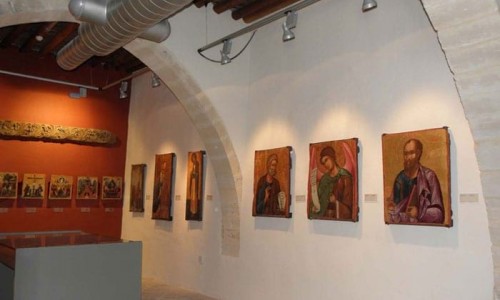
Inside the church, visitors can admire religious paintings, icons and decorative details that reveal the artistic traditions of earlier periods. The wall paintings are among the most valuable features of the monument, offering a glimpse into the development of religious art in Cyprus. These paintings depict sacred figures and scenes from Christian tradition, communicating religious stories to generations of worshippers. Despite the effects of time, restoration and historical changes, the surviving artwork continues to convey a strong sense of devotion and cultural importance.
The iconostasis, icons and other religious objects within the church contribute to its solemn and peaceful character. Soft natural light enters the building and creates a quiet, reflective environment. The scent of incense, the glow of candles and the silence of the old stone interior invite visitors to slow down and appreciate the spiritual meaning of the site. Even for those who visit mainly because of an interest in history or architecture, the monastery offers a powerful sense of connection with the past.
The history of Panagia tis Amasgou reflects the wider history of Cyprus, an island that experienced periods of prosperity, foreign rule, conflict and social change. Religious buildings often survived through these difficult periods because local communities continued to care for them. Monasteries and churches became places where traditions, stories and cultural identity were preserved. Panagia tis Amasgou remains an important example of this continuity, showing how faith and community dedication helped protect Cyprus’s heritage.
The monastery complex once played a broader role in the surrounding area. Monastic communities traditionally cultivated the nearby land, producing agricultural goods and supporting themselves through farming. The fertile landscape around Monagri, known for vineyards and traditional agriculture, would have provided the monastery with grapes, olives, cereals and other essential products. This connection between religious life and the land remains visible today, as the monastery is still surrounded by the peaceful countryside that shaped the daily lives of the people who once lived and worked there.
The natural setting is one of the most memorable aspects of a visit to Panagia tis Amasgou. The road towards the monastery passes through a landscape of vineyards, fields and gentle hills. During spring, the countryside becomes green and colourful, with wildflowers covering parts of the surrounding area. In summer, the dry golden landscape creates a warm Mediterranean atmosphere, while autumn brings the grape harvest and changing colours to the vineyards. Every season gives the monastery and its surroundings a different character.
The quiet location makes Panagia tis Amasgou an ideal place for contemplation. Away from the noise of towns and busy tourist attractions, visitors can enjoy the simplicity of the Cypriot countryside. The sound of birds, the movement of the wind through the trees and the peaceful view across the landscape enhance the spiritual atmosphere. Many visitors experience the monastery not only as a historic monument but also as a place where they can relax, reflect and reconnect with nature.
The nearby village of Monagri adds another layer to the experience. Monagri is a small and picturesque village that has preserved much of its traditional character. Stone houses, narrow streets, old churches and rural surroundings reflect the authentic lifestyle of the Limassol countryside. The village has historically been connected with vine cultivation and wine production, activities that shaped the economy and identity of the region. A visit to the monastery can therefore be combined with a walk through Monagri, allowing visitors to experience both the religious and cultural heritage of the area.
Panagia tis Amasgou is also important because it represents the often-overlooked cultural treasures found outside the major cities and popular coastal resorts of Cyprus. While many visitors are familiar with the island’s beaches and archaeological sites, its rural churches and monasteries reveal another side of Cypriot history. These monuments preserve architecture, religious art and traditions that developed over hundreds of years. They also demonstrate the importance of small communities in protecting the cultural identity of the island.
The conservation of the monastery is essential for future generations. Historic religious buildings require continuous care because their stone structures, wooden elements and wall paintings can be affected by moisture, weather conditions and the natural ageing process. Restoration work must be carried out carefully so that the original character of the monument is protected. By preserving Panagia tis Amasgou, Cyprus safeguards not only a building but also the stories, beliefs and artistic achievements connected with it.
Religious celebrations at the monastery continue to bring life to the historic site. On important feast days, the peaceful surroundings may be filled with worshippers from Monagri and neighbouring communities. Families attend church services, light candles and participate in traditions that have been passed down through generations. These gatherings demonstrate that the monastery is not simply an abandoned monument from the past but a living place of faith that continues to hold meaning for local people.
For photographers and travellers interested in traditional Cyprus, Panagia tis Amasgou offers many beautiful scenes. The stone church, red-tiled roofs, surrounding trees and open countryside create an attractive and timeless setting. Early morning and late afternoon are particularly atmospheric, when the softer sunlight highlights the textures of the stone and the colours of the landscape. However, visitors should always remember that the monastery is a sacred place and should behave respectfully, especially during religious services.
A visit to Panagia tis Amasgou offers a meaningful journey into the heart of rural Cyprus. It combines spirituality, art, architecture, history and natural beauty within one peaceful location. The monastery tells the story of communities that remained connected to their faith and traditions despite the passage of time and the many changes experienced by the island.
Panagia tis Amasgou remains a treasured landmark of Monagri and the wider Limassol countryside. Its historic church, religious paintings and tranquil surroundings make it a place of great cultural and spiritual value. Whether visited as part of a pilgrimage, a cultural journey or a peaceful countryside excursion, the monastery leaves a lasting impression. It stands as a quiet reminder of Cyprus’s rich Orthodox heritage and of the devotion of the generations who protected and respected this sacred place.
Near Monastery of Panagia tis Amasgou
Other places within a short drive, closest first.