
Faneromeni Square is one of the most historic, meaningful, and atmospheric places in Nicosia, the capital of Cyprus. Located inside the old walled city, it is a square where the past and present meet in a natural and powerful way. It is not simply an open public space; it is a landmark connected with religion, education, architecture, memory, and everyday life. For many visitors, Faneromeni Square offers one of the clearest impressions of old Nicosia, a city shaped by centuries of history, cultural influences, and human stories.
The square takes its name from the Church of Panagia Faneromeni, one of the most important Orthodox churches in Nicosia. The word “Faneromeni” is connected with the idea of something being revealed or made visible, giving the church and the surrounding square a name filled with spiritual meaning. Standing at the heart of the square, the church is the main architectural and symbolic feature of the area. Its presence gives Faneromeni Square a sense of dignity, calm, and continuity.
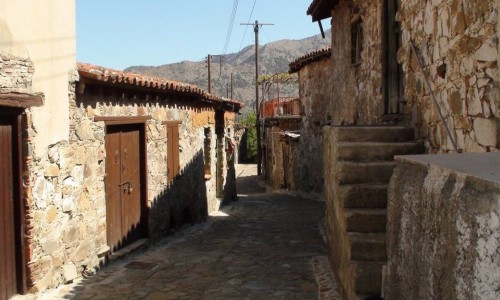
Unlike some modern urban areas that have been completely transformed by new development, Faneromeni Square still preserves the character of the old city. The surrounding streets, buildings, and courtyards reveal the traditional urban fabric of Nicosia. Narrow lanes lead away from the square in different directions, inviting people to explore the historic centre on foot. Old stone buildings, traditional façades, wooden balconies, and shaded corners create an atmosphere that feels authentic and deeply connected to the city’s identity.
The Church of Faneromeni is one of the most important monuments in the square. Its impressive architecture, religious icons, and peaceful interior make it a place of worship, reflection, and cultural interest. For generations, it has been a spiritual centre for the local community. People have gathered there for liturgies, weddings, baptisms, funerals, religious festivals, and personal prayer. In this way, the church is not only a historic building but also a living part of Nicosia’s social and religious life.
Faneromeni Square is also strongly connected with education. The Faneromeni School, located near the church, has played an important role in the cultural and intellectual life of the city. For many years, schools such as this were more than places of learning; they were centres of identity, language, tradition, and community. The presence of the school adds another layer of meaning to the square, reminding visitors that Faneromeni has been a place not only of worship but also of knowledge and social development.
The square has long functioned as a public meeting point. In Mediterranean cities, squares are often central to daily life. They are places where people meet friends, exchange news, attend events, rest during a walk, or simply observe the movement of the city. Faneromeni Square has served this role for many years. It has welcomed residents, students, worshippers, shopkeepers, travellers, artists, and visitors. Each group has added something to the character of the square.
One of the most attractive features of Faneromeni Square is its atmosphere. It has a slower rhythm than the busy commercial streets nearby. Even though it is located in the centre of the capital, it can feel calm and reflective. The presence of the church, the historic buildings, and the open space creates a sense of balance. It is a place where one can pause, look around, and feel the history of Nicosia without needing to enter a museum.
The area around Faneromeni Square is also important because it reflects the layered history of Nicosia. The old city has passed through different historical periods, and each has left its mark on the urban landscape. Byzantine, Lusignan, Venetian, Ottoman, British colonial, and modern influences can all be sensed in different parts of the city. Faneromeni Square belongs to this wider historical environment. Its buildings and streets are reminders that Nicosia has always been a meeting point of cultures, traditions, and architectural styles.
Walking around the square allows visitors to appreciate the small details that give old Nicosia its charm. The texture of weathered walls, the shape of windows and doorways, the sound of church bells, the shade created by trees and buildings, and the quiet corners around the square all contribute to the experience. These details may seem simple, but together they create a powerful sense of place. Faneromeni Square is not only important because of its monuments, but also because of the everyday beauty found around them.
Today, Faneromeni Square continues to be a lively and relevant part of the city. It attracts people who are interested in history, architecture, religion, photography, urban exploration, and local culture. It is also popular among younger people who enjoy the cafés and cultural atmosphere of the old town. This mix of generations gives the square a special energy. Elderly residents, families, students, artists, and tourists may all pass through the same space during the day, each experiencing it in a different way.
The cafés and small businesses around the wider area have helped bring renewed life to the old city. They allow people to spend more time in the historic centre rather than simply passing through it. Sitting near Faneromeni Square for a coffee or a quiet break gives visitors the chance to observe Nicosia’s daily rhythm. The square becomes not only a sightseeing location but also a place to experience local life.
Faneromeni Square is also meaningful because it represents continuity. Nicosia has changed greatly over time, but places like Faneromeni help preserve the memory of the city. They remind people of where the capital came from and how its communities developed. The square has witnessed political changes, social changes, urban development, and the transformation of daily life. Yet it remains recognisable as a place of gathering and identity.
Its location within the Venetian walls of Nicosia makes it part of one of the most historically rich areas in Cyprus. The old city is enclosed by impressive fortifications, and within those walls are churches, mosques, museums, workshops, markets, traditional houses, and narrow streets full of character. Faneromeni Square is one of the key points in this urban landscape. From here, visitors can continue exploring other important parts of the old town, making the square an ideal stop during a walking tour of Nicosia.
For travellers, Faneromeni Square offers a different experience from the coastal image often associated with Cyprus. While many people think of beaches, resorts, and seaside towns, Faneromeni reveals the inland, historical, and cultural side of the island. It shows that Cyprus is also a place of old cities, spiritual heritage, educational traditions, and urban memory. Visiting Faneromeni Square helps people understand Cyprus beyond its natural beauty.
The square is especially interesting for those who enjoy photography. Its combination of church architecture, old buildings, street life, and changing light makes it visually rich. In the morning, the square may feel peaceful and soft; during the day, it becomes more active; and in the evening, the historic surroundings take on a different mood. Every visit can feel slightly different depending on the time, weather, and movement of people.
Another reason Faneromeni Square stands out is its connection to the identity of Nicosia as the last divided capital in Europe. While the square itself is a place of calm and local continuity, it exists within a city marked by complex history and division. This gives the old town a particular emotional depth. Walking through central Nicosia, visitors can sense both the beauty of its heritage and the weight of its modern history. Faneromeni Square forms part of this wider story.
Despite its historical importance, Faneromeni Square is not a place that feels distant or untouchable. It remains part of everyday life. People walk through it on their way to work, school, church, cafés, shops, or cultural venues. This living quality is what makes the square so valuable. It has not become only a monument; it continues to serve the city and its people.
The square also reflects the importance of public spaces in preserving community life. In a time when many cities are dominated by traffic, shopping centres, and private developments, historic squares such as Faneromeni remind us of the value of open, shared spaces. They give people a place to meet, rest, communicate, and feel connected to their surroundings. Faneromeni Square is a reminder that cities are not only built from roads and buildings, but also from memories, relationships, and shared experiences.
For local residents, Faneromeni Square may carry personal memories. Some may remember school days, church ceremonies, family walks, meetings with friends, or moments of quiet reflection. For visitors, the square offers discovery. It allows them to enter the rhythm of old Nicosia and understand something of the city’s character. This combination of personal memory and visitor experience makes Faneromeni Square special.
The importance of Faneromeni Square also lies in its ability to connect different themes. It is religious because of the church, educational because of the school, architectural because of its historic surroundings, social because of its role as a meeting point, and cultural because of its place within the old city. Few urban spaces can bring together so many aspects of a city’s identity in such a compact area.
A walk through Faneromeni Square can also inspire reflection on the relationship between history and modern life. The square shows that heritage does not need to be separated from daily activity. People can drink coffee, attend school, visit church, take photographs, and meet friends in a place that has deep historical roots. This balance between preservation and everyday use is one of the reasons the square remains relevant.
Faneromeni Square is not necessarily grand in the way some famous European squares are grand. Its beauty is more intimate. It does not overwhelm visitors with size or monumentality. Instead, it invites them to look carefully, to notice details, and to appreciate the quiet strength of a place that has remained meaningful over time. This subtle character is part of its charm.
For anyone exploring Nicosia, Faneromeni Square should be seen not as a quick stop, but as a place to experience slowly. Visitors can admire the church, walk around the surrounding streets, observe the architecture, sit for a while, and continue into the old city. The square rewards those who take time to notice its atmosphere.
In many ways, Faneromeni Square tells the story of Nicosia itself. It speaks of faith, learning, community, resilience, and change. It shows how a city can preserve its identity while adapting to new generations. It reminds us that historic places are not only important because of what happened there in the past, but also because of how they continue to shape the present.
Faneromeni Square remains one of the treasured corners of Nicosia. It is a place where the city’s soul can still be felt clearly. Whether visited for its church, its architecture, its cultural value, or simply its peaceful atmosphere, the square leaves a lasting impression. It stands as a symbol of old Nicosia: historic, human, layered, and alive.
Near Faneromeni Square , Nicosia
Other places within a short drive, closest first.