
The Kalavasos Railway is one of the more unusual and intriguing pieces of industrial heritage in Cyprus, offering a glimpse into a period when rail transport played an important role in the movement of minerals, goods and workers across parts of the island. Today, the remains associated with the old railway are quiet and atmospheric, but they once formed part of a much busier industrial landscape connected with the mining activity around Kalavasos and the surrounding region. The railway served a practical purpose, helping transport material from the mines toward processing or loading points, and it became closely linked with the growth of the area’s industrial activity. Although the line is no longer in use, the surviving traces of the railway still give visitors a sense of how dramatically the landscape once changed during the years when mining and transport were at their most active. Kalavasos itself has a strong connection with Cyprus’s mining history, and the railway forms an important part of that story because it reflects the way industry, technology and local labour came together in one area. What now appears peaceful and rural would once have been filled with movement, machinery, wagons, workers and the constant activity needed to keep the mining operation functioning efficiently.
The railway was created primarily as an industrial line rather than a passenger service, and this is one of the most important things to understand about its character. Its role was not to connect towns for everyday travel but to move heavy loads associated with the mines. The surrounding hills contained important mineral deposits, and extracting them was only one stage of the process. Once the material had been brought out of the ground, it had to be transported in large quantities, and rail provided a practical solution at a time when road transport was far less developed than it is today. The line therefore became part of a larger industrial network, linking mining areas with other points where ore could be processed, stored or transferred for onward transport. This made the railway essential to the success of the local mining operation. Without reliable transport, even productive mines would have struggled to function efficiently, and the railway allowed heavy material to be moved more regularly and in much greater quantities than would have been possible using carts or smaller vehicles.
Constructing and maintaining a railway through a semi-mountainous landscape was not simple. Engineers had to work carefully with the natural terrain, finding routes that could accommodate gradients while remaining safe for trains carrying heavy loads. Embankments, cuttings, bridges and other structural features were often necessary to make the line practical, and these engineering solutions are part of what makes the railway so interesting today. Even where much of the original infrastructure has disappeared, the shape of the old route can still reveal how the railway once crossed the landscape. A cutting through a hillside, a raised section of ground or an old bridge can help visitors imagine the trains moving through the area and understand the scale of effort involved in building an industrial transport system before modern machinery and road networks were available. The railway therefore tells not only the story of mining but also the story of engineering and adaptation, showing how people reshaped the landscape to meet the demands of industry.
For the people who worked in and around Kalavasos, the railway would have been part of everyday life. Mining brought a very different kind of work to an area that had long been connected with agriculture and traditional village life. Workers had to adapt to machinery, organised shifts, technical systems and industrial routines that were very different from older rural patterns. The railway supported a wide range of jobs beyond the mines themselves, including drivers, mechanics, labourers, maintenance workers and people responsible for loading and unloading material. This meant that the line was not simply a piece of infrastructure but part of a broader working community. Families in the area may have depended directly or indirectly on the income generated by mining and railway activity, and the line would have become a familiar feature of the local environment. The sound of locomotives, metal wheels, machinery and workers would once have been part of the daily atmosphere, making the contrast with the quiet landscape of today especially striking.
One of the most fascinating aspects of the Kalavasos Railway is the way it reveals a side of Cyprus that is often overshadowed by the island’s better-known ancient, medieval and religious heritage. Cyprus is widely associated with archaeological sites, castles, churches, monasteries and traditional villages, but its industrial past is equally important for understanding how the island developed during more recent periods. Mining, railways and other forms of infrastructure changed communities, created employment and introduced new technologies. The Kalavasos Railway therefore represents a chapter of history that is more modern but no less significant. It shows how Cyprus became connected with wider economic networks and how natural resources from the island could be transported and traded beyond the immediate area. A small industrial railway in a rural setting may appear local, but it was part of a much larger system of extraction, transport and commerce.
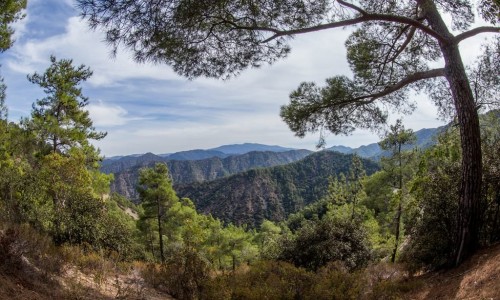
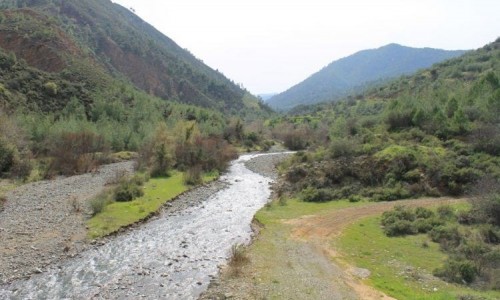
Today, the remains of the railway have a completely different atmosphere from the period when it was active. Nature has reclaimed much of the old industrial landscape, and vegetation now grows around structures that once formed part of a busy transport network. This contrast between industry and nature gives the site a distinctive character. Rusted metal, weathered stone, old tracks, bridges or sections of railway route can look striking against the surrounding countryside, creating a strong sense of abandonment and memory. The silence of the area can make the industrial past feel even more dramatic, because visitors are invited to imagine the noise and movement that once filled the same place. Where locomotives and wagons once travelled, there may now be little more than wind, birds and vegetation. This transformation gives the railway a powerful emotional quality and makes it especially interesting for people who enjoy forgotten places, industrial archaeology and landscapes where history is still visible.
The railway is also valuable because it helps visitors understand how much a landscape can change over time. What may now look like peaceful countryside was once organised around work, transport and extraction. Railway routes, mining areas and industrial structures were built according to practical needs, and the land was reshaped to support them. When mining activity declined and transport methods changed, much of this infrastructure became unnecessary, and the landscape slowly began to transform again. Roads improved, trucks became more efficient and industrial railways gradually lost their importance. The Kalavasos Railway therefore represents not only the growth of industrial activity but also its decline and replacement by newer technologies. This cycle of construction, use, abandonment and gradual return to nature is one of the most interesting stories preserved by industrial heritage sites.
Old railway routes can be particularly rewarding to explore because they encourage people to read the landscape differently. A modern road usually follows present-day needs, while an old industrial railway follows the logic of an earlier economy. Its route may lead toward former mines, loading areas or other places that no longer have an obvious purpose. Following sections of the old line can therefore feel like tracing a map of the past. Small details begin to make more sense once their function is understood. A bridge becomes evidence of a former rail crossing, a cutting reveals where engineers removed part of a hillside, and a raised embankment shows how the line was kept level across uneven terrain. This turns a simple countryside walk into a historical exploration and allows visitors to reconstruct the old railway mentally even where the tracks themselves have disappeared.
The surviving remains also have strong educational value. They provide a physical way to explain how mining operated, how heavy material was transported and how technology changed working life in Cyprus. Younger generations may find it difficult to imagine a time when industrial railway lines were essential to local economies, especially now that trucks and modern roads dominate transport. Seeing the remains of a real railway makes that history much easier to understand. It also opens the door to discussions about labour, engineering, industrial development and the changing relationship between communities and technology. In this sense, the Kalavasos Railway is more than a historical curiosity. It is an outdoor classroom where the story of modern Cypriot development can be explored through the landscape itself.
Industrial heritage also has a strong human dimension, and the Kalavasos Railway should be understood in this way. It is easy to focus on locomotives, tracks and engineering, but the most important part of the story is ultimately the people who worked within the system. Drivers had to operate trains safely, mechanics maintained the machinery, workers loaded and unloaded material, and miners depended on the railway to move what they extracted. The system required cooperation, discipline and experience. Heavy mineral loads had to be transported reliably, and any failure in the railway could affect the entire industrial operation. The remains therefore represent the labour of many people whose daily work helped shape the economy and community of Kalavasos.
For local families, these industrial memories may still have personal meaning. Stories about relatives who worked in the mines or on the railway can become part of family history, connecting present generations with the working lives of their parents, grandparents or great-grandparents. Preserving these memories is just as important as preserving physical structures because oral history can reveal details that buildings and tracks cannot. People may remember the sounds of the railway, the routines of workers, the dangers of mining or the changes that industrial activity brought to the village. These personal stories give the railway a human voice and help prevent the site from becoming simply an abandoned piece of machinery.
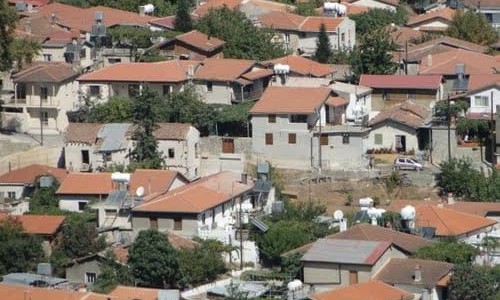
Kalavasos is especially interesting because it brings together several layers of Cypriot history in one place. The village retains its traditional character and rural setting, while the surrounding area also reflects agriculture, mining, engineering and modern development. The railway adds another layer to this identity, showing that Kalavasos was shaped not only by village life but also by industry and technology. This makes the area much more complex and interesting than it might first appear. A visitor can experience traditional architecture, rural scenery and industrial heritage within a relatively small area, gaining a broader understanding of how Cypriot communities evolved over time.
For photographers, the old railway offers a very different visual side of Cyprus. Instead of blue seas, stone churches and mountain villages, the setting may include old bridges, weathered industrial structures, rusted metal and abandoned routes. These elements can create dramatic compositions, especially where nature has begun to reclaim the man-made structures. The contrast between green vegetation and industrial remains can be particularly striking, while the long lines of an old railway route can draw the eye through the landscape. Early morning or late afternoon light can make these scenes especially atmospheric, giving the site a quiet and almost cinematic quality.
The railway can also appeal strongly to people interested in engineering and technology. Even a relatively small industrial line required careful planning, especially when built through uneven terrain. Engineers had to understand gradients, weight, track stability and the practical limitations of locomotives. Looking at the surviving structures can therefore provide insight into how technical problems were solved with the resources available at the time. The railway was built because it offered an efficient solution to a specific industrial challenge, and its existence shows the scale and importance of the mining activity around Kalavasos.
The decline of the railway is equally important to its story. As transport technology changed, trucks became more flexible and roads improved, reducing the need for fixed industrial railway lines. Railways that had once been essential could suddenly become expensive or impractical compared with road transport. This shift happened in many parts of the world and reflects the rapid pace of technological change during the modern period. The Kalavasos Railway is therefore part of a broader historical transition from rail-based industrial transport to road-based logistics. Its abandonment shows how quickly infrastructure can lose its original purpose even after playing a central role for many years.
This transformation gives the railway an additional layer of meaning today. What workers once saw as ordinary equipment and infrastructure is now viewed as heritage. A track, bridge or loading area that was once purely functional can become historically valuable once the industry disappears. This change in perspective is fascinating because it reminds us that heritage is not limited to grand monuments or ancient buildings. Everyday workplaces can eventually become important historical sites because they preserve evidence of how people lived and worked.
The Kalavasos Railway also fits well with growing interest in alternative and rural tourism. Many visitors want to discover places beyond the most famous beaches and archaeological attractions, and industrial heritage offers something very different. Exploring the old railway can be combined with a visit to Kalavasos village, the surrounding countryside and other nearby points of interest. This creates a richer experience because visitors can see both the traditional and industrial sides of the area. Instead of viewing the village only as a picturesque settlement, they can understand the economic forces that helped shape it.
A visit to an old industrial railway can also encourage a slower and more thoughtful style of exploration. There may not be one single monument to photograph and leave immediately. Instead, the interest comes from noticing details, following the route and imagining what once existed. This rewards curiosity and observation. Industrial archaeology can feel almost like detective work because visitors have to interpret fragments of the past. A small foundation may indicate where a structure once stood, while an unusual change in the landscape may reveal the position of the old railway line.
This sense of discovery is one of the strongest reasons the Kalavasos Railway remains fascinating. The site does not necessarily reveal its history immediately. It invites visitors to look carefully and understand the relationship between the surviving remains and the surrounding terrain. Once the historical context is known, the landscape begins to change in the imagination. Hills become mining areas, old paths become railway routes and abandoned structures become part of a wider industrial network.
The railway also demonstrates the close relationship between local history and wider economic forces. Although the line operated around Kalavasos, the minerals it helped transport were part of larger systems of trade and industry. This means the village was connected with economic interests far beyond its immediate surroundings. The railway was one physical link between a local mining landscape and wider markets. This connection is an important reminder that rural communities can play significant roles in much larger historical developments.
At the same time, the railway remains deeply local because its greatest impact was felt by the people living and working nearby. It changed employment patterns, introduced new skills and created a different rhythm of life. Industrial work brought opportunities, but it was also demanding and often physically difficult. Remembering the railway should therefore include both the achievements of industrial development and the reality of the labour that supported it.
The surviving railway remains act as a bridge between these different parts of the story. They represent engineering and economic progress, but they also represent human effort. They show how technology changed the landscape, but they also show how communities adapted to new forms of work. This complexity gives the site real historical depth.
Today, the old railway has become part of a much quieter world. The mines are no longer shaping the landscape in the same way, and the trains no longer carry heavy loads through the area. Yet the railway still influences how the history of Kalavasos is understood. Its route and remaining structures continue to mark the landscape, acting as reminders of a period when industry played a much larger role in village life.
This quiet survival makes the Kalavasos Railway especially atmospheric. The contrast between past and present can be felt strongly when standing near old industrial remains surrounded by countryside. It is easy to imagine how different the same place must have sounded and looked when the railway was operating. This imaginative connection is part of what makes abandoned heritage so powerful.
The railway also shows how nature gradually reclaims human structures. Vegetation grows around stonework, paths soften and metal rusts. Over time, the boundary between industrial landscape and natural landscape becomes less clear. This gradual process creates an unusual kind of beauty and makes the site visually distinctive. It also reminds visitors that no infrastructure is completely permanent.
Preserving awareness of the railway is therefore important. Industrial remains can easily disappear if they are not recognised as historically valuable. Unlike famous monuments, they may not immediately look significant, and this can make them vulnerable to neglect or redevelopment. Sharing the history of the Kalavasos Railway helps ensure that people understand why these remains matter and what they represent.
The site can also contribute to a broader appreciation of Cyprus’s transport history. The island did not develop the vast railway networks found in some larger countries, which makes its surviving railway heritage particularly interesting. Industrial lines connected with mining reveal a specialised but important form of rail transport and show how rail technology was adapted to local needs.
For people interested in the history of Cyprus, the railway adds an important modern chapter to the island’s story. Ancient history naturally attracts a great deal of attention, but modern industrial development also shaped the society people know today. Mines, railways, roads and other infrastructure helped transform communities and create new economic opportunities. The Kalavasos Railway provides a visible reminder of this transition.
Its story is therefore not only about a train line. It is about how people used technology to solve practical problems, how natural resources shaped economic development and how communities changed as industry grew and declined. It is about workers whose daily routines depended on the railway and families whose livelihoods were connected with the mines. It is about a landscape that was transformed by human activity and then slowly reclaimed by nature.
For anyone visiting Kalavasos today, the old railway offers a chance to discover a quieter and less familiar side of Cyprus. It is a place where industrial history meets rural scenery, where traces of technology remain within the countryside and where the past can still be followed through the landscape. The remains may be modest compared with grand archaeological monuments, but their value lies in the story they tell.
The Kalavasos Railway stands as a reminder of a period when mining and rail transport played an important role in this part of the island. It represents the ingenuity of the people who built and operated the system, the effort of the workers who depended on it and the economic changes that shaped the wider community. Although the trains have disappeared and much of the industrial activity has faded into history, the railway continues to preserve the memory of that era.
Walking through the area today, it is possible to experience two landscapes at once: the peaceful countryside of the present and the industrial landscape of the past. The old railway acts as the link between them. It may no longer carry minerals or machinery, but it still carries stories, and those stories make it one of the most intriguing pieces of heritage connected with Kalavasos. Through its surviving traces, the railway keeps alive the memory of an important chapter in Cyprus’s industrial history and offers visitors a deeper appreciation of the people, technology and landscapes that helped shape the island.
Near Kalavasos Railway
Other places within a short drive, closest first.