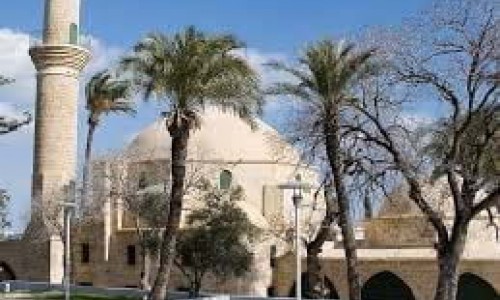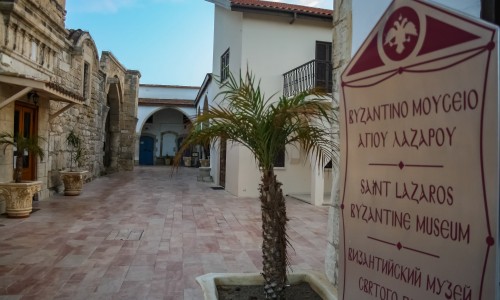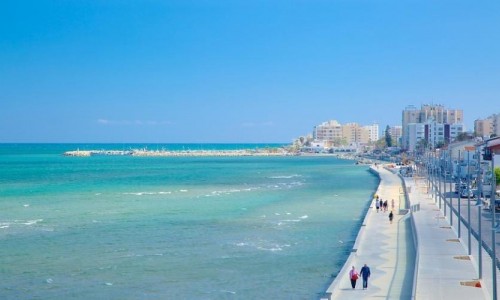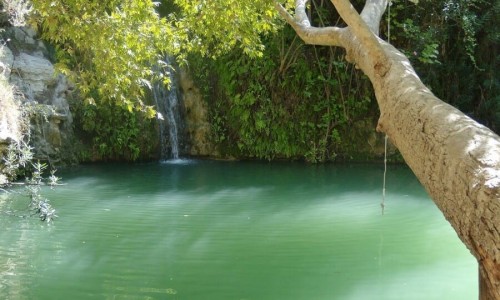

Nestled on a gentle hillside in the Larnaca district of Cyprus, the traditional village of Kato Drys is a place where time seems to slow. Cobblestone lanes, stone-built houses with blue wooden shutters, and the lazy hush of a village afternoon create an atmosphere reminiscent of another era. Known for its cultural richness, traditional craftsmanship, and scenic charm, Kato Drys offers visitors a unique glimpse into Cyprus’s soul — a celebration of history, community, and authenticity.
Origins of the Name
"Kato Drys" translates to "Lower Oak" in Greek — derived from the words kato (lower) and drys (oak tree). The name hints at the lush evergreen oaks that once blanketed the outskirts of the village, marking its place in a landscape now largely sculpted by grapevines and almond orchards.
A Snapshot of History
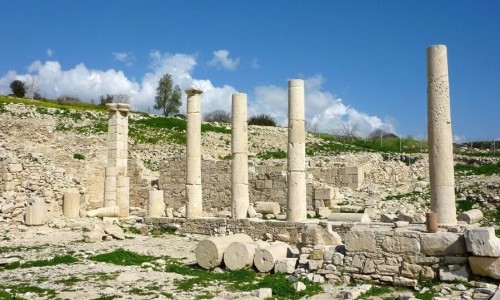
Kato Drys is a village with roots stretching back to ancient times. In medieval records, it appears among the fiefdoms during the Frankish and Venetian periods, and later thrived under Ottoman rule thanks to its fertile lands and serene location.
- Medieval Heritage: The village church of Saint Charalambos, dating to the 14th century, serves as a visual time bridge, showcasing stonework and iconography of bygone eras.
- Byzantine Echoes: The nearby Ayios Minas Monastery preserves rare frescoes and monastic architecture, offering sacred stillness amid rolling hills.
- Crafts & Trade: For generations, Kato Drys was known for its skilled lace-making and silkworm cultivation — traditions that survive today through cultural centers and hands-on workshops.
Village Highlights & Landmarks
1. The Museum of Folk Art
Housed in a beautifully restored residence, this museum serves as a window to Cypriot rural life with displays of traditional tools, costumes, and crafts.
2. Historic Churches
Church of Saint Charalambos: The main village church, with elegant architecture and a serene courtyard.
Chapel of Timios Stavros (Holy Cross): Perched on a vantage point offering sweeping views, often used for festivals and village gatherings.
3. Ayios Minas Monastery
Just outside the village, this Orthodox monastery, still active, is home to beautifully decorated icons, ancient frescoes, and a tranquil courtyard under towering trees.
4. Traditional Houses & Streets
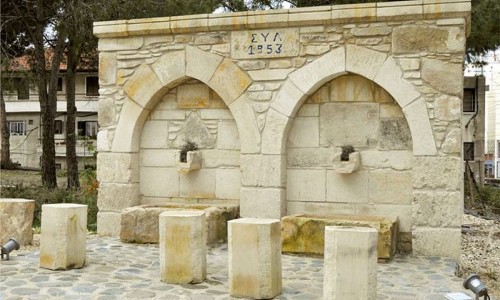
The architecture in Kato Drys retains classic Cyprus village character — whitewashed stone, red-tiled roofs, vine-draped balconies, and winding alleys shaded by mulberry and carob trees.
Heritage and Craft Traditions
Lace-Making (Lefkaritika)
Kato Drys is closely associated with the nearby village of Lefkara, the island’s lace-making capital. For centuries, local women produced intricate embroidery passed down from mother to daughter — lace so delicate and refined it's said that Leonardo da Vinci himself acquired a Lefkara tablecloth for the Milan Cathedral.
Silk Production
Kato Drys was once a hub of sericulture. Mulberry trees, planted for silkworm feeding, still line some roads. Old houses sometimes retain their upper rooms where cocoons were stored and spun into shimmering threads.
Wine & Nature
The vineyards and almond groves surrounding the village are part of the island’s Vouni Panayias-Ambelitis wine region, dotted with boutique wineries and nature paths that bloom with wildflowers in spring.
Visiting Experience
Best Time to Visit
- Spring (March–May): Hillsides explode with wild poppies and blossoms. Perfect for walking tours, photography, and outdoor meals.
- Autumn (September–November): Grape harvests, almond fairs, and inviting weather.
- Summer Evenings: Enjoy breezy nights, al fresco dining, and village festivals.
What to Do
- Walk the alleys: Allow time to wander and get lost among the stone houses and shady courtyards.
- Visit artisans: Support local lace-makers or try your hand at an embroidery workshop.
- Taste the local cuisine: Cafés and tavernas offer omelettes with fresh herbs, halloumi, koupepia (stuffed vine leaves), and homemade almond sweets.
- Join a festival: Seasonal events like wine tasting, Easter celebrations, and the Almond Tree Festival immerse visitors in village tradition.
Nature Trails & Nearby Attractions
Beautiful walking paths wind through olive groves, vineyards, and quiet fields. You can also explore the neighboring villages of Lefkara, Vavla, and Layia to create a full-day adventure in authentic rural Cyprus.
Responsible Tourism Tips
- Support Local: Buy lace, wine, or almonds directly from village families or cooperatives.
- Slow Down: Kato Drys rewards patience — relax into the pace and drink in the atmosphere.
- Respect Sacred Grounds: Churches, courtyards, and cemeteries are active community spaces; dress respectfully.
- Minimize Noise & Waste: Life in these quiet villages is peaceful; leave it as you found it.
A Place for Reflection
Kato Drys is more than a destination — it is a living archive of Cypriot heritage and gentle hospitality. Whether you're seeking old-world charm, rural landscapes, or heartfelt human connection, you'll find them woven here like lace threads into a timeless pattern.
Near Kato Drys Village, Cyprus
Other places within a short drive, closest first.