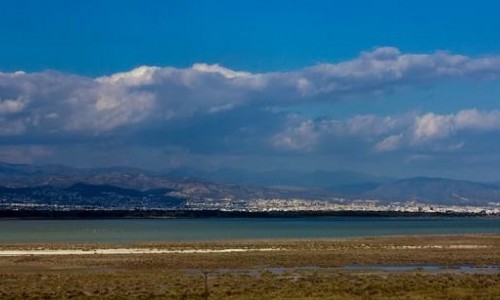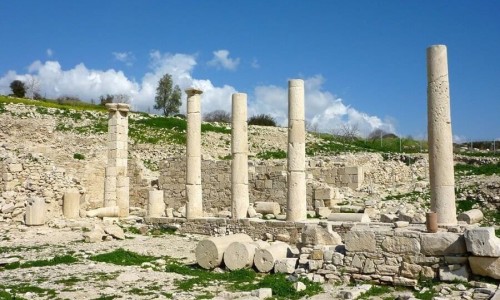

Famagusta, or Ammochostos, is a district on the eastern coast of Cyprus and takes its name from the bay it stands on. Its main town is the successor of ancient Salamis, for centuries the most important kingdom on the island, and the district holds the best known stretch of coastline in Cyprus.
The Famagusta district is one of the 6 districts and it is the second largest on the island, with an extent of 1,985 square kilometres. It borders the Kyrenia, Nicosia and Larnaca districts to the west, while its northern, eastern and southern edges are all coast. Famagusta is then divided into 8 municipalities and 90 communities. The eight municipalities are: Akanthou, Ayia Napa, Deryneia, Famagusta, Lefkoniko, Lysi, Paralimni and Sotira.
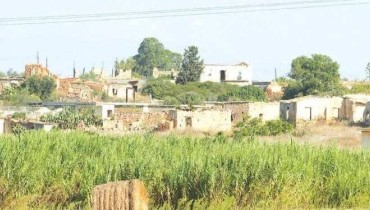
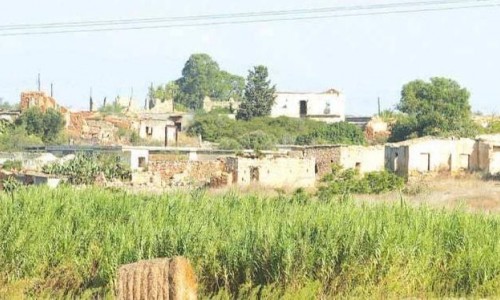
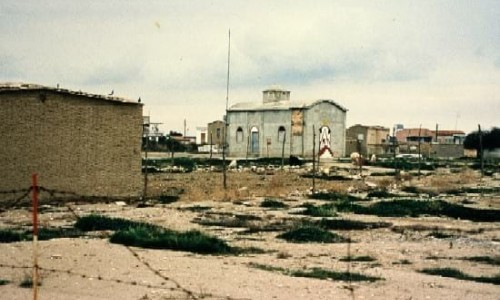
A large part of the district, including the town of Famagusta itself, has been under Turkish occupation since 1974. The free area to the south is known as the Kokkinochoria, the red villages, named after the deep red soil that has made the region the island's potato growing heartland. Its villages sit close together on flat farmland and keep a strong agricultural character alongside the tourism of the coast.
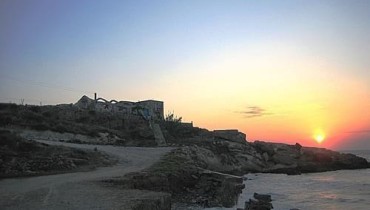
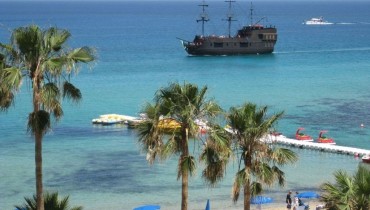
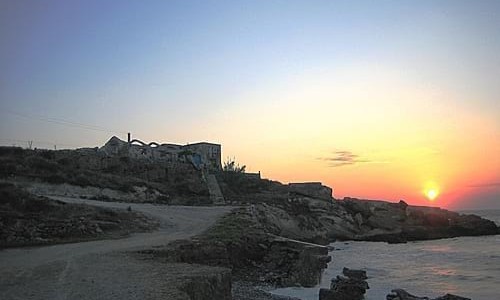
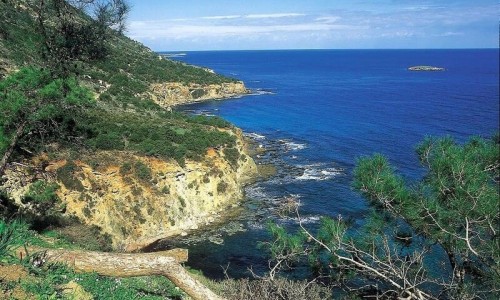
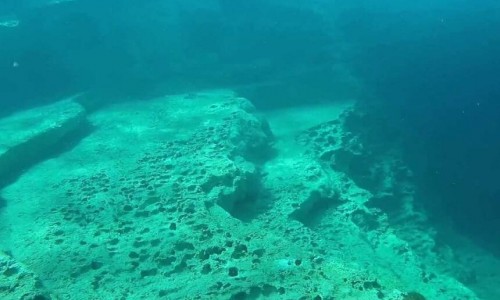
That coast is the centre of Cypriot beach tourism. Ayia Napa and Protaras face a shoreline that includes Nissi Beach and Fig Tree Bay, while the Cape Greco Peninsula at the south eastern tip of the island is a national forest park of sea caves, cliffs and walking trails. To the north east the Karpasia Peninsula reaches out as the least developed corner of Cyprus.
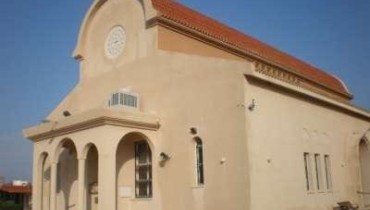
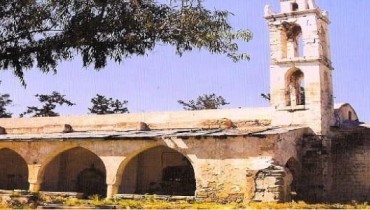
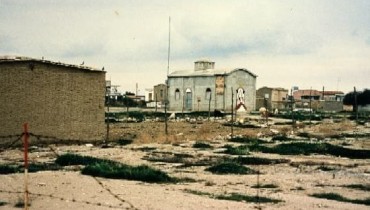
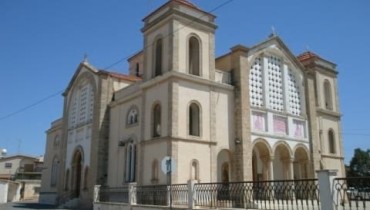
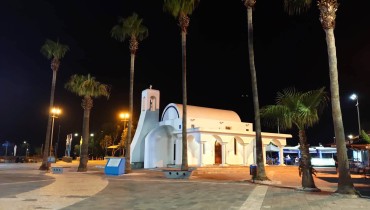
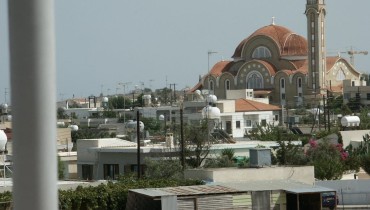
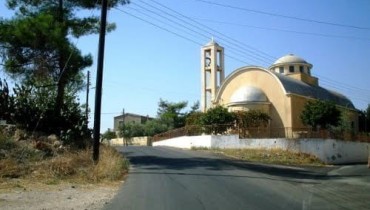
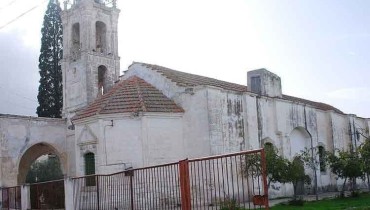
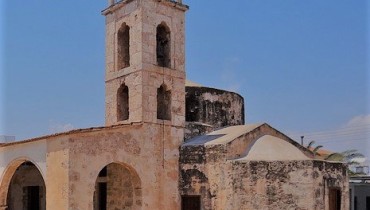
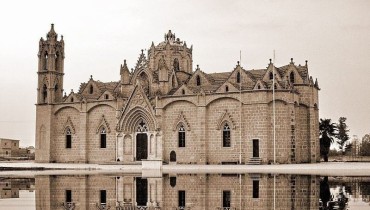
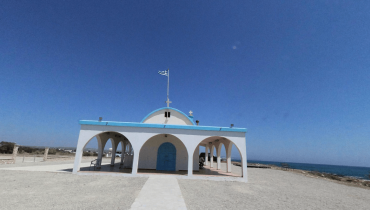
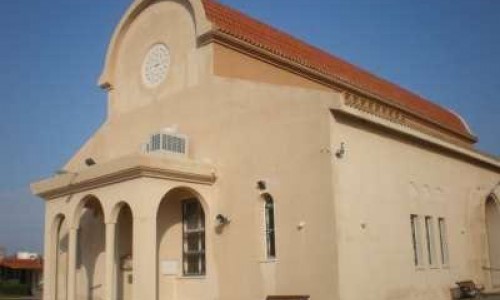
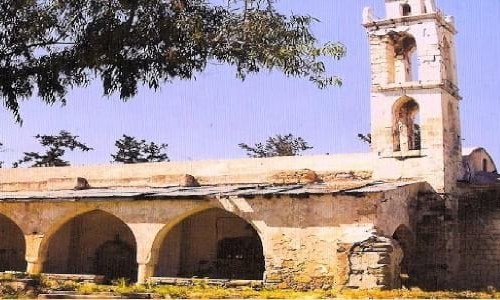
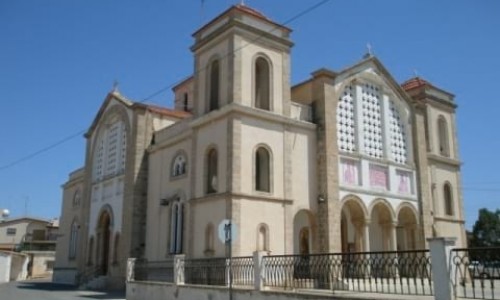
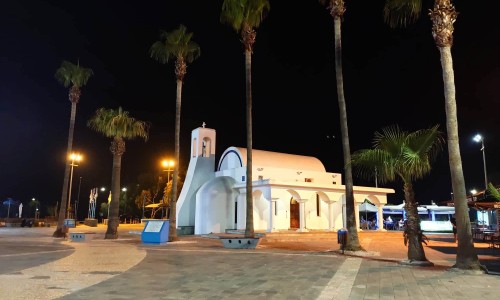
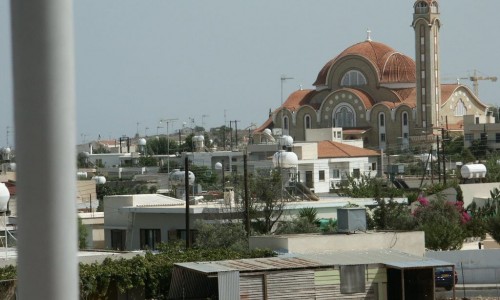
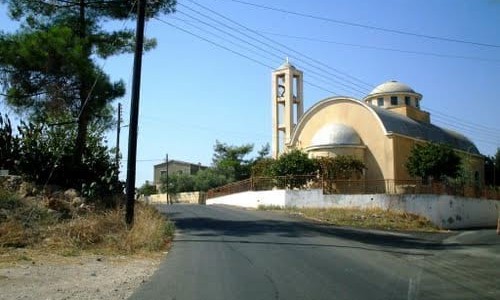
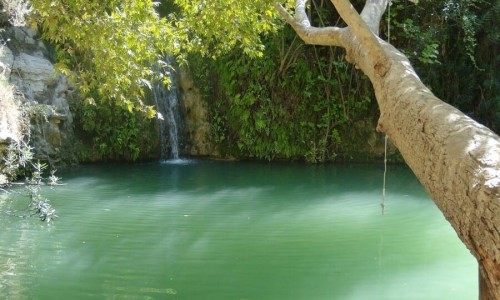
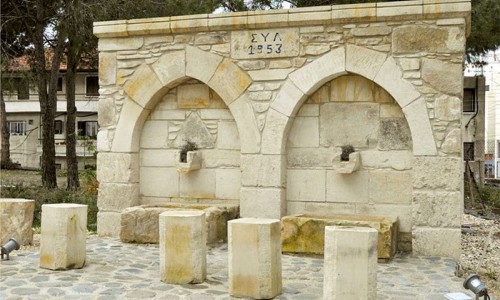
Each of the villages has its own beauty and attraction. There are attractions ranging from churches, chapels and monasteries to museums, culture attractions and nature attractions. The many churches and chapels in all of the villages also show how religious the residents are, and the museums along with other cultural buildings help preserve the culture and the customs that each village has.
Each village has traditional restaurants and shops that can offer you the local cuisine as well as the local products that it produces, and the Cypriot hospitality.
Whether you are interested in the beaches and resorts of the south east coast, the farming villages of the Kokkinochoria or the archaeology and the empty landscapes further north, Famagusta will accommodate all tastes.
To view the list of all the Famagusta Villages refer to the Famagusta Villages List.
| Area | 1,985 km² |
|---|---|
| Municipalities | 8 |
| Communities | 90 |
| Population (Famagusta town) | 42,526 |
| Official website | famagusta.com |
All the villages in Famagusta
15 villages documented in the Famagusta district. 15 of them are plotted on Cyprus in 3D.